Pick the situation that matches you. Every panel is on this page for reading without JavaScript; tabs enhance the layout when available.
Reading the evidence
Reading the evidence — explore this part of the guide.
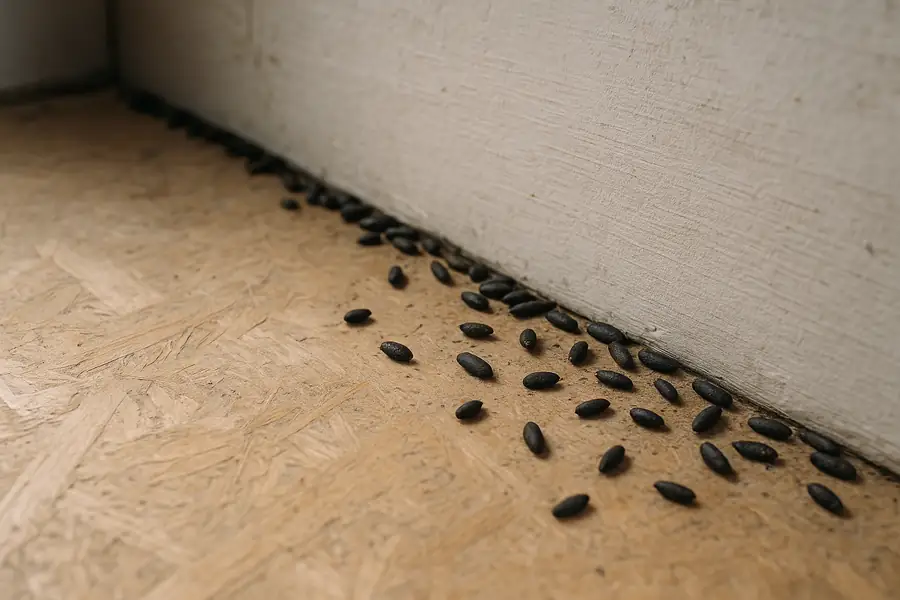
Droppings and smear marks
Droppings and smear marks — what it usually means
Droppings and smear marks is worth considering in the context of pest identification guide because it changes what should be inspected, prioritised or quoted first.
The guide below keeps the explanation practical: what to notice, what can safely wait, and where professional support gives a clearer answer.
Best for
Readers trying to understand whether droppings and smear marks applies to their property.
Signs this applies
Droppings, smells and smear marks; Noises in lofts or wall voids; Damaged packaging or gnawing
Likely causes
The property may need a closer look at the relevant pest control condition, access, materials or usage.
Recommended next step
Read the linked service page, gather property details and use the quote route if the issue matches what you are seeing.
Benefits & checks
Clearer priorities; fewer assumptions; better quote information
Access; urgency; existing condition; safety or moisture concerns
Scratching and movement sounds — what it usually means
Scratching and movement sounds is worth considering in the context of pest identification guide because it changes what should be inspected, prioritised or quoted first.
The guide below keeps the explanation practical: what to notice, what can safely wait, and where professional support gives a clearer answer.
Best for
Readers trying to understand whether scratching and movement sounds applies to their property.
Signs this applies
Droppings, smells and smear marks; Noises in lofts or wall voids; Damaged packaging or gnawing
Likely causes
The property may need a closer look at the relevant pest control condition, access, materials or usage.
Recommended next step
Read the linked service page, gather property details and use the quote route if the issue matches what you are seeing.
Benefits & checks
Clearer priorities; fewer assumptions; better quote information
Access; urgency; existing condition; safety or moisture concerns
Damage to packaging or wood — what it usually means
Damage to packaging or wood is worth considering in the context of pest identification guide because it changes what should be inspected, prioritised or quoted first.
The guide below keeps the explanation practical: what to notice, what can safely wait, and where professional support gives a clearer answer.
Best for
Readers trying to understand whether damage to packaging or wood applies to their property.
Signs this applies
Droppings, smells and smear marks; Noises in lofts or wall voids; Damaged packaging or gnawing
Likely causes
The property may need a closer look at the relevant pest control condition, access, materials or usage.
Recommended next step
Read the linked service page, gather property details and use the quote route if the issue matches what you are seeing.
Benefits & checks
Clearer priorities; fewer assumptions; better quote information
Access; urgency; existing condition; safety or moisture concerns
Insect bites and marks is worth considering in the context of pest identification guide because it changes what should be inspected, prioritised or quoted first.
The guide below keeps the explanation practical: what to notice, what can safely wait, and where professional support gives a clearer answer.
Best for
Readers trying to understand whether insect bites and marks applies to their property.
Signs this applies
Droppings, smells and smear marks; Noises in lofts or wall voids; Damaged packaging or gnawing
Likely causes
The property may need a closer look at the relevant pest control condition, access, materials or usage.
Recommended next step
Read the linked service page, gather property details and use the quote route if the issue matches what you are seeing.
Benefits & checks
Clearer priorities; fewer assumptions; better quote information
Access; urgency; existing condition; safety or moisture concerns
Bird activity and fouling is worth considering in the context of pest identification guide because it changes what should be inspected, prioritised or quoted first.
The guide below keeps the explanation practical: what to notice, what can safely wait, and where professional support gives a clearer answer.
Best for
Readers trying to understand whether bird activity and fouling applies to their property.
Signs this applies
Droppings, smells and smear marks; Noises in lofts or wall voids; Damaged packaging or gnawing
Likely causes
The property may need a closer look at the relevant pest control condition, access, materials or usage.
Recommended next step
Read the linked service page, gather property details and use the quote route if the issue matches what you are seeing.
Benefits & checks
Clearer priorities; fewer assumptions; better quote information
Access; urgency; existing condition; safety or moisture concerns
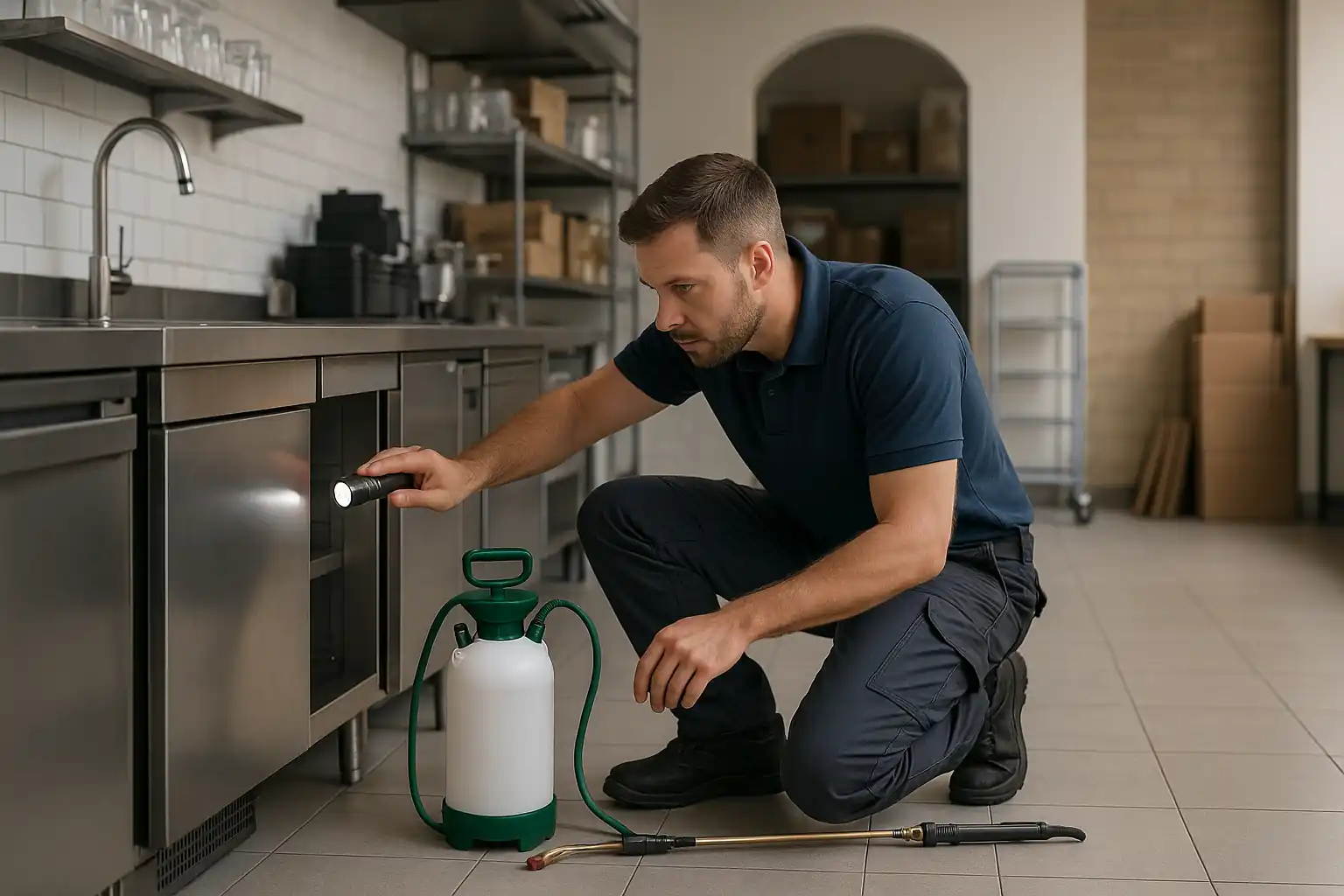
When inspection is sensible — what it usually means
When inspection is sensible is worth considering in the context of pest identification guide because it changes what should be inspected, prioritised or quoted first.
The guide below keeps the explanation practical: what to notice, what can safely wait, and where professional support gives a clearer answer.
Best for
Readers trying to understand whether when inspection is sensible applies to their property.
Signs this applies
Droppings, smells and smear marks; Noises in lofts or wall voids; Damaged packaging or gnawing
Likely causes
The property may need a closer look at the relevant pest control condition, access, materials or usage.
Recommended next step
Read the linked service page, gather property details and use the quote route if the issue matches what you are seeing.
Benefits & checks
Clearer priorities; fewer assumptions; better quote information
Access; urgency; existing condition; safety or moisture concerns
Where signs appear — explore this part of the guide.
Kitchen and food storage
Kitchen and food storage — what it usually means
Kitchen and food storage is worth considering in the context of pest identification guide because it changes what should be inspected, prioritised or quoted first.
The guide below keeps the explanation practical: what to notice, what can safely wait, and where professional support gives a clearer answer.
Best for
Readers trying to understand whether kitchen and food storage applies to their property.
Signs this applies
Droppings, smells and smear marks; Noises in lofts or wall voids; Damaged packaging or gnawing
Likely causes
The property may need a closer look at the relevant pest control condition, access, materials or usage.
Recommended next step
Read the linked service page, gather property details and use the quote route if the issue matches what you are seeing.
Benefits & checks
Clearer priorities; fewer assumptions; better quote information
Access; urgency; existing condition; safety or moisture concerns
Loft and roof voids is worth considering in the context of pest identification guide because it changes what should be inspected, prioritised or quoted first.
The guide below keeps the explanation practical: what to notice, what can safely wait, and where professional support gives a clearer answer.
Best for
Readers trying to understand whether loft and roof voids applies to their property.
Signs this applies
Droppings, smells and smear marks; Noises in lofts or wall voids; Damaged packaging or gnawing
Likely causes
The property may need a closer look at the relevant pest control condition, access, materials or usage.
Recommended next step
Read the linked service page, gather property details and use the quote route if the issue matches what you are seeing.
Benefits & checks
Clearer priorities; fewer assumptions; better quote information
Access; urgency; existing condition; safety or moisture concerns
Under floors and pipe routes — what it usually means
Under floors and pipe routes is worth considering in the context of pest identification guide because it changes what should be inspected, prioritised or quoted first.
The guide below keeps the explanation practical: what to notice, what can safely wait, and where professional support gives a clearer answer.
Best for
Readers trying to understand whether under floors and pipe routes applies to their property.
Signs this applies
Droppings, smells and smear marks; Noises in lofts or wall voids; Damaged packaging or gnawing
Likely causes
The property may need a closer look at the relevant pest control condition, access, materials or usage.
Recommended next step
Read the linked service page, gather property details and use the quote route if the issue matches what you are seeing.
Benefits & checks
Clearer priorities; fewer assumptions; better quote information
Access; urgency; existing condition; safety or moisture concerns
Bedrooms and soft furnishings — what it usually means
Bedrooms and soft furnishings is worth considering in the context of pest identification guide because it changes what should be inspected, prioritised or quoted first.
The guide below keeps the explanation practical: what to notice, what can safely wait, and where professional support gives a clearer answer.
Best for
Readers trying to understand whether bedrooms and soft furnishings applies to their property.
Signs this applies
Droppings, smells and smear marks; Noises in lofts or wall voids; Damaged packaging or gnawing
Likely causes
The property may need a closer look at the relevant pest control condition, access, materials or usage.
Recommended next step
Read the linked service page, gather property details and use the quote route if the issue matches what you are seeing.
Benefits & checks
Clearer priorities; fewer assumptions; better quote information
Access; urgency; existing condition; safety or moisture concerns
External walls and gardens — what it usually means
External walls and gardens is worth considering in the context of pest identification guide because it changes what should be inspected, prioritised or quoted first.
The guide below keeps the explanation practical: what to notice, what can safely wait, and where professional support gives a clearer answer.
Best for
Readers trying to understand whether external walls and gardens applies to their property.
Signs this applies
Droppings, smells and smear marks; Noises in lofts or wall voids; Damaged packaging or gnawing
Likely causes
The property may need a closer look at the relevant pest control condition, access, materials or usage.
Recommended next step
Read the linked service page, gather property details and use the quote route if the issue matches what you are seeing.
Benefits & checks
Clearer priorities; fewer assumptions; better quote information
Access; urgency; existing condition; safety or moisture concerns
Commercial storage areas is worth considering in the context of pest identification guide because it changes what should be inspected, prioritised or quoted first.
The guide below keeps the explanation practical: what to notice, what can safely wait, and where professional support gives a clearer answer.
Best for
Readers trying to understand whether commercial storage areas applies to their property.
Signs this applies
Droppings, smells and smear marks; Noises in lofts or wall voids; Damaged packaging or gnawing
Likely causes
The property may need a closer look at the relevant pest control condition, access, materials or usage.
Recommended next step
Read the linked service page, gather property details and use the quote route if the issue matches what you are seeing.
Benefits & checks
Clearer priorities; fewer assumptions; better quote information
Access; urgency; existing condition; safety or moisture concerns
Common pest groups — explore this part of the guide.
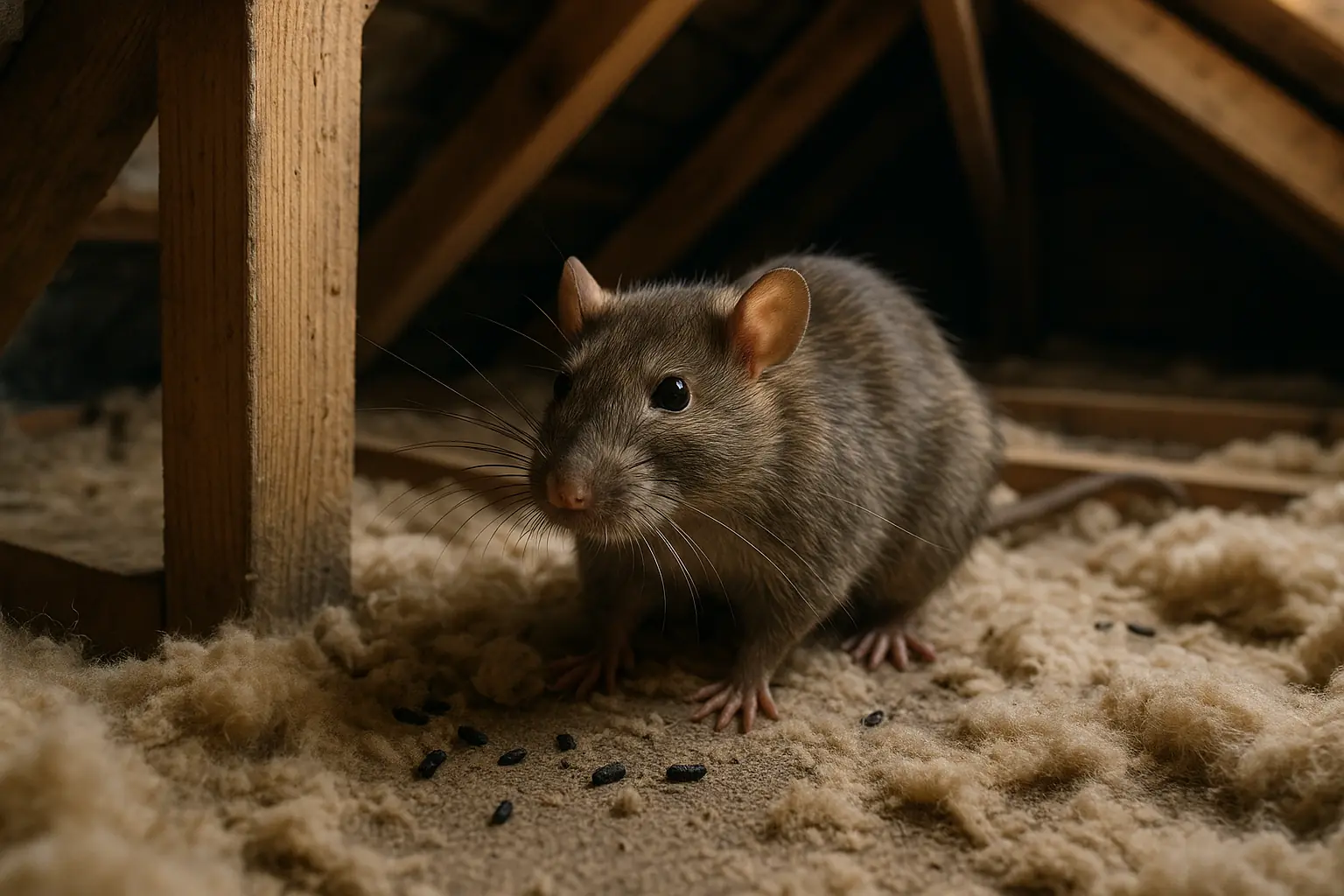
Rats and mice
Rats and mice — what it usually means
Rats and mice is worth considering in the context of pest identification guide because it changes what should be inspected, prioritised or quoted first.
The guide below keeps the explanation practical: what to notice, what can safely wait, and where professional support gives a clearer answer.
Best for
Readers trying to understand whether rats and mice applies to their property.
Signs this applies
Droppings, smells and smear marks; Noises in lofts or wall voids; Damaged packaging or gnawing
Likely causes
The property may need a closer look at the relevant pest control condition, access, materials or usage.
Recommended next step
Read the linked service page, gather property details and use the quote route if the issue matches what you are seeing.
Benefits & checks
Clearer priorities; fewer assumptions; better quote information
Access; urgency; existing condition; safety or moisture concerns
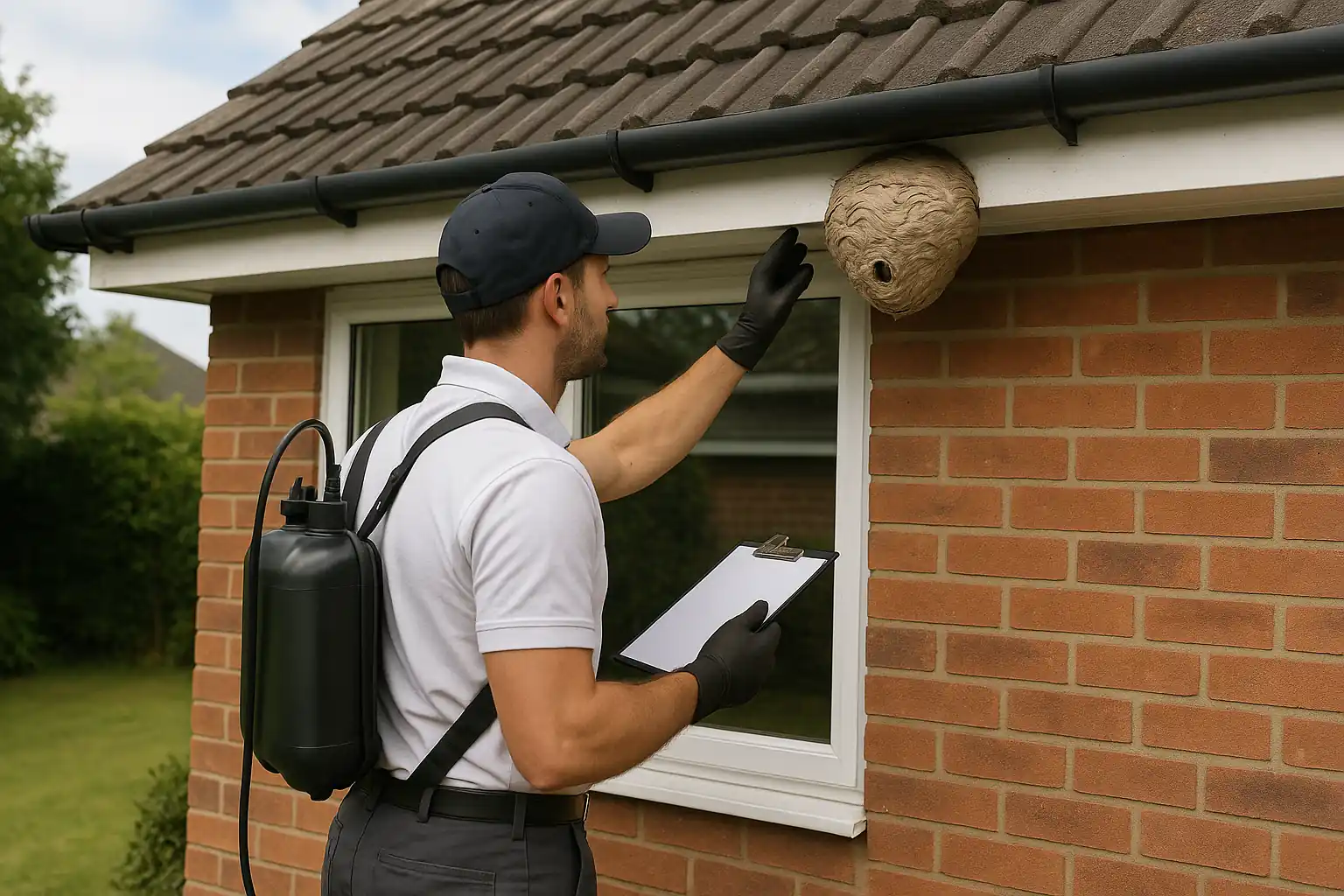
Wasps and ants is worth considering in the context of pest identification guide because it changes what should be inspected, prioritised or quoted first.
The guide below keeps the explanation practical: what to notice, what can safely wait, and where professional support gives a clearer answer.
Best for
Readers trying to understand whether wasps and ants applies to their property.
Signs this applies
Droppings, smells and smear marks; Noises in lofts or wall voids; Damaged packaging or gnawing
Likely causes
The property may need a closer look at the relevant pest control condition, access, materials or usage.
Recommended next step
Read the linked service page, gather property details and use the quote route if the issue matches what you are seeing.
Benefits & checks
Clearer priorities; fewer assumptions; better quote information
Access; urgency; existing condition; safety or moisture concerns
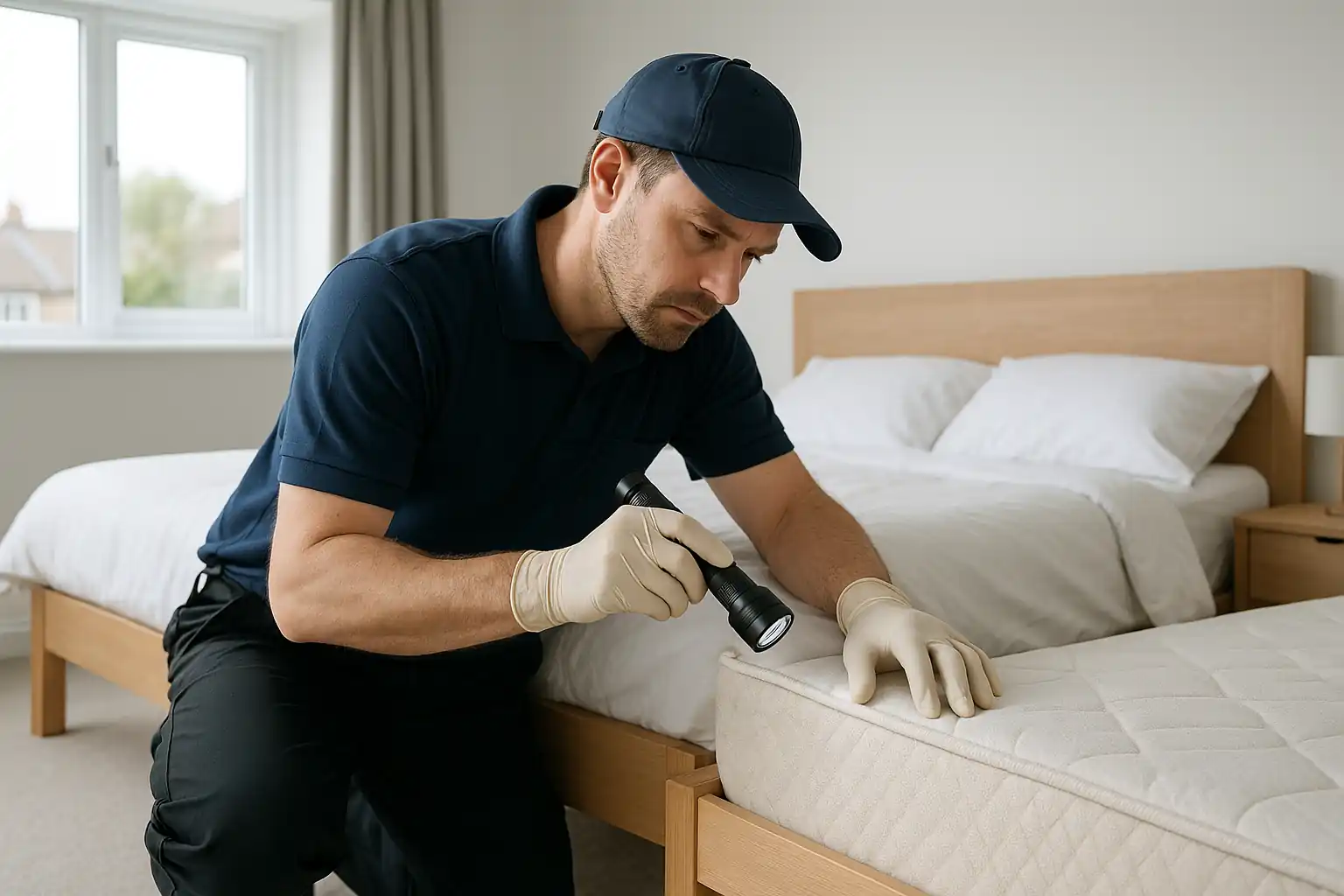
Bed bugs and fleas is worth considering in the context of pest identification guide because it changes what should be inspected, prioritised or quoted first.
The guide below keeps the explanation practical: what to notice, what can safely wait, and where professional support gives a clearer answer.
Best for
Readers trying to understand whether bed bugs and fleas applies to their property.
Signs this applies
Droppings, smells and smear marks; Noises in lofts or wall voids; Damaged packaging or gnawing
Likely causes
The property may need a closer look at the relevant pest control condition, access, materials or usage.
Recommended next step
Read the linked service page, gather property details and use the quote route if the issue matches what you are seeing.
Benefits & checks
Clearer priorities; fewer assumptions; better quote information
Access; urgency; existing condition; safety or moisture concerns
Cockroaches and beetles is worth considering in the context of pest identification guide because it changes what should be inspected, prioritised or quoted first.
The guide below keeps the explanation practical: what to notice, what can safely wait, and where professional support gives a clearer answer.
Best for
Readers trying to understand whether cockroaches and beetles applies to their property.
Signs this applies
Droppings, smells and smear marks; Noises in lofts or wall voids; Damaged packaging or gnawing
Likely causes
The property may need a closer look at the relevant pest control condition, access, materials or usage.
Recommended next step
Read the linked service page, gather property details and use the quote route if the issue matches what you are seeing.
Benefits & checks
Clearer priorities; fewer assumptions; better quote information
Access; urgency; existing condition; safety or moisture concerns
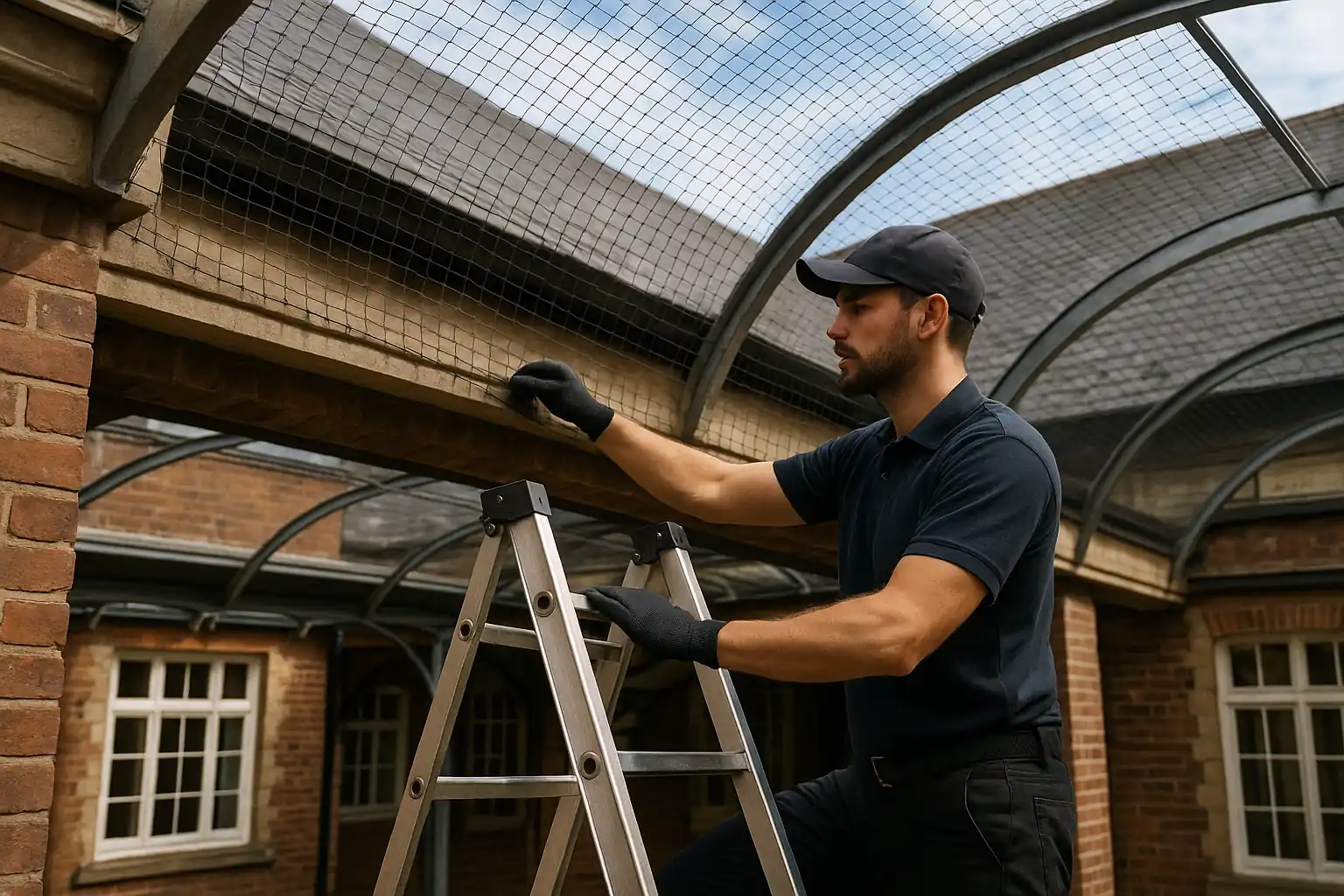
Pigeons and birds is worth considering in the context of pest identification guide because it changes what should be inspected, prioritised or quoted first.
The guide below keeps the explanation practical: what to notice, what can safely wait, and where professional support gives a clearer answer.
Best for
Readers trying to understand whether pigeons and birds applies to their property.
Signs this applies
Droppings, smells and smear marks; Noises in lofts or wall voids; Damaged packaging or gnawing
Likely causes
The property may need a closer look at the relevant pest control condition, access, materials or usage.
Recommended next step
Read the linked service page, gather property details and use the quote route if the issue matches what you are seeing.
Benefits & checks
Clearer priorities; fewer assumptions; better quote information
Access; urgency; existing condition; safety or moisture concerns
Squirrels and wildlife is worth considering in the context of pest identification guide because it changes what should be inspected, prioritised or quoted first.
The guide below keeps the explanation practical: what to notice, what can safely wait, and where professional support gives a clearer answer.
Best for
Readers trying to understand whether squirrels and wildlife applies to their property.
Signs this applies
Droppings, smells and smear marks; Noises in lofts or wall voids; Damaged packaging or gnawing
Likely causes
The property may need a closer look at the relevant pest control condition, access, materials or usage.
Recommended next step
Read the linked service page, gather property details and use the quote route if the issue matches what you are seeing.
Benefits & checks
Clearer priorities; fewer assumptions; better quote information
Access; urgency; existing condition; safety or moisture concerns
From clue to action — explore this part of the guide.
Photograph evidence
Photograph evidence — what it usually means
Photograph evidence is worth considering in the context of pest identification guide because it changes what should be inspected, prioritised or quoted first.
The guide below keeps the explanation practical: what to notice, what can safely wait, and where professional support gives a clearer answer.
Best for
Readers trying to understand whether photograph evidence applies to their property.
Signs this applies
Droppings, smells and smear marks; Noises in lofts or wall voids; Damaged packaging or gnawing
Likely causes
The property may need a closer look at the relevant pest control condition, access, materials or usage.
Recommended next step
Read the linked service page, gather property details and use the quote route if the issue matches what you are seeing.
Benefits & checks
Clearer priorities; fewer assumptions; better quote information
Access; urgency; existing condition; safety or moisture concerns
Avoid disturbing nests is worth considering in the context of pest identification guide because it changes what should be inspected, prioritised or quoted first.
The guide below keeps the explanation practical: what to notice, what can safely wait, and where professional support gives a clearer answer.
Best for
Readers trying to understand whether avoid disturbing nests applies to their property.
Signs this applies
Droppings, smells and smear marks; Noises in lofts or wall voids; Damaged packaging or gnawing
Likely causes
The property may need a closer look at the relevant pest control condition, access, materials or usage.
Recommended next step
Read the linked service page, gather property details and use the quote route if the issue matches what you are seeing.
Benefits & checks
Clearer priorities; fewer assumptions; better quote information
Access; urgency; existing condition; safety or moisture concerns
Book an inspection is worth considering in the context of pest identification guide because it changes what should be inspected, prioritised or quoted first.
The guide below keeps the explanation practical: what to notice, what can safely wait, and where professional support gives a clearer answer.
Best for
Readers trying to understand whether book an inspection applies to their property.
Signs this applies
Droppings, smells and smear marks; Noises in lofts or wall voids; Damaged packaging or gnawing
Likely causes
The property may need a closer look at the relevant pest control condition, access, materials or usage.
Recommended next step
Read the linked service page, gather property details and use the quote route if the issue matches what you are seeing.
Benefits & checks
Clearer priorities; fewer assumptions; better quote information
Access; urgency; existing condition; safety or moisture concerns
Reduce food and access is worth considering in the context of pest identification guide because it changes what should be inspected, prioritised or quoted first.
The guide below keeps the explanation practical: what to notice, what can safely wait, and where professional support gives a clearer answer.
Best for
Readers trying to understand whether reduce food and access applies to their property.
Signs this applies
Droppings, smells and smear marks; Noises in lofts or wall voids; Damaged packaging or gnawing
Likely causes
The property may need a closer look at the relevant pest control condition, access, materials or usage.
Recommended next step
Read the linked service page, gather property details and use the quote route if the issue matches what you are seeing.
Benefits & checks
Clearer priorities; fewer assumptions; better quote information
Access; urgency; existing condition; safety or moisture concerns
Plan proofing is worth considering in the context of pest identification guide because it changes what should be inspected, prioritised or quoted first.
The guide below keeps the explanation practical: what to notice, what can safely wait, and where professional support gives a clearer answer.
Best for
Readers trying to understand whether plan proofing applies to their property.
Signs this applies
Droppings, smells and smear marks; Noises in lofts or wall voids; Damaged packaging or gnawing
Likely causes
The property may need a closer look at the relevant pest control condition, access, materials or usage.
Recommended next step
Read the linked service page, gather property details and use the quote route if the issue matches what you are seeing.
Benefits & checks
Clearer priorities; fewer assumptions; better quote information
Access; urgency; existing condition; safety or moisture concerns
Document repeat activity is worth considering in the context of pest identification guide because it changes what should be inspected, prioritised or quoted first.
The guide below keeps the explanation practical: what to notice, what can safely wait, and where professional support gives a clearer answer.
Best for
Readers trying to understand whether document repeat activity applies to their property.
Signs this applies
Droppings, smells and smear marks; Noises in lofts or wall voids; Damaged packaging or gnawing
Likely causes
The property may need a closer look at the relevant pest control condition, access, materials or usage.
Recommended next step
Read the linked service page, gather property details and use the quote route if the issue matches what you are seeing.
Benefits & checks
Clearer priorities; fewer assumptions; better quote information
Access; urgency; existing condition; safety or moisture concerns
This guide helps the reader read those clues calmly and move from suspicion to a sensible next step.
The guide is written for homeowners, landlords and property managers who want a clear explanation before choosing a service route.
Key takeaways
Short points you can scan before reading the full guide.
Small signs are worth reading early
Pest problems often start quietly: a mark on a skirting board, a sound above the ceiling, a line of droppings behind a unit, or a nest where it should not be.
A guide should narrow the decision
This guide helps the reader read those clues calmly and move from suspicion to a sensible next step.
Inspection gives the quote context
The most accurate advice usually depends on access, condition, urgency and what has already been tried.
The cheapest first step is not always the right one
Where the cause is unclear, a rushed fix can lead to repeat work or missed issues.
Good work protects the property
Pest Control work is strongest when it improves the condition of the property, not just the visible surface.
The next step should feel obvious
A useful guide leaves the reader with a practical action: compare options, request a quote, or ask for support.
Warning signs and common problems
Typical situations where it is sensible to investigate further or seek professional advice.
Droppings, smells and smear marks
Droppings, smells and smear marks can be easy to dismiss at first. In practice, it often gives useful information about timing, access, condition or the type of service that may be needed.
Noises in lofts or wall voids
Noises in lofts or wall voids can be easy to dismiss at first. In practice, it often gives useful information about timing, access, condition or the type of service that may be needed.
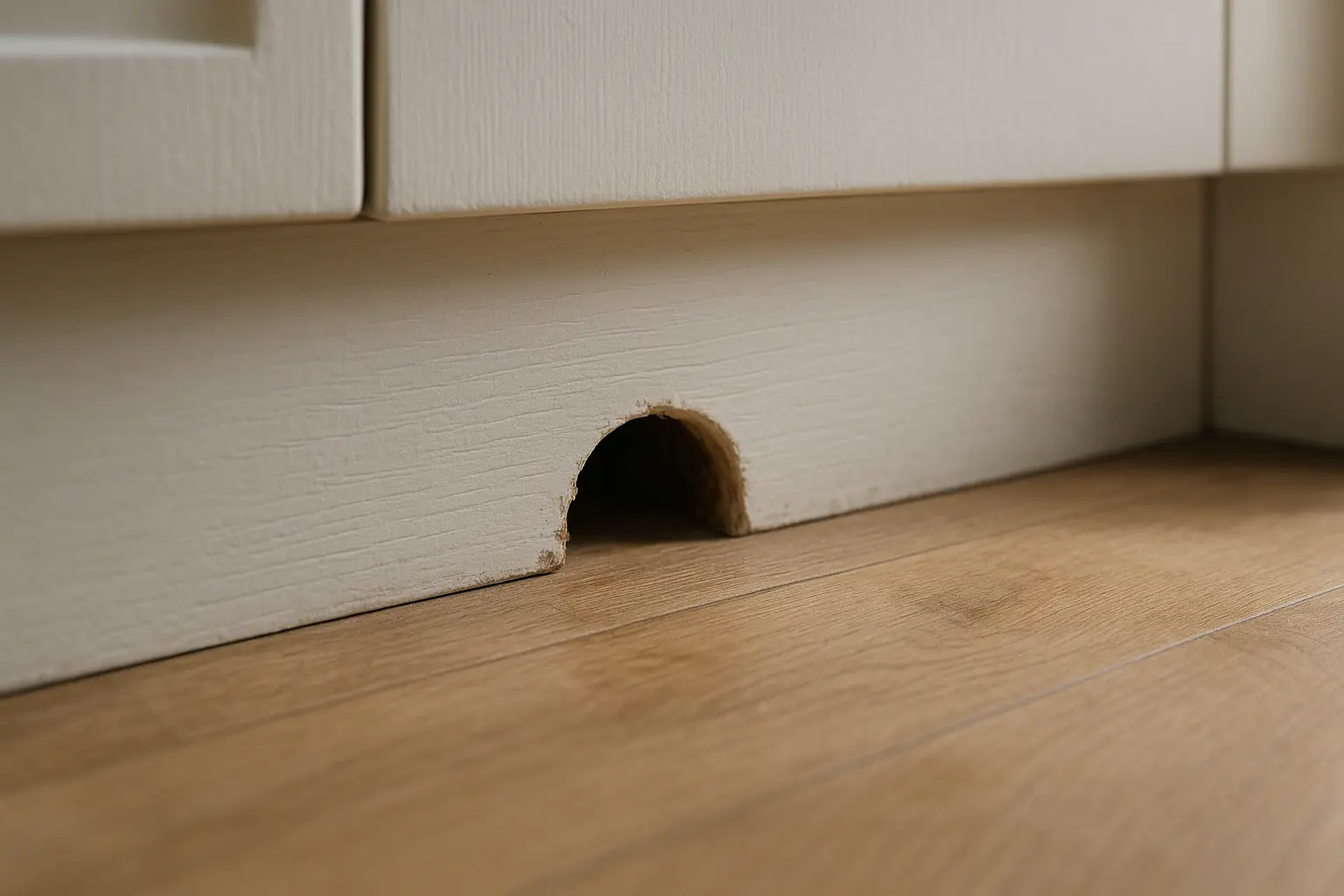
Damaged packaging or gnawing
Damaged packaging or gnawing can be easy to dismiss at first. In practice, it often gives useful information about timing, access, condition or the type of service that may be needed.
Insect activity around beds, kitchens or voids
Insect activity around beds, kitchens or voids can be easy to dismiss at first. In practice, it often gives useful information about timing, access, condition or the type of service that may be needed.
Bird fouling or nesting pressure
Bird fouling or nesting pressure can be easy to dismiss at first. In practice, it often gives useful information about timing, access, condition or the type of service that may be needed.
Repeat sightings after cleaning
Repeat sightings after cleaning can be easy to dismiss at first. In practice, it often gives useful information about timing, access, condition or the type of service that may be needed.
Topic sections
Deeper chapters you can jump to from the links above. Everything here is part of the page HTML.
Early evidence and why it matters
Pest issues are easier to handle when the first signs are read carefully rather than cleaned away without recording.
Where this applies to your property, the related rat control page gives a more specific service route.
This estimate tool could not be loaded. Try another service or contact us for a quote.
Loft insulation options
Select the product that best matches your home.
Not sure? Choose the closest option — we’ll confirm suitability before installation.
Loft floor area (m²)
Is the loft boarded?
How easy is the loft to access?
Roof windows or awkward sections?
Solar, battery, or electrical systems in the loft
No questions could be shown for this step. Use Back to change earlier answers, or contact us for a quote.
*
Fixed plan
Rodent Investigation & Guaranteed Removal Plan
Fixed plan price
For the current infestation, based on the property type selected.
Guaranteed removal*For the current infestation.
Follow-up visits included*We return as needed under the plan.
Full property investigationWe inspect activity, access and likely entry points.
Clear treatment planYou will know what happens next before work proceeds.
*Applies to the current infestation while agreed treatment and recommended proofing steps are followed, reasonable access is available, and the service is used fairly.
LOCAL PROPERTY TEAM
Local technicians you can rely on
Every visit is handled by trained property specialists.
Clear advice, straightforward work, and no surprises.
Fully insured and accountable
Clear pricing before anything is confirmed
Work carried out to a consistent standard
What happens next
Inspection
We confirm activity, access and likely entry points.
Treatment
We treat the current infestation using the agreed plan.
Follow-up
We return as needed while the plan conditions are followed.
Your answers
How the guarantee works
The plan covers the current infestation while agreed treatment steps are followed, reasonable access is available, and the service is used fairly. If proofing or structural closure is needed to prevent re-entry, we will explain this clearly before quoting separately.
What’s included
Full property investigation
Treatment for the current infestation
Entry point advice
Follow-up visits under the plan*
Clear recommendations after inspection
What may be quoted separately
Proofing or permanent exclusion works
Structural closure of entry routes
Repairs outside standard treatment
New or separate infestations
Access work not available during the visit
We’re available in your area
This type of work needs a quick review before we can provide a guide price.
Selected product
Job type
Loft area
Your guide range (ex VAT)
Why this option fits
A strong all-round loft insulation choice
Balanced thermal performance
Good acoustic comfort
Non-combustible material
Durable long-term upgrade
A cost-effective loft upgrade
Good thermal improvement
Fast installation
Strong value option
Suitable for standard loft spaces
A natural premium insulation option
Breathable natural material
Helps manage moisture
Comfort-focused upgrade
Eco-conscious choice
Specialist review for problem insulation
Mortgage and survey concerns
Existing spray foam assessment
Removal pathway advice
Clear next steps before work starts
What happens next
Review your details
We check your answers and guide range for anything that may need a closer look.
Confirm access and condition
If needed, we confirm loft access, boarding, safety, and ventilation before work is agreed.
Agree scope and installation date
You receive a clear scope, confirmed price, and suitable date before work starts.
Handled by a real property team
Clear advice, straightforward next steps, and no surprises.
Included in your review
Loft access and condition check
Insulation depth and coverage review
Ventilation and moisture considerations
Final scope and price confirmation
What can affect the final price
Boarding
Access difficulty
Old insulation removal
Roof windows
Loft electrics
Moisture or ventilation issues
About your selected insulation
Grade A mineral wool / rock wool
Dense mineral-fibre products used in lofts for thermal resistance, noise reduction, and fire performance. We confirm the right specification for your roof and ventilation setup.
Fibreglass loft insulation
A widely used roll or batt solution for loft floors. Suited to straightforward upgrades where depth and coverage can be increased safely.
Sheep’s wool insulation
A natural fibre that can help moisture buffering in the loft. We confirm suitability with ventilation and breathable construction details on site.
Spray foam removal
Spray foam can affect surveys, mortgage lending, and roof ventilation. We review the situation, outline options, and agree next steps before any work is scheduled.
Save, email & visit request
Email my estimate
Save to My quotes
Next: create an account
Request a visit time
Choose a preferred date and time window. We’ll confirm availability before anything is booked.
✔
Booking request received
We’ll review your preferred time and confirm the booking by email.
This is a preferred time request, not a confirmed appointment.
Request a visit time
Choose a preferred date and time window. We’ll confirm availability before anything is booked.
Scheduling
Contact details
House number or name and street address.
We’re available in your area
This type of work needs a quick review before we can provide a guide price.
Estimate ready
Based on the details provided, here is your estimated service plan and next step.
What happens next
Review
We’ll review your details and confirm the best next step.
Visit
If a visit is needed, we’ll agree a suitable time before anything is booked.
Quote / works
We’ll confirm scope, price, and next steps clearly before work proceeds.
Handled by a real property team
Clear advice, straightforward next steps, and no surprises.
Your estimate details
Calculator unavailable
This estimate tool could not be loaded. Try another service or contact us for a quote.
No questions could be shown for this step. Use Back to change earlier answers, or contact us for a quote.
*
Fixed plan
Rodent Investigation & Guaranteed Removal Plan
Fixed plan price
For the current infestation, based on the property type selected.
Guaranteed removal*For the current infestation.
Follow-up visits included*We return as needed under the plan.
Full property investigationWe inspect activity, access and likely entry points.
Clear treatment planYou will know what happens next before work proceeds.
*Applies to the current infestation while agreed treatment and recommended proofing steps are followed, reasonable access is available, and the service is used fairly.
LOCAL PROPERTY TEAM
Local technicians you can rely on
Every visit is handled by trained property specialists.
Clear advice, straightforward work, and no surprises.
Fully insured and accountable
Clear pricing before anything is confirmed
Work carried out to a consistent standard
What happens next
Inspection
We confirm activity, access and likely entry points.
Treatment
We treat the current infestation using the agreed plan.
Follow-up
We return as needed while the plan conditions are followed.
Your answers
How the guarantee works
The plan covers the current infestation while agreed treatment steps are followed, reasonable access is available, and the service is used fairly. If proofing or structural closure is needed to prevent re-entry, we will explain this clearly before quoting separately.
What’s included
Full property investigation
Treatment for the current infestation
Entry point advice
Follow-up visits under the plan*
Clear recommendations after inspection
What may be quoted separately
Proofing or permanent exclusion works
Structural closure of entry routes
Repairs outside standard treatment
New or separate infestations
Access work not available during the visit
We’re available in your area
This type of work needs a quick review before we can provide a guide price.
Estimate ready
Based on the details provided, here is your estimated service plan and next step.
What happens next
Review
We’ll review your details and confirm the best next step.
Visit
If a visit is needed, we’ll agree a suitable time before anything is booked.
Quote / works
We’ll confirm scope, price, and next steps clearly before work proceeds.
Handled by a real property team
Clear advice, straightforward next steps, and no surprises.
Your estimate details
Save, email & visit request
Email my estimate
Save to My quotes
Next: create an account
Request a visit time
Choose a preferred date and time window. We’ll confirm availability before anything is booked.
✔
Booking request received
We’ll review your preferred time and confirm the booking by email.
This is a preferred time request, not a confirmed appointment.
Request a visit time
Choose a preferred date and time window. We’ll confirm availability before anything is booked.
Scheduling
Contact details
House number or name and street address.
Calculator unavailable
This estimate tool could not be loaded. Try another service or contact us for a quote.
No questions could be shown for this step. Use Back to change earlier answers, or contact us for a quote.
*
Fixed plan
Rodent Investigation & Guaranteed Removal Plan
Fixed plan price
For the current infestation, based on the property type selected.
Guaranteed removal*For the current infestation.
Follow-up visits included*We return as needed under the plan.
Full property investigationWe inspect activity, access and likely entry points.
Clear treatment planYou will know what happens next before work proceeds.
*Applies to the current infestation while agreed treatment and recommended proofing steps are followed, reasonable access is available, and the service is used fairly.
LOCAL PROPERTY TEAM
Local technicians you can rely on
Every visit is handled by trained property specialists.
Clear advice, straightforward work, and no surprises.
Fully insured and accountable
Clear pricing before anything is confirmed
Work carried out to a consistent standard
What happens next
Inspection
We confirm activity, access and likely entry points.
Treatment
We treat the current infestation using the agreed plan.
Follow-up
We return as needed while the plan conditions are followed.
Your answers
How the guarantee works
The plan covers the current infestation while agreed treatment steps are followed, reasonable access is available, and the service is used fairly. If proofing or structural closure is needed to prevent re-entry, we will explain this clearly before quoting separately.
What’s included
Full property investigation
Treatment for the current infestation
Entry point advice
Follow-up visits under the plan*
Clear recommendations after inspection
What may be quoted separately
Proofing or permanent exclusion works
Structural closure of entry routes
Repairs outside standard treatment
New or separate infestations
Access work not available during the visit
We’re available in your area
This type of work needs a quick review before we can provide a guide price.
Estimate ready
Based on the details provided, here is your estimated service plan and next step.
What happens next
Review
We’ll review your details and confirm the best next step.
Visit
If a visit is needed, we’ll agree a suitable time before anything is booked.
Quote / works
We’ll confirm scope, price, and next steps clearly before work proceeds.
Handled by a real property team
Clear advice, straightforward next steps, and no surprises.
Your estimate details
Save, email & visit request
Email my estimate
Save to My quotes
Next: create an account
Request a visit time
Choose a preferred date and time window. We’ll confirm availability before anything is booked.
✔
Booking request received
We’ll review your preferred time and confirm the booking by email.
This is a preferred time request, not a confirmed appointment.
Request a visit time
Choose a preferred date and time window. We’ll confirm availability before anything is booked.
Scheduling
Contact details
House number or name and street address.
Calculator unavailable
This estimate tool could not be loaded. Try another service or contact us for a quote.
No questions could be shown for this step. Use Back to change earlier answers, or contact us for a quote.
*
Fixed plan
Rodent Investigation & Guaranteed Removal Plan
Fixed plan price
For the current infestation, based on the property type selected.
Guaranteed removal*For the current infestation.
Follow-up visits included*We return as needed under the plan.
Full property investigationWe inspect activity, access and likely entry points.
Clear treatment planYou will know what happens next before work proceeds.
*Applies to the current infestation while agreed treatment and recommended proofing steps are followed, reasonable access is available, and the service is used fairly.
LOCAL PROPERTY TEAM
Local technicians you can rely on
Every visit is handled by trained property specialists.
Clear advice, straightforward work, and no surprises.
Fully insured and accountable
Clear pricing before anything is confirmed
Work carried out to a consistent standard
What happens next
Inspection
We confirm activity, access and likely entry points.
Treatment
We treat the current infestation using the agreed plan.
Follow-up
We return as needed while the plan conditions are followed.
Your answers
How the guarantee works
The plan covers the current infestation while agreed treatment steps are followed, reasonable access is available, and the service is used fairly. If proofing or structural closure is needed to prevent re-entry, we will explain this clearly before quoting separately.
What’s included
Full property investigation
Treatment for the current infestation
Entry point advice
Follow-up visits under the plan*
Clear recommendations after inspection
What may be quoted separately
Proofing or permanent exclusion works
Structural closure of entry routes
Repairs outside standard treatment
New or separate infestations
Access work not available during the visit
We’re available in your area
This type of work needs a quick review before we can provide a guide price.
Estimate ready
Based on the details provided, here is your estimated service plan and next step.
What happens next
Review
We’ll review your details and confirm the best next step.
Visit
If a visit is needed, we’ll agree a suitable time before anything is booked.
Quote / works
We’ll confirm scope, price, and next steps clearly before work proceeds.
Handled by a real property team
Clear advice, straightforward next steps, and no surprises.
Your estimate details
Save, email & visit request
Email my estimate
Save to My quotes
Next: create an account
Request a visit time
Choose a preferred date and time window. We’ll confirm availability before anything is booked.
✔
Booking request received
We’ll review your preferred time and confirm the booking by email.
This is a preferred time request, not a confirmed appointment.
Request a visit time
Choose a preferred date and time window. We’ll confirm availability before anything is booked.
Scheduling
Contact details
House number or name and street address.
Calculator unavailable
This estimate tool could not be loaded. Try another service or contact us for a quote.
No questions could be shown for this step. Use Back to change earlier answers, or contact us for a quote.
*
Fixed plan
Rodent Investigation & Guaranteed Removal Plan
Fixed plan price
For the current infestation, based on the property type selected.
Guaranteed removal*For the current infestation.
Follow-up visits included*We return as needed under the plan.
Full property investigationWe inspect activity, access and likely entry points.
Clear treatment planYou will know what happens next before work proceeds.
*Applies to the current infestation while agreed treatment and recommended proofing steps are followed, reasonable access is available, and the service is used fairly.
LOCAL PROPERTY TEAM
Local technicians you can rely on
Every visit is handled by trained property specialists.
Clear advice, straightforward work, and no surprises.
Fully insured and accountable
Clear pricing before anything is confirmed
Work carried out to a consistent standard
What happens next
Inspection
We confirm activity, access and likely entry points.
Treatment
We treat the current infestation using the agreed plan.
Follow-up
We return as needed while the plan conditions are followed.
Your answers
How the guarantee works
The plan covers the current infestation while agreed treatment steps are followed, reasonable access is available, and the service is used fairly. If proofing or structural closure is needed to prevent re-entry, we will explain this clearly before quoting separately.
What’s included
Full property investigation
Treatment for the current infestation
Entry point advice
Follow-up visits under the plan*
Clear recommendations after inspection
What may be quoted separately
Proofing or permanent exclusion works
Structural closure of entry routes
Repairs outside standard treatment
New or separate infestations
Access work not available during the visit
We’re available in your area
This type of work needs a quick review before we can provide a guide price.
Estimate ready
Based on the details provided, here is your estimated service plan and next step.
What happens next
Review
We’ll review your details and confirm the best next step.
Visit
If a visit is needed, we’ll agree a suitable time before anything is booked.
Quote / works
We’ll confirm scope, price, and next steps clearly before work proceeds.
Handled by a real property team
Clear advice, straightforward next steps, and no surprises.
Your estimate details
Save, email & visit request
Email my estimate
Save to My quotes
Next: create an account
Request a visit time
Choose a preferred date and time window. We’ll confirm availability before anything is booked.
✔
Booking request received
We’ll review your preferred time and confirm the booking by email.
This is a preferred time request, not a confirmed appointment.
Request a visit time
Choose a preferred date and time window. We’ll confirm availability before anything is booked.
Scheduling
Contact details
House number or name and street address.
Calculator unavailable
This estimate tool could not be loaded. Try another service or contact us for a quote.
No questions could be shown for this step. Use Back to change earlier answers, or contact us for a quote.
*
Fixed plan
Rodent Investigation & Guaranteed Removal Plan
Fixed plan price
For the current infestation, based on the property type selected.
Guaranteed removal*For the current infestation.
Follow-up visits included*We return as needed under the plan.
Full property investigationWe inspect activity, access and likely entry points.
Clear treatment planYou will know what happens next before work proceeds.
*Applies to the current infestation while agreed treatment and recommended proofing steps are followed, reasonable access is available, and the service is used fairly.
LOCAL PROPERTY TEAM
Local technicians you can rely on
Every visit is handled by trained property specialists.
Clear advice, straightforward work, and no surprises.
Fully insured and accountable
Clear pricing before anything is confirmed
Work carried out to a consistent standard
What happens next
Inspection
We confirm activity, access and likely entry points.
Treatment
We treat the current infestation using the agreed plan.
Follow-up
We return as needed while the plan conditions are followed.
Your answers
How the guarantee works
The plan covers the current infestation while agreed treatment steps are followed, reasonable access is available, and the service is used fairly. If proofing or structural closure is needed to prevent re-entry, we will explain this clearly before quoting separately.
What’s included
Full property investigation
Treatment for the current infestation
Entry point advice
Follow-up visits under the plan*
Clear recommendations after inspection
What may be quoted separately
Proofing or permanent exclusion works
Structural closure of entry routes
Repairs outside standard treatment
New or separate infestations
Access work not available during the visit
We’re available in your area
This type of work needs a quick review before we can provide a guide price.
Estimate ready
Based on the details provided, here is your estimated service plan and next step.
What happens next
Review
We’ll review your details and confirm the best next step.
Visit
If a visit is needed, we’ll agree a suitable time before anything is booked.
Quote / works
We’ll confirm scope, price, and next steps clearly before work proceeds.
Handled by a real property team
Clear advice, straightforward next steps, and no surprises.
Your estimate details
Save, email & visit request
Email my estimate
Save to My quotes
Next: create an account
Request a visit time
Choose a preferred date and time window. We’ll confirm availability before anything is booked.
✔
Booking request received
We’ll review your preferred time and confirm the booking by email.
This is a preferred time request, not a confirmed appointment.
Request a visit time
Choose a preferred date and time window. We’ll confirm availability before anything is booked.
Scheduling
Contact details
House number or name and street address.
Calculator unavailable
This estimate tool could not be loaded. Try another service or contact us for a quote.
No questions could be shown for this step. Use Back to change earlier answers, or contact us for a quote.
*
Fixed plan
Rodent Investigation & Guaranteed Removal Plan
Fixed plan price
For the current infestation, based on the property type selected.
Guaranteed removal*For the current infestation.
Follow-up visits included*We return as needed under the plan.
Full property investigationWe inspect activity, access and likely entry points.
Clear treatment planYou will know what happens next before work proceeds.
*Applies to the current infestation while agreed treatment and recommended proofing steps are followed, reasonable access is available, and the service is used fairly.
LOCAL PROPERTY TEAM
Local technicians you can rely on
Every visit is handled by trained property specialists.
Clear advice, straightforward work, and no surprises.
Fully insured and accountable
Clear pricing before anything is confirmed
Work carried out to a consistent standard
What happens next
Inspection
We confirm activity, access and likely entry points.
Treatment
We treat the current infestation using the agreed plan.
Follow-up
We return as needed while the plan conditions are followed.
Your answers
How the guarantee works
The plan covers the current infestation while agreed treatment steps are followed, reasonable access is available, and the service is used fairly. If proofing or structural closure is needed to prevent re-entry, we will explain this clearly before quoting separately.
What’s included
Full property investigation
Treatment for the current infestation
Entry point advice
Follow-up visits under the plan*
Clear recommendations after inspection
What may be quoted separately
Proofing or permanent exclusion works
Structural closure of entry routes
Repairs outside standard treatment
New or separate infestations
Access work not available during the visit
We’re available in your area
This type of work needs a quick review before we can provide a guide price.
Estimate ready
Based on the details provided, here is your estimated service plan and next step.
What happens next
Review
We’ll review your details and confirm the best next step.
Visit
If a visit is needed, we’ll agree a suitable time before anything is booked.
Quote / works
We’ll confirm scope, price, and next steps clearly before work proceeds.
Handled by a real property team
Clear advice, straightforward next steps, and no surprises.
Your estimate details
Save, email & visit request
Email my estimate
Save to My quotes
Next: create an account
Request a visit time
Choose a preferred date and time window. We’ll confirm availability before anything is booked.
✔
Booking request received
We’ll review your preferred time and confirm the booking by email.
This is a preferred time request, not a confirmed appointment.
Request a visit time
Choose a preferred date and time window. We’ll confirm availability before anything is booked.
Scheduling
Contact details
House number or name and street address.
Calculator unavailable
This estimate tool could not be loaded. Try another service or contact us for a quote.
No questions could be shown for this step. Use Back to change earlier answers, or contact us for a quote.
*
Fixed plan
Rodent Investigation & Guaranteed Removal Plan
Fixed plan price
For the current infestation, based on the property type selected.
Guaranteed removal*For the current infestation.
Follow-up visits included*We return as needed under the plan.
Full property investigationWe inspect activity, access and likely entry points.
Clear treatment planYou will know what happens next before work proceeds.
*Applies to the current infestation while agreed treatment and recommended proofing steps are followed, reasonable access is available, and the service is used fairly.
LOCAL PROPERTY TEAM
Local technicians you can rely on
Every visit is handled by trained property specialists.
Clear advice, straightforward work, and no surprises.
Fully insured and accountable
Clear pricing before anything is confirmed
Work carried out to a consistent standard
What happens next
Inspection
We confirm activity, access and likely entry points.
Treatment
We treat the current infestation using the agreed plan.
Follow-up
We return as needed while the plan conditions are followed.
Your answers
How the guarantee works
The plan covers the current infestation while agreed treatment steps are followed, reasonable access is available, and the service is used fairly. If proofing or structural closure is needed to prevent re-entry, we will explain this clearly before quoting separately.
What’s included
Full property investigation
Treatment for the current infestation
Entry point advice
Follow-up visits under the plan*
Clear recommendations after inspection
What may be quoted separately
Proofing or permanent exclusion works
Structural closure of entry routes
Repairs outside standard treatment
New or separate infestations
Access work not available during the visit
We’re available in your area
This type of work needs a quick review before we can provide a guide price.
Estimate ready
Based on the details provided, here is your estimated service plan and next step.
What happens next
Review
We’ll review your details and confirm the best next step.
Visit
If a visit is needed, we’ll agree a suitable time before anything is booked.
Quote / works
We’ll confirm scope, price, and next steps clearly before work proceeds.
Handled by a real property team
Clear advice, straightforward next steps, and no surprises.
Your estimate details
Save, email & visit request
Email my estimate
Save to My quotes
Next: create an account
Request a visit time
Choose a preferred date and time window. We’ll confirm availability before anything is booked.
✔
Booking request received
We’ll review your preferred time and confirm the booking by email.
This is a preferred time request, not a confirmed appointment.
Request a visit time
Choose a preferred date and time window. We’ll confirm availability before anything is booked.
Scheduling
Contact details
House number or name and street address.
Calculator unavailable
This estimate tool could not be loaded. Try another service or contact us for a quote.
No questions could be shown for this step. Use Back to change earlier answers, or contact us for a quote.
*
Fixed plan
Rodent Investigation & Guaranteed Removal Plan
Fixed plan price
For the current infestation, based on the property type selected.
Guaranteed removal*For the current infestation.
Follow-up visits included*We return as needed under the plan.
Full property investigationWe inspect activity, access and likely entry points.
Clear treatment planYou will know what happens next before work proceeds.
*Applies to the current infestation while agreed treatment and recommended proofing steps are followed, reasonable access is available, and the service is used fairly.
LOCAL PROPERTY TEAM
Local technicians you can rely on
Every visit is handled by trained property specialists.
Clear advice, straightforward work, and no surprises.
Fully insured and accountable
Clear pricing before anything is confirmed
Work carried out to a consistent standard
What happens next
Inspection
We confirm activity, access and likely entry points.
Treatment
We treat the current infestation using the agreed plan.
Follow-up
We return as needed while the plan conditions are followed.
Your answers
How the guarantee works
The plan covers the current infestation while agreed treatment steps are followed, reasonable access is available, and the service is used fairly. If proofing or structural closure is needed to prevent re-entry, we will explain this clearly before quoting separately.
What’s included
Full property investigation
Treatment for the current infestation
Entry point advice
Follow-up visits under the plan*
Clear recommendations after inspection
What may be quoted separately
Proofing or permanent exclusion works
Structural closure of entry routes
Repairs outside standard treatment
New or separate infestations
Access work not available during the visit
We’re available in your area
This type of work needs a quick review before we can provide a guide price.
Estimate ready
Based on the details provided, here is your estimated service plan and next step.
What happens next
Review
We’ll review your details and confirm the best next step.
Visit
If a visit is needed, we’ll agree a suitable time before anything is booked.
Quote / works
We’ll confirm scope, price, and next steps clearly before work proceeds.
Handled by a real property team
Clear advice, straightforward next steps, and no surprises.
Your estimate details
Save, email & visit request
Email my estimate
Save to My quotes
Next: create an account
Request a visit time
Choose a preferred date and time window. We’ll confirm availability before anything is booked.
✔
Booking request received
We’ll review your preferred time and confirm the booking by email.
This is a preferred time request, not a confirmed appointment.
Request a visit time
Choose a preferred date and time window. We’ll confirm availability before anything is booked.
Scheduling
Contact details
House number or name and street address.
Calculator unavailable
This estimate tool could not be loaded. Try another service or contact us for a quote.
No questions could be shown for this step. Use Back to change earlier answers, or contact us for a quote.
*
Fixed plan
Rodent Investigation & Guaranteed Removal Plan
Fixed plan price
For the current infestation, based on the property type selected.
Guaranteed removal*For the current infestation.
Follow-up visits included*We return as needed under the plan.
Full property investigationWe inspect activity, access and likely entry points.
Clear treatment planYou will know what happens next before work proceeds.
*Applies to the current infestation while agreed treatment and recommended proofing steps are followed, reasonable access is available, and the service is used fairly.
LOCAL PROPERTY TEAM
Local technicians you can rely on
Every visit is handled by trained property specialists.
Clear advice, straightforward work, and no surprises.
Fully insured and accountable
Clear pricing before anything is confirmed
Work carried out to a consistent standard
What happens next
Inspection
We confirm activity, access and likely entry points.
Treatment
We treat the current infestation using the agreed plan.
Follow-up
We return as needed while the plan conditions are followed.
Your answers
How the guarantee works
The plan covers the current infestation while agreed treatment steps are followed, reasonable access is available, and the service is used fairly. If proofing or structural closure is needed to prevent re-entry, we will explain this clearly before quoting separately.
What’s included
Full property investigation
Treatment for the current infestation
Entry point advice
Follow-up visits under the plan*
Clear recommendations after inspection
What may be quoted separately
Proofing or permanent exclusion works
Structural closure of entry routes
Repairs outside standard treatment
New or separate infestations
Access work not available during the visit
We’re available in your area
This type of work needs a quick review before we can provide a guide price.
Estimate ready
Based on the details provided, here is your estimated service plan and next step.
What happens next
Review
We’ll review your details and confirm the best next step.
Visit
If a visit is needed, we’ll agree a suitable time before anything is booked.
Quote / works
We’ll confirm scope, price, and next steps clearly before work proceeds.
Handled by a real property team
Clear advice, straightforward next steps, and no surprises.
Your estimate details
Save, email & visit request
Email my estimate
Save to My quotes
Next: create an account
Request a visit time
Choose a preferred date and time window. We’ll confirm availability before anything is booked.
✔
Booking request received
We’ll review your preferred time and confirm the booking by email.
This is a preferred time request, not a confirmed appointment.
Request a visit time
Choose a preferred date and time window. We’ll confirm availability before anything is booked.
Scheduling
Contact details
House number or name and street address.
Calculator unavailable
This estimate tool could not be loaded. Try another service or contact us for a quote.
No questions could be shown for this step. Use Back to change earlier answers, or contact us for a quote.
*
Fixed plan
Rodent Investigation & Guaranteed Removal Plan
Fixed plan price
For the current infestation, based on the property type selected.
Guaranteed removal*For the current infestation.
Follow-up visits included*We return as needed under the plan.
Full property investigationWe inspect activity, access and likely entry points.
Clear treatment planYou will know what happens next before work proceeds.
*Applies to the current infestation while agreed treatment and recommended proofing steps are followed, reasonable access is available, and the service is used fairly.
LOCAL PROPERTY TEAM
Local technicians you can rely on
Every visit is handled by trained property specialists.
Clear advice, straightforward work, and no surprises.
Fully insured and accountable
Clear pricing before anything is confirmed
Work carried out to a consistent standard
What happens next
Inspection
We confirm activity, access and likely entry points.
Treatment
We treat the current infestation using the agreed plan.
Follow-up
We return as needed while the plan conditions are followed.
Your answers
How the guarantee works
The plan covers the current infestation while agreed treatment steps are followed, reasonable access is available, and the service is used fairly. If proofing or structural closure is needed to prevent re-entry, we will explain this clearly before quoting separately.
What’s included
Full property investigation
Treatment for the current infestation
Entry point advice
Follow-up visits under the plan*
Clear recommendations after inspection
What may be quoted separately
Proofing or permanent exclusion works
Structural closure of entry routes
Repairs outside standard treatment
New or separate infestations
Access work not available during the visit
We’re available in your area
This type of work needs a quick review before we can provide a guide price.
Estimate ready
Based on the details provided, here is your estimated service plan and next step.
What happens next
Review
We’ll review your details and confirm the best next step.
Visit
If a visit is needed, we’ll agree a suitable time before anything is booked.
Quote / works
We’ll confirm scope, price, and next steps clearly before work proceeds.
Handled by a real property team
Clear advice, straightforward next steps, and no surprises.
Your estimate details
Save, email & visit request
Email my estimate
Save to My quotes
Next: create an account
Request a visit time
Choose a preferred date and time window. We’ll confirm availability before anything is booked.
✔
Booking request received
We’ll review your preferred time and confirm the booking by email.
This is a preferred time request, not a confirmed appointment.
Request a visit time
Choose a preferred date and time window. We’ll confirm availability before anything is booked.
Scheduling
Contact details
House number or name and street address.
Calculator unavailable
This estimate tool could not be loaded. Try another service or contact us for a quote.
No questions could be shown for this step. Use Back to change earlier answers, or contact us for a quote.
*
Fixed plan
Rodent Investigation & Guaranteed Removal Plan
Fixed plan price
For the current infestation, based on the property type selected.
Guaranteed removal*For the current infestation.
Follow-up visits included*We return as needed under the plan.
Full property investigationWe inspect activity, access and likely entry points.
Clear treatment planYou will know what happens next before work proceeds.
*Applies to the current infestation while agreed treatment and recommended proofing steps are followed, reasonable access is available, and the service is used fairly.
LOCAL PROPERTY TEAM
Local technicians you can rely on
Every visit is handled by trained property specialists.
Clear advice, straightforward work, and no surprises.
Fully insured and accountable
Clear pricing before anything is confirmed
Work carried out to a consistent standard
What happens next
Inspection
We confirm activity, access and likely entry points.
Treatment
We treat the current infestation using the agreed plan.
Follow-up
We return as needed while the plan conditions are followed.
Your answers
How the guarantee works
The plan covers the current infestation while agreed treatment steps are followed, reasonable access is available, and the service is used fairly. If proofing or structural closure is needed to prevent re-entry, we will explain this clearly before quoting separately.
What’s included
Full property investigation
Treatment for the current infestation
Entry point advice
Follow-up visits under the plan*
Clear recommendations after inspection
What may be quoted separately
Proofing or permanent exclusion works
Structural closure of entry routes
Repairs outside standard treatment
New or separate infestations
Access work not available during the visit
We’re available in your area
This type of work needs a quick review before we can provide a guide price.
Estimate ready
Based on the details provided, here is your estimated service plan and next step.
What happens next
Review
We’ll review your details and confirm the best next step.
Visit
If a visit is needed, we’ll agree a suitable time before anything is booked.
Quote / works
We’ll confirm scope, price, and next steps clearly before work proceeds.
Handled by a real property team
Clear advice, straightforward next steps, and no surprises.
Your estimate details
Save, email & visit request
Email my estimate
Save to My quotes
Next: create an account
Request a visit time
Choose a preferred date and time window. We’ll confirm availability before anything is booked.
✔
Booking request received
We’ll review your preferred time and confirm the booking by email.
This is a preferred time request, not a confirmed appointment.
Request a visit time
Choose a preferred date and time window. We’ll confirm availability before anything is booked.
Scheduling
Contact details
House number or name and street address.
Calculator unavailable
This estimate tool could not be loaded. Try another service or contact us for a quote.
No questions could be shown for this step. Use Back to change earlier answers, or contact us for a quote.
*
Fixed plan
Rodent Investigation & Guaranteed Removal Plan
Fixed plan price
For the current infestation, based on the property type selected.
Guaranteed removal*For the current infestation.
Follow-up visits included*We return as needed under the plan.
Full property investigationWe inspect activity, access and likely entry points.
Clear treatment planYou will know what happens next before work proceeds.
*Applies to the current infestation while agreed treatment and recommended proofing steps are followed, reasonable access is available, and the service is used fairly.
LOCAL PROPERTY TEAM
Local technicians you can rely on
Every visit is handled by trained property specialists.
Clear advice, straightforward work, and no surprises.
Fully insured and accountable
Clear pricing before anything is confirmed
Work carried out to a consistent standard
What happens next
Inspection
We confirm activity, access and likely entry points.
Treatment
We treat the current infestation using the agreed plan.
Follow-up
We return as needed while the plan conditions are followed.
Your answers
How the guarantee works
The plan covers the current infestation while agreed treatment steps are followed, reasonable access is available, and the service is used fairly. If proofing or structural closure is needed to prevent re-entry, we will explain this clearly before quoting separately.
What’s included
Full property investigation
Treatment for the current infestation
Entry point advice
Follow-up visits under the plan*
Clear recommendations after inspection
What may be quoted separately
Proofing or permanent exclusion works
Structural closure of entry routes
Repairs outside standard treatment
New or separate infestations
Access work not available during the visit
We’re available in your area
This type of work needs a quick review before we can provide a guide price.
Estimate ready
Based on the details provided, here is your estimated service plan and next step.
What happens next
Review
We’ll review your details and confirm the best next step.
Visit
If a visit is needed, we’ll agree a suitable time before anything is booked.
Quote / works
We’ll confirm scope, price, and next steps clearly before work proceeds.
Handled by a real property team
Clear advice, straightforward next steps, and no surprises.
Your estimate details
Save, email & visit request
Email my estimate
Save to My quotes
Next: create an account
Request a visit time
Choose a preferred date and time window. We’ll confirm availability before anything is booked.
✔
Booking request received
We’ll review your preferred time and confirm the booking by email.
This is a preferred time request, not a confirmed appointment.
Request a visit time
Choose a preferred date and time window. We’ll confirm availability before anything is booked.
Scheduling
Contact details
House number or name and street address.
Calculator unavailable
This estimate tool could not be loaded. Try another service or contact us for a quote.
No questions could be shown for this step. Use Back to change earlier answers, or contact us for a quote.
*
Fixed plan
Rodent Investigation & Guaranteed Removal Plan
Fixed plan price
For the current infestation, based on the property type selected.
Guaranteed removal*For the current infestation.
Follow-up visits included*We return as needed under the plan.
Full property investigationWe inspect activity, access and likely entry points.
Clear treatment planYou will know what happens next before work proceeds.
*Applies to the current infestation while agreed treatment and recommended proofing steps are followed, reasonable access is available, and the service is used fairly.
LOCAL PROPERTY TEAM
Local technicians you can rely on
Every visit is handled by trained property specialists.
Clear advice, straightforward work, and no surprises.
Fully insured and accountable
Clear pricing before anything is confirmed
Work carried out to a consistent standard
What happens next
Inspection
We confirm activity, access and likely entry points.
Treatment
We treat the current infestation using the agreed plan.
Follow-up
We return as needed while the plan conditions are followed.
Your answers
How the guarantee works
The plan covers the current infestation while agreed treatment steps are followed, reasonable access is available, and the service is used fairly. If proofing or structural closure is needed to prevent re-entry, we will explain this clearly before quoting separately.
What’s included
Full property investigation
Treatment for the current infestation
Entry point advice
Follow-up visits under the plan*
Clear recommendations after inspection
What may be quoted separately
Proofing or permanent exclusion works
Structural closure of entry routes
Repairs outside standard treatment
New or separate infestations
Access work not available during the visit
We’re available in your area
This type of work needs a quick review before we can provide a guide price.
Estimate ready
Based on the details provided, here is your estimated service plan and next step.
What happens next
Review
We’ll review your details and confirm the best next step.
Visit
If a visit is needed, we’ll agree a suitable time before anything is booked.
Quote / works
We’ll confirm scope, price, and next steps clearly before work proceeds.
Handled by a real property team
Clear advice, straightforward next steps, and no surprises.
Your estimate details
Save, email & visit request
Email my estimate
Save to My quotes
Next: create an account
Request a visit time
Choose a preferred date and time window. We’ll confirm availability before anything is booked.
✔
Booking request received
We’ll review your preferred time and confirm the booking by email.
This is a preferred time request, not a confirmed appointment.
Request a visit time
Choose a preferred date and time window. We’ll confirm availability before anything is booked.
Scheduling
Contact details
House number or name and street address.
Calculator unavailable
This estimate tool could not be loaded. Try another service or contact us for a quote.
No questions could be shown for this step. Use Back to change earlier answers, or contact us for a quote.
*
Fixed plan
Rodent Investigation & Guaranteed Removal Plan
Fixed plan price
For the current infestation, based on the property type selected.
Guaranteed removal*For the current infestation.
Follow-up visits included*We return as needed under the plan.
Full property investigationWe inspect activity, access and likely entry points.
Clear treatment planYou will know what happens next before work proceeds.
*Applies to the current infestation while agreed treatment and recommended proofing steps are followed, reasonable access is available, and the service is used fairly.
LOCAL PROPERTY TEAM
Local technicians you can rely on
Every visit is handled by trained property specialists.
Clear advice, straightforward work, and no surprises.
Fully insured and accountable
Clear pricing before anything is confirmed
Work carried out to a consistent standard
What happens next
Inspection
We confirm activity, access and likely entry points.
Treatment
We treat the current infestation using the agreed plan.
Follow-up
We return as needed while the plan conditions are followed.
Your answers
How the guarantee works
The plan covers the current infestation while agreed treatment steps are followed, reasonable access is available, and the service is used fairly. If proofing or structural closure is needed to prevent re-entry, we will explain this clearly before quoting separately.
What’s included
Full property investigation
Treatment for the current infestation
Entry point advice
Follow-up visits under the plan*
Clear recommendations after inspection
What may be quoted separately
Proofing or permanent exclusion works
Structural closure of entry routes
Repairs outside standard treatment
New or separate infestations
Access work not available during the visit
We’re available in your area
This type of work needs a quick review before we can provide a guide price.
Estimate ready
Based on the details provided, here is your estimated service plan and next step.
What happens next
Review
We’ll review your details and confirm the best next step.
Visit
If a visit is needed, we’ll agree a suitable time before anything is booked.
Quote / works
We’ll confirm scope, price, and next steps clearly before work proceeds.
Handled by a real property team
Clear advice, straightforward next steps, and no surprises.
Your estimate details
Save, email & visit request
Email my estimate
Save to My quotes
Next: create an account
Request a visit time
Choose a preferred date and time window. We’ll confirm availability before anything is booked.
✔
Booking request received
We’ll review your preferred time and confirm the booking by email.
This is a preferred time request, not a confirmed appointment.
Request a visit time
Choose a preferred date and time window. We’ll confirm availability before anything is booked.
Scheduling
Contact details
House number or name and street address.
Calculator unavailable
This estimate tool could not be loaded. Try another service or contact us for a quote.
No questions could be shown for this step. Use Back to change earlier answers, or contact us for a quote.
*
Fixed plan
Rodent Investigation & Guaranteed Removal Plan
Fixed plan price
For the current infestation, based on the property type selected.
Guaranteed removal*For the current infestation.
Follow-up visits included*We return as needed under the plan.
Full property investigationWe inspect activity, access and likely entry points.
Clear treatment planYou will know what happens next before work proceeds.
*Applies to the current infestation while agreed treatment and recommended proofing steps are followed, reasonable access is available, and the service is used fairly.
LOCAL PROPERTY TEAM
Local technicians you can rely on
Every visit is handled by trained property specialists.
Clear advice, straightforward work, and no surprises.
Fully insured and accountable
Clear pricing before anything is confirmed
Work carried out to a consistent standard
What happens next
Inspection
We confirm activity, access and likely entry points.
Treatment
We treat the current infestation using the agreed plan.
Follow-up
We return as needed while the plan conditions are followed.
Your answers
How the guarantee works
The plan covers the current infestation while agreed treatment steps are followed, reasonable access is available, and the service is used fairly. If proofing or structural closure is needed to prevent re-entry, we will explain this clearly before quoting separately.
What’s included
Full property investigation
Treatment for the current infestation
Entry point advice
Follow-up visits under the plan*
Clear recommendations after inspection
What may be quoted separately
Proofing or permanent exclusion works
Structural closure of entry routes
Repairs outside standard treatment
New or separate infestations
Access work not available during the visit
We’re available in your area
This type of work needs a quick review before we can provide a guide price.
Estimate ready
Based on the details provided, here is your estimated service plan and next step.
What happens next
Review
We’ll review your details and confirm the best next step.
Visit
If a visit is needed, we’ll agree a suitable time before anything is booked.
Quote / works
We’ll confirm scope, price, and next steps clearly before work proceeds.
Handled by a real property team
Clear advice, straightforward next steps, and no surprises.
Your estimate details
Save, email & visit request
Email my estimate
Save to My quotes
Next: create an account
Request a visit time
Choose a preferred date and time window. We’ll confirm availability before anything is booked.
✔
Booking request received
We’ll review your preferred time and confirm the booking by email.
This is a preferred time request, not a confirmed appointment.
Request a visit time
Choose a preferred date and time window. We’ll confirm availability before anything is booked.
Scheduling
Contact details
House number or name and street address.
Calculator unavailable
This estimate tool could not be loaded. Try another service or contact us for a quote.
No questions could be shown for this step. Use Back to change earlier answers, or contact us for a quote.
*
Fixed plan
Rodent Investigation & Guaranteed Removal Plan
Fixed plan price
For the current infestation, based on the property type selected.
Guaranteed removal*For the current infestation.
Follow-up visits included*We return as needed under the plan.
Full property investigationWe inspect activity, access and likely entry points.
Clear treatment planYou will know what happens next before work proceeds.
*Applies to the current infestation while agreed treatment and recommended proofing steps are followed, reasonable access is available, and the service is used fairly.
LOCAL PROPERTY TEAM
Local technicians you can rely on
Every visit is handled by trained property specialists.
Clear advice, straightforward work, and no surprises.
Fully insured and accountable
Clear pricing before anything is confirmed
Work carried out to a consistent standard
What happens next
Inspection
We confirm activity, access and likely entry points.
Treatment
We treat the current infestation using the agreed plan.
Follow-up
We return as needed while the plan conditions are followed.
Your answers
How the guarantee works
The plan covers the current infestation while agreed treatment steps are followed, reasonable access is available, and the service is used fairly. If proofing or structural closure is needed to prevent re-entry, we will explain this clearly before quoting separately.
What’s included
Full property investigation
Treatment for the current infestation
Entry point advice
Follow-up visits under the plan*
Clear recommendations after inspection
What may be quoted separately
Proofing or permanent exclusion works
Structural closure of entry routes
Repairs outside standard treatment
New or separate infestations
Access work not available during the visit
We’re available in your area
This type of work needs a quick review before we can provide a guide price.
Estimate ready
Based on the details provided, here is your estimated service plan and next step.
What happens next
Review
We’ll review your details and confirm the best next step.
Visit
If a visit is needed, we’ll agree a suitable time before anything is booked.
Quote / works
We’ll confirm scope, price, and next steps clearly before work proceeds.
Handled by a real property team
Clear advice, straightforward next steps, and no surprises.
Your estimate details
Save, email & visit request
Email my estimate
Save to My quotes
Next: create an account
Request a visit time
Choose a preferred date and time window. We’ll confirm availability before anything is booked.
✔
Booking request received
We’ll review your preferred time and confirm the booking by email.
This is a preferred time request, not a confirmed appointment.
Request a visit time
Choose a preferred date and time window. We’ll confirm availability before anything is booked.
Scheduling
Contact details
House number or name and street address.
Calculator unavailable
This estimate tool could not be loaded. Try another service or contact us for a quote.
No questions could be shown for this step. Use Back to change earlier answers, or contact us for a quote.
*
Fixed plan
Rodent Investigation & Guaranteed Removal Plan
Fixed plan price
For the current infestation, based on the property type selected.
Guaranteed removal*For the current infestation.
Follow-up visits included*We return as needed under the plan.
Full property investigationWe inspect activity, access and likely entry points.
Clear treatment planYou will know what happens next before work proceeds.
*Applies to the current infestation while agreed treatment and recommended proofing steps are followed, reasonable access is available, and the service is used fairly.
LOCAL PROPERTY TEAM
Local technicians you can rely on
Every visit is handled by trained property specialists.
Clear advice, straightforward work, and no surprises.
Fully insured and accountable
Clear pricing before anything is confirmed
Work carried out to a consistent standard
What happens next
Inspection
We confirm activity, access and likely entry points.
Treatment
We treat the current infestation using the agreed plan.
Follow-up
We return as needed while the plan conditions are followed.
Your answers
How the guarantee works
The plan covers the current infestation while agreed treatment steps are followed, reasonable access is available, and the service is used fairly. If proofing or structural closure is needed to prevent re-entry, we will explain this clearly before quoting separately.
What’s included
Full property investigation
Treatment for the current infestation
Entry point advice
Follow-up visits under the plan*
Clear recommendations after inspection
What may be quoted separately
Proofing or permanent exclusion works
Structural closure of entry routes
Repairs outside standard treatment
New or separate infestations
Access work not available during the visit
We’re available in your area
This type of work needs a quick review before we can provide a guide price.
Estimate ready
Based on the details provided, here is your estimated service plan and next step.
What happens next
Review
We’ll review your details and confirm the best next step.
Visit
If a visit is needed, we’ll agree a suitable time before anything is booked.
Quote / works
We’ll confirm scope, price, and next steps clearly before work proceeds.
Handled by a real property team
Clear advice, straightforward next steps, and no surprises.
Your estimate details
Save, email & visit request
Email my estimate
Save to My quotes
Next: create an account
Request a visit time
Choose a preferred date and time window. We’ll confirm availability before anything is booked.
✔
Booking request received
We’ll review your preferred time and confirm the booking by email.
This is a preferred time request, not a confirmed appointment.
Request a visit time
Choose a preferred date and time window. We’ll confirm availability before anything is booked.
Scheduling
Contact details
House number or name and street address.
Calculator unavailable
This estimate tool could not be loaded. Try another service or contact us for a quote.
No questions could be shown for this step. Use Back to change earlier answers, or contact us for a quote.
*
Fixed plan
Rodent Investigation & Guaranteed Removal Plan
Fixed plan price
For the current infestation, based on the property type selected.
Guaranteed removal*For the current infestation.
Follow-up visits included*We return as needed under the plan.
Full property investigationWe inspect activity, access and likely entry points.
Clear treatment planYou will know what happens next before work proceeds.
*Applies to the current infestation while agreed treatment and recommended proofing steps are followed, reasonable access is available, and the service is used fairly.
LOCAL PROPERTY TEAM
Local technicians you can rely on
Every visit is handled by trained property specialists.
Clear advice, straightforward work, and no surprises.
Fully insured and accountable
Clear pricing before anything is confirmed
Work carried out to a consistent standard
What happens next
Inspection
We confirm activity, access and likely entry points.
Treatment
We treat the current infestation using the agreed plan.
Follow-up
We return as needed while the plan conditions are followed.
Your answers
How the guarantee works
The plan covers the current infestation while agreed treatment steps are followed, reasonable access is available, and the service is used fairly. If proofing or structural closure is needed to prevent re-entry, we will explain this clearly before quoting separately.
What’s included
Full property investigation
Treatment for the current infestation
Entry point advice
Follow-up visits under the plan*
Clear recommendations after inspection
What may be quoted separately
Proofing or permanent exclusion works
Structural closure of entry routes
Repairs outside standard treatment
New or separate infestations
Access work not available during the visit
We’re available in your area
This type of work needs a quick review before we can provide a guide price.
Estimate ready
Based on the details provided, here is your estimated service plan and next step.
What happens next
Review
We’ll review your details and confirm the best next step.
Visit
If a visit is needed, we’ll agree a suitable time before anything is booked.
Quote / works
We’ll confirm scope, price, and next steps clearly before work proceeds.
Handled by a real property team
Clear advice, straightforward next steps, and no surprises.
Your estimate details
Save, email & visit request
Email my estimate
Save to My quotes
Next: create an account
Request a visit time
Choose a preferred date and time window. We’ll confirm availability before anything is booked.
✔
Booking request received
We’ll review your preferred time and confirm the booking by email.
This is a preferred time request, not a confirmed appointment.
Request a visit time
Choose a preferred date and time window. We’ll confirm availability before anything is booked.
Scheduling
Contact details
House number or name and street address.
Calculator unavailable
This estimate tool could not be loaded. Try another service or contact us for a quote.
No questions could be shown for this step. Use Back to change earlier answers, or contact us for a quote.
*
Fixed plan
Rodent Investigation & Guaranteed Removal Plan
Fixed plan price
For the current infestation, based on the property type selected.
Guaranteed removal*For the current infestation.
Follow-up visits included*We return as needed under the plan.
Full property investigationWe inspect activity, access and likely entry points.
Clear treatment planYou will know what happens next before work proceeds.
*Applies to the current infestation while agreed treatment and recommended proofing steps are followed, reasonable access is available, and the service is used fairly.
LOCAL PROPERTY TEAM
Local technicians you can rely on
Every visit is handled by trained property specialists.
Clear advice, straightforward work, and no surprises.
Fully insured and accountable
Clear pricing before anything is confirmed
Work carried out to a consistent standard
What happens next
Inspection
We confirm activity, access and likely entry points.
Treatment
We treat the current infestation using the agreed plan.
Follow-up
We return as needed while the plan conditions are followed.
Your answers
How the guarantee works
The plan covers the current infestation while agreed treatment steps are followed, reasonable access is available, and the service is used fairly. If proofing or structural closure is needed to prevent re-entry, we will explain this clearly before quoting separately.
What’s included
Full property investigation
Treatment for the current infestation
Entry point advice
Follow-up visits under the plan*
Clear recommendations after inspection
What may be quoted separately
Proofing or permanent exclusion works
Structural closure of entry routes
Repairs outside standard treatment
New or separate infestations
Access work not available during the visit
We’re available in your area
This type of work needs a quick review before we can provide a guide price.
Estimate ready
Based on the details provided, here is your estimated service plan and next step.
What happens next
Review
We’ll review your details and confirm the best next step.
Visit
If a visit is needed, we’ll agree a suitable time before anything is booked.
Quote / works
We’ll confirm scope, price, and next steps clearly before work proceeds.
Handled by a real property team
Clear advice, straightforward next steps, and no surprises.
Your estimate details
Save, email & visit request
Email my estimate
Save to My quotes
Next: create an account
Request a visit time
Choose a preferred date and time window. We’ll confirm availability before anything is booked.
✔
Booking request received
We’ll review your preferred time and confirm the booking by email.
This is a preferred time request, not a confirmed appointment.
Request a visit time
Choose a preferred date and time window. We’ll confirm availability before anything is booked.
Scheduling
Contact details
House number or name and street address.
Calculator unavailable
This estimate tool could not be loaded. Try another service or contact us for a quote.
No questions could be shown for this step. Use Back to change earlier answers, or contact us for a quote.
*
Fixed plan
Rodent Investigation & Guaranteed Removal Plan
Fixed plan price
For the current infestation, based on the property type selected.
Guaranteed removal*For the current infestation.
Follow-up visits included*We return as needed under the plan.
Full property investigationWe inspect activity, access and likely entry points.
Clear treatment planYou will know what happens next before work proceeds.
*Applies to the current infestation while agreed treatment and recommended proofing steps are followed, reasonable access is available, and the service is used fairly.
LOCAL PROPERTY TEAM
Local technicians you can rely on
Every visit is handled by trained property specialists.
Clear advice, straightforward work, and no surprises.
Fully insured and accountable
Clear pricing before anything is confirmed
Work carried out to a consistent standard
What happens next
Inspection
We confirm activity, access and likely entry points.
Treatment
We treat the current infestation using the agreed plan.
Follow-up
We return as needed while the plan conditions are followed.
Your answers
How the guarantee works
The plan covers the current infestation while agreed treatment steps are followed, reasonable access is available, and the service is used fairly. If proofing or structural closure is needed to prevent re-entry, we will explain this clearly before quoting separately.
What’s included
Full property investigation
Treatment for the current infestation
Entry point advice
Follow-up visits under the plan*
Clear recommendations after inspection
What may be quoted separately
Proofing or permanent exclusion works
Structural closure of entry routes
Repairs outside standard treatment
New or separate infestations
Access work not available during the visit
We’re available in your area
This type of work needs a quick review before we can provide a guide price.
Estimate ready
Based on the details provided, here is your estimated service plan and next step.
What happens next
Review
We’ll review your details and confirm the best next step.
Visit
If a visit is needed, we’ll agree a suitable time before anything is booked.
Quote / works
We’ll confirm scope, price, and next steps clearly before work proceeds.
Handled by a real property team
Clear advice, straightforward next steps, and no surprises.
Your estimate details
Save, email & visit request
Email my estimate
Save to My quotes
Next: create an account
Request a visit time
Choose a preferred date and time window. We’ll confirm availability before anything is booked.
✔
Booking request received
We’ll review your preferred time and confirm the booking by email.
This is a preferred time request, not a confirmed appointment.
Request a visit time
Choose a preferred date and time window. We’ll confirm availability before anything is booked.
Scheduling
Contact details
House number or name and street address.
Calculator unavailable
This estimate tool could not be loaded. Try another service or contact us for a quote.
No questions could be shown for this step. Use Back to change earlier answers, or contact us for a quote.
*
Fixed plan
Rodent Investigation & Guaranteed Removal Plan
Fixed plan price
For the current infestation, based on the property type selected.
Guaranteed removal*For the current infestation.
Follow-up visits included*We return as needed under the plan.
Full property investigationWe inspect activity, access and likely entry points.
Clear treatment planYou will know what happens next before work proceeds.
*Applies to the current infestation while agreed treatment and recommended proofing steps are followed, reasonable access is available, and the service is used fairly.
LOCAL PROPERTY TEAM
Local technicians you can rely on
Every visit is handled by trained property specialists.
Clear advice, straightforward work, and no surprises.
Fully insured and accountable
Clear pricing before anything is confirmed
Work carried out to a consistent standard
What happens next
Inspection
We confirm activity, access and likely entry points.
Treatment
We treat the current infestation using the agreed plan.
Follow-up
We return as needed while the plan conditions are followed.
Your answers
How the guarantee works
The plan covers the current infestation while agreed treatment steps are followed, reasonable access is available, and the service is used fairly. If proofing or structural closure is needed to prevent re-entry, we will explain this clearly before quoting separately.
What’s included
Full property investigation
Treatment for the current infestation
Entry point advice
Follow-up visits under the plan*
Clear recommendations after inspection
What may be quoted separately
Proofing or permanent exclusion works
Structural closure of entry routes
Repairs outside standard treatment
New or separate infestations
Access work not available during the visit
We’re available in your area
This type of work needs a quick review before we can provide a guide price.
Estimate ready
Based on the details provided, here is your estimated service plan and next step.
What happens next
Review
We’ll review your details and confirm the best next step.
Visit
If a visit is needed, we’ll agree a suitable time before anything is booked.
Quote / works
We’ll confirm scope, price, and next steps clearly before work proceeds.
Handled by a real property team
Clear advice, straightforward next steps, and no surprises.
Your estimate details
Save, email & visit request
Email my estimate
Save to My quotes
Next: create an account
Request a visit time
Choose a preferred date and time window. We’ll confirm availability before anything is booked.
✔
Booking request received
We’ll review your preferred time and confirm the booking by email.
This is a preferred time request, not a confirmed appointment.
Request a visit time
Choose a preferred date and time window. We’ll confirm availability before anything is booked.
Scheduling
Contact details
House number or name and street address.
Calculator unavailable
This estimate tool could not be loaded. Try another service or contact us for a quote.
No questions could be shown for this step. Use Back to change earlier answers, or contact us for a quote.
*
Fixed plan
Rodent Investigation & Guaranteed Removal Plan
Fixed plan price
For the current infestation, based on the property type selected.
Guaranteed removal*For the current infestation.
Follow-up visits included*We return as needed under the plan.
Full property investigationWe inspect activity, access and likely entry points.
Clear treatment planYou will know what happens next before work proceeds.
*Applies to the current infestation while agreed treatment and recommended proofing steps are followed, reasonable access is available, and the service is used fairly.
LOCAL PROPERTY TEAM
Local technicians you can rely on
Every visit is handled by trained property specialists.
Clear advice, straightforward work, and no surprises.
Fully insured and accountable
Clear pricing before anything is confirmed
Work carried out to a consistent standard
What happens next
Inspection
We confirm activity, access and likely entry points.
Treatment
We treat the current infestation using the agreed plan.
Follow-up
We return as needed while the plan conditions are followed.
Your answers
How the guarantee works
The plan covers the current infestation while agreed treatment steps are followed, reasonable access is available, and the service is used fairly. If proofing or structural closure is needed to prevent re-entry, we will explain this clearly before quoting separately.
What’s included
Full property investigation
Treatment for the current infestation
Entry point advice
Follow-up visits under the plan*
Clear recommendations after inspection
What may be quoted separately
Proofing or permanent exclusion works
Structural closure of entry routes
Repairs outside standard treatment
New or separate infestations
Access work not available during the visit
We’re available in your area
This type of work needs a quick review before we can provide a guide price.
Estimate ready
Based on the details provided, here is your estimated service plan and next step.
What happens next
Review
We’ll review your details and confirm the best next step.
Visit
If a visit is needed, we’ll agree a suitable time before anything is booked.
Quote / works
We’ll confirm scope, price, and next steps clearly before work proceeds.
Handled by a real property team
Clear advice, straightforward next steps, and no surprises.
Your estimate details
Save, email & visit request
Email my estimate
Save to My quotes
Next: create an account
Request a visit time
Choose a preferred date and time window. We’ll confirm availability before anything is booked.
✔
Booking request received
We’ll review your preferred time and confirm the booking by email.
This is a preferred time request, not a confirmed appointment.
Request a visit time
Choose a preferred date and time window. We’ll confirm availability before anything is booked.
Scheduling
Contact details
House number or name and street address.
Calculator unavailable
This estimate tool could not be loaded. Try another service or contact us for a quote.
No questions could be shown for this step. Use Back to change earlier answers, or contact us for a quote.
*
Fixed plan
Rodent Investigation & Guaranteed Removal Plan
Fixed plan price
For the current infestation, based on the property type selected.
Guaranteed removal*For the current infestation.
Follow-up visits included*We return as needed under the plan.
Full property investigationWe inspect activity, access and likely entry points.
Clear treatment planYou will know what happens next before work proceeds.
*Applies to the current infestation while agreed treatment and recommended proofing steps are followed, reasonable access is available, and the service is used fairly.
LOCAL PROPERTY TEAM
Local technicians you can rely on
Every visit is handled by trained property specialists.
Clear advice, straightforward work, and no surprises.
Fully insured and accountable
Clear pricing before anything is confirmed
Work carried out to a consistent standard
What happens next
Inspection
We confirm activity, access and likely entry points.
Treatment
We treat the current infestation using the agreed plan.
Follow-up
We return as needed while the plan conditions are followed.
Your answers
How the guarantee works
The plan covers the current infestation while agreed treatment steps are followed, reasonable access is available, and the service is used fairly. If proofing or structural closure is needed to prevent re-entry, we will explain this clearly before quoting separately.
What’s included
Full property investigation
Treatment for the current infestation
Entry point advice
Follow-up visits under the plan*
Clear recommendations after inspection
What may be quoted separately
Proofing or permanent exclusion works
Structural closure of entry routes
Repairs outside standard treatment
New or separate infestations
Access work not available during the visit
We’re available in your area
This type of work needs a quick review before we can provide a guide price.
Estimate ready
Based on the details provided, here is your estimated service plan and next step.
What happens next
Review
We’ll review your details and confirm the best next step.
Visit
If a visit is needed, we’ll agree a suitable time before anything is booked.
Quote / works
We’ll confirm scope, price, and next steps clearly before work proceeds.
Handled by a real property team
Clear advice, straightforward next steps, and no surprises.
Your estimate details
Save, email & visit request
Email my estimate
Save to My quotes
Next: create an account
Request a visit time
Choose a preferred date and time window. We’ll confirm availability before anything is booked.
✔
Booking request received
We’ll review your preferred time and confirm the booking by email.
This is a preferred time request, not a confirmed appointment.
Request a visit time
Choose a preferred date and time window. We’ll confirm availability before anything is booked.
Scheduling
Contact details
House number or name and street address.
Calculator unavailable
This estimate tool could not be loaded. Try another service or contact us for a quote.
No questions could be shown for this step. Use Back to change earlier answers, or contact us for a quote.
*
Fixed plan
Rodent Investigation & Guaranteed Removal Plan
Fixed plan price
For the current infestation, based on the property type selected.
Guaranteed removal*For the current infestation.
Follow-up visits included*We return as needed under the plan.
Full property investigationWe inspect activity, access and likely entry points.
Clear treatment planYou will know what happens next before work proceeds.
*Applies to the current infestation while agreed treatment and recommended proofing steps are followed, reasonable access is available, and the service is used fairly.
LOCAL PROPERTY TEAM
Local technicians you can rely on
Every visit is handled by trained property specialists.
Clear advice, straightforward work, and no surprises.
Fully insured and accountable
Clear pricing before anything is confirmed
Work carried out to a consistent standard
What happens next
Inspection
We confirm activity, access and likely entry points.
Treatment
We treat the current infestation using the agreed plan.
Follow-up
We return as needed while the plan conditions are followed.
Your answers
How the guarantee works
The plan covers the current infestation while agreed treatment steps are followed, reasonable access is available, and the service is used fairly. If proofing or structural closure is needed to prevent re-entry, we will explain this clearly before quoting separately.
What’s included
Full property investigation
Treatment for the current infestation
Entry point advice
Follow-up visits under the plan*
Clear recommendations after inspection
What may be quoted separately
Proofing or permanent exclusion works
Structural closure of entry routes
Repairs outside standard treatment
New or separate infestations
Access work not available during the visit
We’re available in your area
This type of work needs a quick review before we can provide a guide price.
Estimate ready
Based on the details provided, here is your estimated service plan and next step.
What happens next
Review
We’ll review your details and confirm the best next step.
Visit
If a visit is needed, we’ll agree a suitable time before anything is booked.
Quote / works
We’ll confirm scope, price, and next steps clearly before work proceeds.
Handled by a real property team
Clear advice, straightforward next steps, and no surprises.
Your estimate details
Save, email & visit request
Email my estimate
Save to My quotes
Next: create an account
Request a visit time
Choose a preferred date and time window. We’ll confirm availability before anything is booked.
✔
Booking request received
We’ll review your preferred time and confirm the booking by email.
This is a preferred time request, not a confirmed appointment.
Request a visit time
Choose a preferred date and time window. We’ll confirm availability before anything is booked.
Scheduling
Contact details
House number or name and street address.
Calculator unavailable
This estimate tool could not be loaded. Try another service or contact us for a quote.
No questions could be shown for this step. Use Back to change earlier answers, or contact us for a quote.
*
Fixed plan
Rodent Investigation & Guaranteed Removal Plan
Fixed plan price
For the current infestation, based on the property type selected.
Guaranteed removal*For the current infestation.
Follow-up visits included*We return as needed under the plan.
Full property investigationWe inspect activity, access and likely entry points.
Clear treatment planYou will know what happens next before work proceeds.
*Applies to the current infestation while agreed treatment and recommended proofing steps are followed, reasonable access is available, and the service is used fairly.
LOCAL PROPERTY TEAM
Local technicians you can rely on
Every visit is handled by trained property specialists.
Clear advice, straightforward work, and no surprises.
Fully insured and accountable
Clear pricing before anything is confirmed
Work carried out to a consistent standard
What happens next
Inspection
We confirm activity, access and likely entry points.
Treatment
We treat the current infestation using the agreed plan.
Follow-up
We return as needed while the plan conditions are followed.
Your answers
How the guarantee works
The plan covers the current infestation while agreed treatment steps are followed, reasonable access is available, and the service is used fairly. If proofing or structural closure is needed to prevent re-entry, we will explain this clearly before quoting separately.
What’s included
Full property investigation
Treatment for the current infestation
Entry point advice
Follow-up visits under the plan*
Clear recommendations after inspection
What may be quoted separately
Proofing or permanent exclusion works
Structural closure of entry routes
Repairs outside standard treatment
New or separate infestations
Access work not available during the visit
We’re available in your area
This type of work needs a quick review before we can provide a guide price.
Estimate ready
Based on the details provided, here is your estimated service plan and next step.
What happens next
Review
We’ll review your details and confirm the best next step.
Visit
If a visit is needed, we’ll agree a suitable time before anything is booked.
Quote / works
We’ll confirm scope, price, and next steps clearly before work proceeds.
Handled by a real property team
Clear advice, straightforward next steps, and no surprises.
Your estimate details
Save, email & visit request
Email my estimate
Save to My quotes
Next: create an account
Request a visit time
Choose a preferred date and time window. We’ll confirm availability before anything is booked.
✔
Booking request received
We’ll review your preferred time and confirm the booking by email.
This is a preferred time request, not a confirmed appointment.
Request a visit time
Choose a preferred date and time window. We’ll confirm availability before anything is booked.
Scheduling
Contact details
House number or name and street address.
Calculator unavailable
This estimate tool could not be loaded. Try another service or contact us for a quote.
No questions could be shown for this step. Use Back to change earlier answers, or contact us for a quote.
*
Fixed plan
Rodent Investigation & Guaranteed Removal Plan
Fixed plan price
For the current infestation, based on the property type selected.
Guaranteed removal*For the current infestation.
Follow-up visits included*We return as needed under the plan.
Full property investigationWe inspect activity, access and likely entry points.
Clear treatment planYou will know what happens next before work proceeds.
*Applies to the current infestation while agreed treatment and recommended proofing steps are followed, reasonable access is available, and the service is used fairly.
LOCAL PROPERTY TEAM
Local technicians you can rely on
Every visit is handled by trained property specialists.
Clear advice, straightforward work, and no surprises.
Fully insured and accountable
Clear pricing before anything is confirmed
Work carried out to a consistent standard
What happens next
Inspection
We confirm activity, access and likely entry points.
Treatment
We treat the current infestation using the agreed plan.
Follow-up
We return as needed while the plan conditions are followed.
Your answers
How the guarantee works
The plan covers the current infestation while agreed treatment steps are followed, reasonable access is available, and the service is used fairly. If proofing or structural closure is needed to prevent re-entry, we will explain this clearly before quoting separately.
What’s included
Full property investigation
Treatment for the current infestation
Entry point advice
Follow-up visits under the plan*
Clear recommendations after inspection
What may be quoted separately
Proofing or permanent exclusion works
Structural closure of entry routes
Repairs outside standard treatment
New or separate infestations
Access work not available during the visit
We’re available in your area
This type of work needs a quick review before we can provide a guide price.
Estimate ready
Based on the details provided, here is your estimated service plan and next step.
What happens next
Review
We’ll review your details and confirm the best next step.
Visit
If a visit is needed, we’ll agree a suitable time before anything is booked.
Quote / works
We’ll confirm scope, price, and next steps clearly before work proceeds.
Handled by a real property team
Clear advice, straightforward next steps, and no surprises.
Your estimate details
Save, email & visit request
Email my estimate
Save to My quotes
Next: create an account
Request a visit time
Choose a preferred date and time window. We’ll confirm availability before anything is booked.
✔
Booking request received
We’ll review your preferred time and confirm the booking by email.
This is a preferred time request, not a confirmed appointment.
Request a visit time
Choose a preferred date and time window. We’ll confirm availability before anything is booked.
Scheduling
Contact details
House number or name and street address.
Calculator unavailable
This estimate tool could not be loaded. Try another service or contact us for a quote.
No questions could be shown for this step. Use Back to change earlier answers, or contact us for a quote.
*
Fixed plan
Rodent Investigation & Guaranteed Removal Plan
Fixed plan price
For the current infestation, based on the property type selected.
Guaranteed removal*For the current infestation.
Follow-up visits included*We return as needed under the plan.
Full property investigationWe inspect activity, access and likely entry points.
Clear treatment planYou will know what happens next before work proceeds.
*Applies to the current infestation while agreed treatment and recommended proofing steps are followed, reasonable access is available, and the service is used fairly.
LOCAL PROPERTY TEAM
Local technicians you can rely on
Every visit is handled by trained property specialists.
Clear advice, straightforward work, and no surprises.
Fully insured and accountable
Clear pricing before anything is confirmed
Work carried out to a consistent standard
What happens next
Inspection
We confirm activity, access and likely entry points.
Treatment
We treat the current infestation using the agreed plan.
Follow-up
We return as needed while the plan conditions are followed.
Your answers
How the guarantee works
The plan covers the current infestation while agreed treatment steps are followed, reasonable access is available, and the service is used fairly. If proofing or structural closure is needed to prevent re-entry, we will explain this clearly before quoting separately.
What’s included
Full property investigation
Treatment for the current infestation
Entry point advice
Follow-up visits under the plan*
Clear recommendations after inspection
What may be quoted separately
Proofing or permanent exclusion works
Structural closure of entry routes
Repairs outside standard treatment
New or separate infestations
Access work not available during the visit
We’re available in your area
This type of work needs a quick review before we can provide a guide price.
Estimate ready
Based on the details provided, here is your estimated service plan and next step.
What happens next
Review
We’ll review your details and confirm the best next step.
Visit
If a visit is needed, we’ll agree a suitable time before anything is booked.
Quote / works
We’ll confirm scope, price, and next steps clearly before work proceeds.
Handled by a real property team
Clear advice, straightforward next steps, and no surprises.
Your estimate details
Save, email & visit request
Email my estimate
Save to My quotes
Next: create an account
Request a visit time
Choose a preferred date and time window. We’ll confirm availability before anything is booked.
✔
Booking request received
We’ll review your preferred time and confirm the booking by email.
This is a preferred time request, not a confirmed appointment.
Request a visit time
Choose a preferred date and time window. We’ll confirm availability before anything is booked.
Scheduling
Contact details
House number or name and street address.
Calculator unavailable
This estimate tool could not be loaded. Try another service or contact us for a quote.
No questions could be shown for this step. Use Back to change earlier answers, or contact us for a quote.
*
Fixed plan
Rodent Investigation & Guaranteed Removal Plan
Fixed plan price
For the current infestation, based on the property type selected.
Guaranteed removal*For the current infestation.
Follow-up visits included*We return as needed under the plan.
Full property investigationWe inspect activity, access and likely entry points.
Clear treatment planYou will know what happens next before work proceeds.
*Applies to the current infestation while agreed treatment and recommended proofing steps are followed, reasonable access is available, and the service is used fairly.
LOCAL PROPERTY TEAM
Local technicians you can rely on
Every visit is handled by trained property specialists.
Clear advice, straightforward work, and no surprises.
Fully insured and accountable
Clear pricing before anything is confirmed
Work carried out to a consistent standard
What happens next
Inspection
We confirm activity, access and likely entry points.
Treatment
We treat the current infestation using the agreed plan.
Follow-up
We return as needed while the plan conditions are followed.
Your answers
How the guarantee works
The plan covers the current infestation while agreed treatment steps are followed, reasonable access is available, and the service is used fairly. If proofing or structural closure is needed to prevent re-entry, we will explain this clearly before quoting separately.
What’s included
Full property investigation
Treatment for the current infestation
Entry point advice
Follow-up visits under the plan*
Clear recommendations after inspection
What may be quoted separately
Proofing or permanent exclusion works
Structural closure of entry routes
Repairs outside standard treatment
New or separate infestations
Access work not available during the visit
We’re available in your area
This type of work needs a quick review before we can provide a guide price.
Estimate ready
Based on the details provided, here is your estimated service plan and next step.
What happens next
Review
We’ll review your details and confirm the best next step.
Visit
If a visit is needed, we’ll agree a suitable time before anything is booked.
Quote / works
We’ll confirm scope, price, and next steps clearly before work proceeds.
Handled by a real property team
Clear advice, straightforward next steps, and no surprises.
Your estimate details
Save, email & visit request
Email my estimate
Save to My quotes
Next: create an account
Request a visit time
Choose a preferred date and time window. We’ll confirm availability before anything is booked.
✔
Booking request received
We’ll review your preferred time and confirm the booking by email.
This is a preferred time request, not a confirmed appointment.
Request a visit time
Choose a preferred date and time window. We’ll confirm availability before anything is booked.
Scheduling
Contact details
House number or name and street address.
Calculator unavailable
This estimate tool could not be loaded. Try another service or contact us for a quote.
No questions could be shown for this step. Use Back to change earlier answers, or contact us for a quote.
*
Fixed plan
Rodent Investigation & Guaranteed Removal Plan
Fixed plan price
For the current infestation, based on the property type selected.
Guaranteed removal*For the current infestation.
Follow-up visits included*We return as needed under the plan.
Full property investigationWe inspect activity, access and likely entry points.
Clear treatment planYou will know what happens next before work proceeds.
*Applies to the current infestation while agreed treatment and recommended proofing steps are followed, reasonable access is available, and the service is used fairly.
LOCAL PROPERTY TEAM
Local technicians you can rely on
Every visit is handled by trained property specialists.
Clear advice, straightforward work, and no surprises.
Fully insured and accountable
Clear pricing before anything is confirmed
Work carried out to a consistent standard
What happens next
Inspection
We confirm activity, access and likely entry points.
Treatment
We treat the current infestation using the agreed plan.
Follow-up
We return as needed while the plan conditions are followed.
Your answers
How the guarantee works
The plan covers the current infestation while agreed treatment steps are followed, reasonable access is available, and the service is used fairly. If proofing or structural closure is needed to prevent re-entry, we will explain this clearly before quoting separately.
What’s included
Full property investigation
Treatment for the current infestation
Entry point advice
Follow-up visits under the plan*
Clear recommendations after inspection
What may be quoted separately
Proofing or permanent exclusion works
Structural closure of entry routes
Repairs outside standard treatment
New or separate infestations
Access work not available during the visit
We’re available in your area
This type of work needs a quick review before we can provide a guide price.
Estimate ready
Based on the details provided, here is your estimated service plan and next step.
What happens next
Review
We’ll review your details and confirm the best next step.
Visit
If a visit is needed, we’ll agree a suitable time before anything is booked.
Quote / works
We’ll confirm scope, price, and next steps clearly before work proceeds.
Handled by a real property team
Clear advice, straightforward next steps, and no surprises.
Your estimate details
Save, email & visit request
Email my estimate
Save to My quotes
Next: create an account
Request a visit time
Choose a preferred date and time window. We’ll confirm availability before anything is booked.
✔
Booking request received
We’ll review your preferred time and confirm the booking by email.
This is a preferred time request, not a confirmed appointment.
Request a visit time
Choose a preferred date and time window. We’ll confirm availability before anything is booked.
Scheduling
Contact details
House number or name and street address.
Calculator unavailable
This estimate tool could not be loaded. Try another service or contact us for a quote.
No questions could be shown for this step. Use Back to change earlier answers, or contact us for a quote.
*
Fixed plan
Rodent Investigation & Guaranteed Removal Plan
Fixed plan price
For the current infestation, based on the property type selected.
Guaranteed removal*For the current infestation.
Follow-up visits included*We return as needed under the plan.
Full property investigationWe inspect activity, access and likely entry points.
Clear treatment planYou will know what happens next before work proceeds.
*Applies to the current infestation while agreed treatment and recommended proofing steps are followed, reasonable access is available, and the service is used fairly.
LOCAL PROPERTY TEAM
Local technicians you can rely on
Every visit is handled by trained property specialists.
Clear advice, straightforward work, and no surprises.
Fully insured and accountable
Clear pricing before anything is confirmed
Work carried out to a consistent standard
What happens next
Inspection
We confirm activity, access and likely entry points.
Treatment
We treat the current infestation using the agreed plan.
Follow-up
We return as needed while the plan conditions are followed.
Your answers
How the guarantee works
The plan covers the current infestation while agreed treatment steps are followed, reasonable access is available, and the service is used fairly. If proofing or structural closure is needed to prevent re-entry, we will explain this clearly before quoting separately.
What’s included
Full property investigation
Treatment for the current infestation
Entry point advice
Follow-up visits under the plan*
Clear recommendations after inspection
What may be quoted separately
Proofing or permanent exclusion works
Structural closure of entry routes
Repairs outside standard treatment
New or separate infestations
Access work not available during the visit
We’re available in your area
This type of work needs a quick review before we can provide a guide price.
Estimate ready
Based on the details provided, here is your estimated service plan and next step.
What happens next
Review
We’ll review your details and confirm the best next step.
Visit
If a visit is needed, we’ll agree a suitable time before anything is booked.
Quote / works
We’ll confirm scope, price, and next steps clearly before work proceeds.
Handled by a real property team
Clear advice, straightforward next steps, and no surprises.
Your estimate details
Save, email & visit request
Email my estimate
Save to My quotes
Next: create an account
Request a visit time
Choose a preferred date and time window. We’ll confirm availability before anything is booked.
✔
Booking request received
We’ll review your preferred time and confirm the booking by email.
This is a preferred time request, not a confirmed appointment.
Request a visit time
Choose a preferred date and time window. We’ll confirm availability before anything is booked.
Scheduling
Contact details
House number or name and street address.
Calculator unavailable
This estimate tool could not be loaded. Try another service or contact us for a quote.
No questions could be shown for this step. Use Back to change earlier answers, or contact us for a quote.
*
Fixed plan
Rodent Investigation & Guaranteed Removal Plan
Fixed plan price
For the current infestation, based on the property type selected.
Guaranteed removal*For the current infestation.
Follow-up visits included*We return as needed under the plan.
Full property investigationWe inspect activity, access and likely entry points.
Clear treatment planYou will know what happens next before work proceeds.
*Applies to the current infestation while agreed treatment and recommended proofing steps are followed, reasonable access is available, and the service is used fairly.
LOCAL PROPERTY TEAM
Local technicians you can rely on
Every visit is handled by trained property specialists.
Clear advice, straightforward work, and no surprises.
Fully insured and accountable
Clear pricing before anything is confirmed
Work carried out to a consistent standard
What happens next
Inspection
We confirm activity, access and likely entry points.
Treatment
We treat the current infestation using the agreed plan.
Follow-up
We return as needed while the plan conditions are followed.
Your answers
How the guarantee works
The plan covers the current infestation while agreed treatment steps are followed, reasonable access is available, and the service is used fairly. If proofing or structural closure is needed to prevent re-entry, we will explain this clearly before quoting separately.
What’s included
Full property investigation
Treatment for the current infestation
Entry point advice
Follow-up visits under the plan*
Clear recommendations after inspection
What may be quoted separately
Proofing or permanent exclusion works
Structural closure of entry routes
Repairs outside standard treatment
New or separate infestations
Access work not available during the visit
We’re available in your area
This type of work needs a quick review before we can provide a guide price.
Estimate ready
Based on the details provided, here is your estimated service plan and next step.
What happens next
Review
We’ll review your details and confirm the best next step.
Visit
If a visit is needed, we’ll agree a suitable time before anything is booked.
Quote / works
We’ll confirm scope, price, and next steps clearly before work proceeds.
Handled by a real property team
Clear advice, straightforward next steps, and no surprises.
Your estimate details
Save, email & visit request
Email my estimate
Save to My quotes
Next: create an account
Request a visit time
Choose a preferred date and time window. We’ll confirm availability before anything is booked.
✔
Booking request received
We’ll review your preferred time and confirm the booking by email.
This is a preferred time request, not a confirmed appointment.
Request a visit time
Choose a preferred date and time window. We’ll confirm availability before anything is booked.
Scheduling
Contact details
House number or name and street address.
Calculator unavailable
This estimate tool could not be loaded. Try another service or contact us for a quote.
No questions could be shown for this step. Use Back to change earlier answers, or contact us for a quote.
*
Fixed plan
Rodent Investigation & Guaranteed Removal Plan
Fixed plan price
For the current infestation, based on the property type selected.
Guaranteed removal*For the current infestation.
Follow-up visits included*We return as needed under the plan.
Full property investigationWe inspect activity, access and likely entry points.
Clear treatment planYou will know what happens next before work proceeds.
*Applies to the current infestation while agreed treatment and recommended proofing steps are followed, reasonable access is available, and the service is used fairly.
LOCAL PROPERTY TEAM
Local technicians you can rely on
Every visit is handled by trained property specialists.
Clear advice, straightforward work, and no surprises.
Fully insured and accountable
Clear pricing before anything is confirmed
Work carried out to a consistent standard
What happens next
Inspection
We confirm activity, access and likely entry points.
Treatment
We treat the current infestation using the agreed plan.
Follow-up
We return as needed while the plan conditions are followed.
Your answers
How the guarantee works
The plan covers the current infestation while agreed treatment steps are followed, reasonable access is available, and the service is used fairly. If proofing or structural closure is needed to prevent re-entry, we will explain this clearly before quoting separately.
What’s included
Full property investigation
Treatment for the current infestation
Entry point advice
Follow-up visits under the plan*
Clear recommendations after inspection
What may be quoted separately
Proofing or permanent exclusion works
Structural closure of entry routes
Repairs outside standard treatment
New or separate infestations
Access work not available during the visit
We’re available in your area
This type of work needs a quick review before we can provide a guide price.
Estimate ready
Based on the details provided, here is your estimated service plan and next step.
What happens next
Review
We’ll review your details and confirm the best next step.
Visit
If a visit is needed, we’ll agree a suitable time before anything is booked.
Quote / works
We’ll confirm scope, price, and next steps clearly before work proceeds.
Handled by a real property team
Clear advice, straightforward next steps, and no surprises.
Your estimate details
Save, email & visit request
Email my estimate
Save to My quotes
Next: create an account
Request a visit time
Choose a preferred date and time window. We’ll confirm availability before anything is booked.
✔
Booking request received
We’ll review your preferred time and confirm the booking by email.
This is a preferred time request, not a confirmed appointment.
Request a visit time
Choose a preferred date and time window. We’ll confirm availability before anything is booked.
Scheduling
Contact details
House number or name and street address.
Calculator unavailable
This estimate tool could not be loaded. Try another service or contact us for a quote.
No questions could be shown for this step. Use Back to change earlier answers, or contact us for a quote.
*
Fixed plan
Rodent Investigation & Guaranteed Removal Plan
Fixed plan price
For the current infestation, based on the property type selected.
Guaranteed removal*For the current infestation.
Follow-up visits included*We return as needed under the plan.
Full property investigationWe inspect activity, access and likely entry points.
Clear treatment planYou will know what happens next before work proceeds.
*Applies to the current infestation while agreed treatment and recommended proofing steps are followed, reasonable access is available, and the service is used fairly.
LOCAL PROPERTY TEAM
Local technicians you can rely on
Every visit is handled by trained property specialists.
Clear advice, straightforward work, and no surprises.
Fully insured and accountable
Clear pricing before anything is confirmed
Work carried out to a consistent standard
What happens next
Inspection
We confirm activity, access and likely entry points.
Treatment
We treat the current infestation using the agreed plan.
Follow-up
We return as needed while the plan conditions are followed.
Your answers
How the guarantee works
The plan covers the current infestation while agreed treatment steps are followed, reasonable access is available, and the service is used fairly. If proofing or structural closure is needed to prevent re-entry, we will explain this clearly before quoting separately.
What’s included
Full property investigation
Treatment for the current infestation
Entry point advice
Follow-up visits under the plan*
Clear recommendations after inspection
What may be quoted separately
Proofing or permanent exclusion works
Structural closure of entry routes
Repairs outside standard treatment
New or separate infestations
Access work not available during the visit
We’re available in your area
This type of work needs a quick review before we can provide a guide price.
Estimate ready
Based on the details provided, here is your estimated service plan and next step.
What happens next
Review
We’ll review your details and confirm the best next step.
Visit
If a visit is needed, we’ll agree a suitable time before anything is booked.
Quote / works
We’ll confirm scope, price, and next steps clearly before work proceeds.
Handled by a real property team
Clear advice, straightforward next steps, and no surprises.
Your estimate details
Save, email & visit request
Email my estimate
Save to My quotes
Next: create an account
Request a visit time
Choose a preferred date and time window. We’ll confirm availability before anything is booked.
✔
Booking request received
We’ll review your preferred time and confirm the booking by email.
This is a preferred time request, not a confirmed appointment.
Request a visit time
Choose a preferred date and time window. We’ll confirm availability before anything is booked.
Scheduling
Contact details
House number or name and street address.
Calculator unavailable
This estimate tool could not be loaded. Try another service or contact us for a quote.
No questions could be shown for this step. Use Back to change earlier answers, or contact us for a quote.
*
Fixed plan
Rodent Investigation & Guaranteed Removal Plan
Fixed plan price
For the current infestation, based on the property type selected.
Guaranteed removal*For the current infestation.
Follow-up visits included*We return as needed under the plan.
Full property investigationWe inspect activity, access and likely entry points.
Clear treatment planYou will know what happens next before work proceeds.
*Applies to the current infestation while agreed treatment and recommended proofing steps are followed, reasonable access is available, and the service is used fairly.
LOCAL PROPERTY TEAM
Local technicians you can rely on
Every visit is handled by trained property specialists.
Clear advice, straightforward work, and no surprises.
Fully insured and accountable
Clear pricing before anything is confirmed
Work carried out to a consistent standard
What happens next
Inspection
We confirm activity, access and likely entry points.
Treatment
We treat the current infestation using the agreed plan.
Follow-up
We return as needed while the plan conditions are followed.
Your answers
How the guarantee works
The plan covers the current infestation while agreed treatment steps are followed, reasonable access is available, and the service is used fairly. If proofing or structural closure is needed to prevent re-entry, we will explain this clearly before quoting separately.
What’s included
Full property investigation
Treatment for the current infestation
Entry point advice
Follow-up visits under the plan*
Clear recommendations after inspection
What may be quoted separately
Proofing or permanent exclusion works
Structural closure of entry routes
Repairs outside standard treatment
New or separate infestations
Access work not available during the visit
We’re available in your area
This type of work needs a quick review before we can provide a guide price.
Estimate ready
Based on the details provided, here is your estimated service plan and next step.
What happens next
Review
We’ll review your details and confirm the best next step.
Visit
If a visit is needed, we’ll agree a suitable time before anything is booked.
Quote / works
We’ll confirm scope, price, and next steps clearly before work proceeds.
Handled by a real property team
Clear advice, straightforward next steps, and no surprises.
Your estimate details
Save, email & visit request
Email my estimate
Save to My quotes
Next: create an account
Request a visit time
Choose a preferred date and time window. We’ll confirm availability before anything is booked.
✔
Booking request received
We’ll review your preferred time and confirm the booking by email.
This is a preferred time request, not a confirmed appointment.
Request a visit time
Choose a preferred date and time window. We’ll confirm availability before anything is booked.
Scheduling
Contact details
House number or name and street address.
Calculator unavailable
This estimate tool could not be loaded. Try another service or contact us for a quote.
No questions could be shown for this step. Use Back to change earlier answers, or contact us for a quote.
*
Fixed plan
Rodent Investigation & Guaranteed Removal Plan
Fixed plan price
For the current infestation, based on the property type selected.
Guaranteed removal*For the current infestation.
Follow-up visits included*We return as needed under the plan.
Full property investigationWe inspect activity, access and likely entry points.
Clear treatment planYou will know what happens next before work proceeds.
*Applies to the current infestation while agreed treatment and recommended proofing steps are followed, reasonable access is available, and the service is used fairly.
LOCAL PROPERTY TEAM
Local technicians you can rely on
Every visit is handled by trained property specialists.
Clear advice, straightforward work, and no surprises.
Fully insured and accountable
Clear pricing before anything is confirmed
Work carried out to a consistent standard
What happens next
Inspection
We confirm activity, access and likely entry points.
Treatment
We treat the current infestation using the agreed plan.
Follow-up
We return as needed while the plan conditions are followed.
Your answers
How the guarantee works
The plan covers the current infestation while agreed treatment steps are followed, reasonable access is available, and the service is used fairly. If proofing or structural closure is needed to prevent re-entry, we will explain this clearly before quoting separately.
What’s included
Full property investigation
Treatment for the current infestation
Entry point advice
Follow-up visits under the plan*
Clear recommendations after inspection
What may be quoted separately
Proofing or permanent exclusion works
Structural closure of entry routes
Repairs outside standard treatment
New or separate infestations
Access work not available during the visit
We’re available in your area
This type of work needs a quick review before we can provide a guide price.
Estimate ready
Based on the details provided, here is your estimated service plan and next step.
What happens next
Review
We’ll review your details and confirm the best next step.
Visit
If a visit is needed, we’ll agree a suitable time before anything is booked.
Quote / works
We’ll confirm scope, price, and next steps clearly before work proceeds.
Handled by a real property team
Clear advice, straightforward next steps, and no surprises.
Your estimate details
Save, email & visit request
Email my estimate
Save to My quotes
Next: create an account
Request a visit time
Choose a preferred date and time window. We’ll confirm availability before anything is booked.
✔
Booking request received
We’ll review your preferred time and confirm the booking by email.
This is a preferred time request, not a confirmed appointment.
Request a visit time
Choose a preferred date and time window. We’ll confirm availability before anything is booked.
Scheduling
Contact details
House number or name and street address.
Calculator unavailable
This estimate tool could not be loaded. Try another service or contact us for a quote.
No questions could be shown for this step. Use Back to change earlier answers, or contact us for a quote.
*
Fixed plan
Rodent Investigation & Guaranteed Removal Plan
Fixed plan price
For the current infestation, based on the property type selected.
Guaranteed removal*For the current infestation.
Follow-up visits included*We return as needed under the plan.
Full property investigationWe inspect activity, access and likely entry points.
Clear treatment planYou will know what happens next before work proceeds.
*Applies to the current infestation while agreed treatment and recommended proofing steps are followed, reasonable access is available, and the service is used fairly.
LOCAL PROPERTY TEAM
Local technicians you can rely on
Every visit is handled by trained property specialists.
Clear advice, straightforward work, and no surprises.
Fully insured and accountable
Clear pricing before anything is confirmed
Work carried out to a consistent standard
What happens next
Inspection
We confirm activity, access and likely entry points.
Treatment
We treat the current infestation using the agreed plan.
Follow-up
We return as needed while the plan conditions are followed.
Your answers
How the guarantee works
The plan covers the current infestation while agreed treatment steps are followed, reasonable access is available, and the service is used fairly. If proofing or structural closure is needed to prevent re-entry, we will explain this clearly before quoting separately.
What’s included
Full property investigation
Treatment for the current infestation
Entry point advice
Follow-up visits under the plan*
Clear recommendations after inspection
What may be quoted separately
Proofing or permanent exclusion works
Structural closure of entry routes
Repairs outside standard treatment
New or separate infestations
Access work not available during the visit
We’re available in your area
This type of work needs a quick review before we can provide a guide price.
Estimate ready
Based on the details provided, here is your estimated service plan and next step.
What happens next
Review
We’ll review your details and confirm the best next step.
Visit
If a visit is needed, we’ll agree a suitable time before anything is booked.
Quote / works
We’ll confirm scope, price, and next steps clearly before work proceeds.
Handled by a real property team
Clear advice, straightforward next steps, and no surprises.
Your estimate details
Save, email & visit request
Email my estimate
Save to My quotes
Next: create an account
Request a visit time
Choose a preferred date and time window. We’ll confirm availability before anything is booked.
✔
Booking request received
We’ll review your preferred time and confirm the booking by email.
This is a preferred time request, not a confirmed appointment.
Request a visit time
Choose a preferred date and time window. We’ll confirm availability before anything is booked.
Scheduling
Contact details
House number or name and street address.
Calculator unavailable
This estimate tool could not be loaded. Try another service or contact us for a quote.
No questions could be shown for this step. Use Back to change earlier answers, or contact us for a quote.
*
Fixed plan
Rodent Investigation & Guaranteed Removal Plan
Fixed plan price
For the current infestation, based on the property type selected.
Guaranteed removal*For the current infestation.
Follow-up visits included*We return as needed under the plan.
Full property investigationWe inspect activity, access and likely entry points.
Clear treatment planYou will know what happens next before work proceeds.
*Applies to the current infestation while agreed treatment and recommended proofing steps are followed, reasonable access is available, and the service is used fairly.
LOCAL PROPERTY TEAM
Local technicians you can rely on
Every visit is handled by trained property specialists.
Clear advice, straightforward work, and no surprises.
Fully insured and accountable
Clear pricing before anything is confirmed
Work carried out to a consistent standard
What happens next
Inspection
We confirm activity, access and likely entry points.
Treatment
We treat the current infestation using the agreed plan.
Follow-up
We return as needed while the plan conditions are followed.
Your answers
How the guarantee works
The plan covers the current infestation while agreed treatment steps are followed, reasonable access is available, and the service is used fairly. If proofing or structural closure is needed to prevent re-entry, we will explain this clearly before quoting separately.
What’s included
Full property investigation
Treatment for the current infestation
Entry point advice
Follow-up visits under the plan*
Clear recommendations after inspection
What may be quoted separately
Proofing or permanent exclusion works
Structural closure of entry routes
Repairs outside standard treatment
New or separate infestations
Access work not available during the visit
We’re available in your area
This type of work needs a quick review before we can provide a guide price.
Estimate ready
Based on the details provided, here is your estimated service plan and next step.
What happens next
Review
We’ll review your details and confirm the best next step.
Visit
If a visit is needed, we’ll agree a suitable time before anything is booked.
Quote / works
We’ll confirm scope, price, and next steps clearly before work proceeds.
Handled by a real property team
Clear advice, straightforward next steps, and no surprises.
Your estimate details
Save, email & visit request
Email my estimate
Save to My quotes
Next: create an account
Request a visit time
Choose a preferred date and time window. We’ll confirm availability before anything is booked.
✔
Booking request received
We’ll review your preferred time and confirm the booking by email.
This is a preferred time request, not a confirmed appointment.
Request a visit time
Choose a preferred date and time window. We’ll confirm availability before anything is booked.
Scheduling
Contact details
House number or name and street address.
Calculator unavailable
This estimate tool could not be loaded. Try another service or contact us for a quote.
No questions could be shown for this step. Use Back to change earlier answers, or contact us for a quote.
*
Fixed plan
Rodent Investigation & Guaranteed Removal Plan
Fixed plan price
For the current infestation, based on the property type selected.
Guaranteed removal*For the current infestation.
Follow-up visits included*We return as needed under the plan.
Full property investigationWe inspect activity, access and likely entry points.
Clear treatment planYou will know what happens next before work proceeds.
*Applies to the current infestation while agreed treatment and recommended proofing steps are followed, reasonable access is available, and the service is used fairly.
Save, email & visit request
Email my estimate
Save to My quotes
Next: create an account
Request a visit time
Choose a preferred date and time window. We’ll confirm availability before anything is booked.
✔
Booking request received
We’ll review your preferred time and confirm the booking by email.
This is a preferred time request, not a confirmed appointment.
Request a visit time
Choose a preferred date and time window. We’ll confirm availability before anything is booked.
Scheduling
Contact details
House number or name and street address.
LOCAL PROPERTY TEAM
Local technicians you can rely on
Every visit is handled by trained property specialists.
Clear advice, straightforward work, and no surprises.
Fully insured and accountable
Clear pricing before anything is confirmed
Work carried out to a consistent standard
What happens next
Inspection
We confirm activity, access and likely entry points.
Treatment
We treat the current infestation using the agreed plan.
Follow-up
We return as needed while the plan conditions are followed.
Your answers
How the guarantee works
The plan covers the current infestation while agreed treatment steps are followed, reasonable access is available, and the service is used fairly. If proofing or structural closure is needed to prevent re-entry, we will explain this clearly before quoting separately.
What’s included
Full property investigation
Treatment for the current infestation
Entry point advice
Follow-up visits under the plan*
Clear recommendations after inspection
What may be quoted separately
Proofing or permanent exclusion works
Structural closure of entry routes
Repairs outside standard treatment
New or separate infestations
Access work not available during the visit
We’re available in your area
This type of work needs a quick review before we can provide a guide price.
Estimate ready
Based on the details provided, here is your estimated service plan and next step.
What happens next
Review
We’ll review your details and confirm the best next step.
Visit
If a visit is needed, we’ll agree a suitable time before anything is booked.
Quote / works
We’ll confirm scope, price, and next steps clearly before work proceeds.
Handled by a real property team
Clear advice, straightforward next steps, and no surprises.
Your estimate details
Calculator unavailable
This estimate tool could not be loaded. Try another service or contact us for a quote.
No questions could be shown for this step. Use Back to change earlier answers, or contact us for a quote.
*
Fixed plan
Rodent Investigation & Guaranteed Removal Plan
Fixed plan price
For the current infestation, based on the property type selected.
Guaranteed removal*For the current infestation.
Follow-up visits included*We return as needed under the plan.
Full property investigationWe inspect activity, access and likely entry points.
Clear treatment planYou will know what happens next before work proceeds.
*Applies to the current infestation while agreed treatment and recommended proofing steps are followed, reasonable access is available, and the service is used fairly.
Save, email & visit request
Email my estimate
Save to My quotes
Next: create an account
Request a visit time
Choose a preferred date and time window. We’ll confirm availability before anything is booked.
✔
Booking request received
We’ll review your preferred time and confirm the booking by email.
This is a preferred time request, not a confirmed appointment.
Request a visit time
Choose a preferred date and time window. We’ll confirm availability before anything is booked.
Scheduling
Contact details
House number or name and street address.
LOCAL PROPERTY TEAM
Local technicians you can rely on
Every visit is handled by trained property specialists.
Clear advice, straightforward work, and no surprises.
Fully insured and accountable
Clear pricing before anything is confirmed
Work carried out to a consistent standard
What happens next
Inspection
We confirm activity, access and likely entry points.
Treatment
We treat the current infestation using the agreed plan.
Follow-up
We return as needed while the plan conditions are followed.
Your answers
How the guarantee works
The plan covers the current infestation while agreed treatment steps are followed, reasonable access is available, and the service is used fairly. If proofing or structural closure is needed to prevent re-entry, we will explain this clearly before quoting separately.
What’s included
Full property investigation
Treatment for the current infestation
Entry point advice
Follow-up visits under the plan*
Clear recommendations after inspection
What may be quoted separately
Proofing or permanent exclusion works
Structural closure of entry routes
Repairs outside standard treatment
New or separate infestations
Access work not available during the visit
We’re available in your area
This type of work needs a quick review before we can provide a guide price.
Estimate ready
Based on the details provided, here is your estimated service plan and next step.
What happens next
Review
We’ll review your details and confirm the best next step.
Visit
If a visit is needed, we’ll agree a suitable time before anything is booked.
Quote / works
We’ll confirm scope, price, and next steps clearly before work proceeds.
Handled by a real property team
Clear advice, straightforward next steps, and no surprises.
Your estimate details
Calculator unavailable
This estimate tool could not be loaded. Try another service or contact us for a quote.
No questions could be shown for this step. Use Back to change earlier answers, or contact us for a quote.
*
Fixed plan
Rodent Investigation & Guaranteed Removal Plan
Fixed plan price
For the current infestation, based on the property type selected.
Guaranteed removal*For the current infestation.
Follow-up visits included*We return as needed under the plan.
Full property investigationWe inspect activity, access and likely entry points.
Clear treatment planYou will know what happens next before work proceeds.
*Applies to the current infestation while agreed treatment and recommended proofing steps are followed, reasonable access is available, and the service is used fairly.
Save, email & visit request
Email my estimate
Save to My quotes
Next: create an account
Request a visit time
Choose a preferred date and time window. We’ll confirm availability before anything is booked.
✔
Booking request received
We’ll review your preferred time and confirm the booking by email.
This is a preferred time request, not a confirmed appointment.
Request a visit time
Choose a preferred date and time window. We’ll confirm availability before anything is booked.
Scheduling
Contact details
House number or name and street address.
LOCAL PROPERTY TEAM
Local technicians you can rely on
Every visit is handled by trained property specialists.
Clear advice, straightforward work, and no surprises.
Fully insured and accountable
Clear pricing before anything is confirmed
Work carried out to a consistent standard
What happens next
Inspection
We confirm activity, access and likely entry points.
Treatment
We treat the current infestation using the agreed plan.
Follow-up
We return as needed while the plan conditions are followed.
Your answers
How the guarantee works
The plan covers the current infestation while agreed treatment steps are followed, reasonable access is available, and the service is used fairly. If proofing or structural closure is needed to prevent re-entry, we will explain this clearly before quoting separately.
What’s included
Full property investigation
Treatment for the current infestation
Entry point advice
Follow-up visits under the plan*
Clear recommendations after inspection
What may be quoted separately
Proofing or permanent exclusion works
Structural closure of entry routes
Repairs outside standard treatment
New or separate infestations
Access work not available during the visit
We’re available in your area
This type of work needs a quick review before we can provide a guide price.
Estimate ready
Based on the details provided, here is your estimated service plan and next step.
What happens next
Review
We’ll review your details and confirm the best next step.
Visit
If a visit is needed, we’ll agree a suitable time before anything is booked.
Quote / works
We’ll confirm scope, price, and next steps clearly before work proceeds.
Handled by a real property team
Clear advice, straightforward next steps, and no surprises.
Your estimate details
Calculator unavailable
This estimate tool could not be loaded. Try another service or contact us for a quote.
No questions could be shown for this step. Use Back to change earlier answers, or contact us for a quote.
*
Fixed plan
Rodent Investigation & Guaranteed Removal Plan
Fixed plan price
For the current infestation, based on the property type selected.
Guaranteed removal*For the current infestation.
Follow-up visits included*We return as needed under the plan.
Full property investigationWe inspect activity, access and likely entry points.
Clear treatment planYou will know what happens next before work proceeds.
*Applies to the current infestation while agreed treatment and recommended proofing steps are followed, reasonable access is available, and the service is used fairly.
LOCAL PROPERTY TEAM
Local technicians you can rely on
Every visit is handled by trained property specialists.
Clear advice, straightforward work, and no surprises.
Fully insured and accountable
Clear pricing before anything is confirmed
Work carried out to a consistent standard
What happens next
Inspection
We confirm activity, access and likely entry points.
Treatment
We treat the current infestation using the agreed plan.
Follow-up
We return as needed while the plan conditions are followed.
Your answers
How the guarantee works
The plan covers the current infestation while agreed treatment steps are followed, reasonable access is available, and the service is used fairly. If proofing or structural closure is needed to prevent re-entry, we will explain this clearly before quoting separately.
What’s included
Full property investigation
Treatment for the current infestation
Entry point advice
Follow-up visits under the plan*
Clear recommendations after inspection
What may be quoted separately
Proofing or permanent exclusion works
Structural closure of entry routes
Repairs outside standard treatment
New or separate infestations
Access work not available during the visit
We’re available in your area
This type of work needs a quick review before we can provide a guide price.
Estimate ready
Based on the details provided, here is your estimated service plan and next step.
What happens next
Review
We’ll review your details and confirm the best next step.
Visit
If a visit is needed, we’ll agree a suitable time before anything is booked.
Quote / works
We’ll confirm scope, price, and next steps clearly before work proceeds.
Handled by a real property team
Clear advice, straightforward next steps, and no surprises.
Your estimate details
Save, email & visit request
Email my estimate
Save to My quotes
Next: create an account
Request a visit time
Choose a preferred date and time window. We’ll confirm availability before anything is booked.
✔
Booking request received
We’ll review your preferred time and confirm the booking by email.
This is a preferred time request, not a confirmed appointment.
Request a visit time
Choose a preferred date and time window. We’ll confirm availability before anything is booked.
Scheduling
Contact details
House number or name and street address.
Calculator unavailable
This estimate tool could not be loaded. Try another service or contact us for a quote.
No questions could be shown for this step. Use Back to change earlier answers, or contact us for a quote.
*
Fixed plan
Rodent Investigation & Guaranteed Removal Plan
Fixed plan price
For the current infestation, based on the property type selected.
Guaranteed removal*For the current infestation.
Follow-up visits included*We return as needed under the plan.
Full property investigationWe inspect activity, access and likely entry points.
Clear treatment planYou will know what happens next before work proceeds.
*Applies to the current infestation while agreed treatment and recommended proofing steps are followed, reasonable access is available, and the service is used fairly.
LOCAL PROPERTY TEAM
Local technicians you can rely on
Every visit is handled by trained property specialists.
Clear advice, straightforward work, and no surprises.
Fully insured and accountable
Clear pricing before anything is confirmed
Work carried out to a consistent standard
What happens next
Inspection
We confirm activity, access and likely entry points.
Treatment
We treat the current infestation using the agreed plan.
Follow-up
We return as needed while the plan conditions are followed.
Your answers
How the guarantee works
The plan covers the current infestation while agreed treatment steps are followed, reasonable access is available, and the service is used fairly. If proofing or structural closure is needed to prevent re-entry, we will explain this clearly before quoting separately.
What’s included
Full property investigation
Treatment for the current infestation
Entry point advice
Follow-up visits under the plan*
Clear recommendations after inspection
What may be quoted separately
Proofing or permanent exclusion works
Structural closure of entry routes
Repairs outside standard treatment
New or separate infestations
Access work not available during the visit
We’re available in your area
This type of work needs a quick review before we can provide a guide price.
Estimate ready
Based on the details provided, here is your estimated service plan and next step.
What happens next
Review
We’ll review your details and confirm the best next step.
Visit
If a visit is needed, we’ll agree a suitable time before anything is booked.
Quote / works
We’ll confirm scope, price, and next steps clearly before work proceeds.
Handled by a real property team
Clear advice, straightforward next steps, and no surprises.
Your estimate details
Save, email & visit request
Email my estimate
Save to My quotes
Next: create an account
Request a visit time
Choose a preferred date and time window. We’ll confirm availability before anything is booked.
✔
Booking request received
We’ll review your preferred time and confirm the booking by email.
This is a preferred time request, not a confirmed appointment.
Request a visit time
Choose a preferred date and time window. We’ll confirm availability before anything is booked.
Scheduling
Contact details
House number or name and street address.
Calculator unavailable
This estimate tool could not be loaded. Try another service or contact us for a quote.
No questions could be shown for this step. Use Back to change earlier answers, or contact us for a quote.
*
Fixed plan
Rodent Investigation & Guaranteed Removal Plan
Fixed plan price
For the current infestation, based on the property type selected.
Guaranteed removal*For the current infestation.
Follow-up visits included*We return as needed under the plan.
Full property investigationWe inspect activity, access and likely entry points.
Clear treatment planYou will know what happens next before work proceeds.
*Applies to the current infestation while agreed treatment and recommended proofing steps are followed, reasonable access is available, and the service is used fairly.
LOCAL PROPERTY TEAM
Local technicians you can rely on
Every visit is handled by trained property specialists.
Clear advice, straightforward work, and no surprises.
Fully insured and accountable
Clear pricing before anything is confirmed
Work carried out to a consistent standard
What happens next
Inspection
We confirm activity, access and likely entry points.
Treatment
We treat the current infestation using the agreed plan.
Follow-up
We return as needed while the plan conditions are followed.
Your answers
How the guarantee works
The plan covers the current infestation while agreed treatment steps are followed, reasonable access is available, and the service is used fairly. If proofing or structural closure is needed to prevent re-entry, we will explain this clearly before quoting separately.
What’s included
Full property investigation
Treatment for the current infestation
Entry point advice
Follow-up visits under the plan*
Clear recommendations after inspection
What may be quoted separately
Proofing or permanent exclusion works
Structural closure of entry routes
Repairs outside standard treatment
New or separate infestations
Access work not available during the visit
We’re available in your area
This type of work needs a quick review before we can provide a guide price.
Estimate ready
Based on the details provided, here is your estimated service plan and next step.
What happens next
Review
We’ll review your details and confirm the best next step.
Visit
If a visit is needed, we’ll agree a suitable time before anything is booked.
Quote / works
We’ll confirm scope, price, and next steps clearly before work proceeds.
Handled by a real property team
Clear advice, straightforward next steps, and no surprises.
Your estimate details
Save, email & visit request
Email my estimate
Save to My quotes
Next: create an account
Request a visit time
Choose a preferred date and time window. We’ll confirm availability before anything is booked.
✔
Booking request received
We’ll review your preferred time and confirm the booking by email.
This is a preferred time request, not a confirmed appointment.
Request a visit time
Choose a preferred date and time window. We’ll confirm availability before anything is booked.
Scheduling
Contact details
House number or name and street address.
Calculator unavailable
This estimate tool could not be loaded. Try another service or contact us for a quote.
No questions could be shown for this step. Use Back to change earlier answers, or contact us for a quote.
*
Fixed plan
Rodent Investigation & Guaranteed Removal Plan
Fixed plan price
For the current infestation, based on the property type selected.
Guaranteed removal*For the current infestation.
Follow-up visits included*We return as needed under the plan.
Full property investigationWe inspect activity, access and likely entry points.
Clear treatment planYou will know what happens next before work proceeds.
*Applies to the current infestation while agreed treatment and recommended proofing steps are followed, reasonable access is available, and the service is used fairly.
LOCAL PROPERTY TEAM
Local technicians you can rely on
Every visit is handled by trained property specialists.
Clear advice, straightforward work, and no surprises.
Fully insured and accountable
Clear pricing before anything is confirmed
Work carried out to a consistent standard
What happens next
Inspection
We confirm activity, access and likely entry points.
Treatment
We treat the current infestation using the agreed plan.
Follow-up
We return as needed while the plan conditions are followed.
Your answers
How the guarantee works
The plan covers the current infestation while agreed treatment steps are followed, reasonable access is available, and the service is used fairly. If proofing or structural closure is needed to prevent re-entry, we will explain this clearly before quoting separately.
What’s included
Full property investigation
Treatment for the current infestation
Entry point advice
Follow-up visits under the plan*
Clear recommendations after inspection
What may be quoted separately
Proofing or permanent exclusion works
Structural closure of entry routes
Repairs outside standard treatment
New or separate infestations
Access work not available during the visit
We’re available in your area
This type of work needs a quick review before we can provide a guide price.
Estimate ready
Based on the details provided, here is your estimated service plan and next step.
What happens next
Review
We’ll review your details and confirm the best next step.
Visit
If a visit is needed, we’ll agree a suitable time before anything is booked.
Quote / works
We’ll confirm scope, price, and next steps clearly before work proceeds.
Handled by a real property team
Clear advice, straightforward next steps, and no surprises.
Your estimate details
Save, email & visit request
Email my estimate
Save to My quotes
Next: create an account
Request a visit time
Choose a preferred date and time window. We’ll confirm availability before anything is booked.
✔
Booking request received
We’ll review your preferred time and confirm the booking by email.
This is a preferred time request, not a confirmed appointment.
Request a visit time
Choose a preferred date and time window. We’ll confirm availability before anything is booked.
Scheduling
Contact details
House number or name and street address.
Calculator unavailable
This estimate tool could not be loaded. Try another service or contact us for a quote.
No questions could be shown for this step. Use Back to change earlier answers, or contact us for a quote.
*
Fixed plan
Rodent Investigation & Guaranteed Removal Plan
Fixed plan price
For the current infestation, based on the property type selected.
Guaranteed removal*For the current infestation.
Follow-up visits included*We return as needed under the plan.
Full property investigationWe inspect activity, access and likely entry points.
Clear treatment planYou will know what happens next before work proceeds.
*Applies to the current infestation while agreed treatment and recommended proofing steps are followed, reasonable access is available, and the service is used fairly.
LOCAL PROPERTY TEAM
Local technicians you can rely on
Every visit is handled by trained property specialists.
Clear advice, straightforward work, and no surprises.
Fully insured and accountable
Clear pricing before anything is confirmed
Work carried out to a consistent standard
What happens next
Inspection
We confirm activity, access and likely entry points.
Treatment
We treat the current infestation using the agreed plan.
Follow-up
We return as needed while the plan conditions are followed.
Your answers
How the guarantee works
The plan covers the current infestation while agreed treatment steps are followed, reasonable access is available, and the service is used fairly. If proofing or structural closure is needed to prevent re-entry, we will explain this clearly before quoting separately.
What’s included
Full property investigation
Treatment for the current infestation
Entry point advice
Follow-up visits under the plan*
Clear recommendations after inspection
What may be quoted separately
Proofing or permanent exclusion works
Structural closure of entry routes
Repairs outside standard treatment
New or separate infestations
Access work not available during the visit
We’re available in your area
This type of work needs a quick review before we can provide a guide price.
Estimate ready
Based on the details provided, here is your estimated service plan and next step.
What happens next
Review
We’ll review your details and confirm the best next step.
Visit
If a visit is needed, we’ll agree a suitable time before anything is booked.
Quote / works
We’ll confirm scope, price, and next steps clearly before work proceeds.
Handled by a real property team
Clear advice, straightforward next steps, and no surprises.
Your estimate details
Save, email & visit request
Email my estimate
Save to My quotes
Next: create an account
Request a visit time
Choose a preferred date and time window. We’ll confirm availability before anything is booked.
✔
Booking request received
We’ll review your preferred time and confirm the booking by email.
This is a preferred time request, not a confirmed appointment.
Request a visit time
Choose a preferred date and time window. We’ll confirm availability before anything is booked.
Scheduling
Contact details
House number or name and street address.
Calculator unavailable
This estimate tool could not be loaded. Try another service or contact us for a quote.
No questions could be shown for this step. Use Back to change earlier answers, or contact us for a quote.
*
Fixed plan
Rodent Investigation & Guaranteed Removal Plan
Fixed plan price
For the current infestation, based on the property type selected.
Guaranteed removal*For the current infestation.
Follow-up visits included*We return as needed under the plan.
Full property investigationWe inspect activity, access and likely entry points.
Clear treatment planYou will know what happens next before work proceeds.
*Applies to the current infestation while agreed treatment and recommended proofing steps are followed, reasonable access is available, and the service is used fairly.
LOCAL PROPERTY TEAM
Local technicians you can rely on
Every visit is handled by trained property specialists.
Clear advice, straightforward work, and no surprises.
Fully insured and accountable
Clear pricing before anything is confirmed
Work carried out to a consistent standard
What happens next
Inspection
We confirm activity, access and likely entry points.
Treatment
We treat the current infestation using the agreed plan.
Follow-up
We return as needed while the plan conditions are followed.
Your answers
How the guarantee works
The plan covers the current infestation while agreed treatment steps are followed, reasonable access is available, and the service is used fairly. If proofing or structural closure is needed to prevent re-entry, we will explain this clearly before quoting separately.
What’s included
Full property investigation
Treatment for the current infestation
Entry point advice
Follow-up visits under the plan*
Clear recommendations after inspection
What may be quoted separately
Proofing or permanent exclusion works
Structural closure of entry routes
Repairs outside standard treatment
New or separate infestations
Access work not available during the visit
We’re available in your area
This type of work needs a quick review before we can provide a guide price.
Estimate ready
Based on the details provided, here is your estimated service plan and next step.
What happens next
Review
We’ll review your details and confirm the best next step.
Visit
If a visit is needed, we’ll agree a suitable time before anything is booked.
Quote / works
We’ll confirm scope, price, and next steps clearly before work proceeds.
Handled by a real property team
Clear advice, straightforward next steps, and no surprises.
Your estimate details
Save, email & visit request
Email my estimate
Save to My quotes
Next: create an account
Request a visit time
Choose a preferred date and time window. We’ll confirm availability before anything is booked.
✔
Booking request received
We’ll review your preferred time and confirm the booking by email.
This is a preferred time request, not a confirmed appointment.
Request a visit time
Choose a preferred date and time window. We’ll confirm availability before anything is booked.
Scheduling
Contact details
House number or name and street address.
Calculator unavailable
This estimate tool could not be loaded. Try another service or contact us for a quote.
No questions could be shown for this step. Use Back to change earlier answers, or contact us for a quote.
*
Fixed plan
Rodent Investigation & Guaranteed Removal Plan
Fixed plan price
For the current infestation, based on the property type selected.
Guaranteed removal*For the current infestation.
Follow-up visits included*We return as needed under the plan.
Full property investigationWe inspect activity, access and likely entry points.
Clear treatment planYou will know what happens next before work proceeds.
*Applies to the current infestation while agreed treatment and recommended proofing steps are followed, reasonable access is available, and the service is used fairly.
LOCAL PROPERTY TEAM
Local technicians you can rely on
Every visit is handled by trained property specialists.
Clear advice, straightforward work, and no surprises.
Fully insured and accountable
Clear pricing before anything is confirmed
Work carried out to a consistent standard
What happens next
Inspection
We confirm activity, access and likely entry points.
Treatment
We treat the current infestation using the agreed plan.
Follow-up
We return as needed while the plan conditions are followed.
Your answers
How the guarantee works
The plan covers the current infestation while agreed treatment steps are followed, reasonable access is available, and the service is used fairly. If proofing or structural closure is needed to prevent re-entry, we will explain this clearly before quoting separately.
What’s included
Full property investigation
Treatment for the current infestation
Entry point advice
Follow-up visits under the plan*
Clear recommendations after inspection
What may be quoted separately
Proofing or permanent exclusion works
Structural closure of entry routes
Repairs outside standard treatment
New or separate infestations
Access work not available during the visit
We’re available in your area
This type of work needs a quick review before we can provide a guide price.
Estimate ready
Based on the details provided, here is your estimated service plan and next step.
What happens next
Review
We’ll review your details and confirm the best next step.
Visit
If a visit is needed, we’ll agree a suitable time before anything is booked.
Quote / works
We’ll confirm scope, price, and next steps clearly before work proceeds.
Handled by a real property team
Clear advice, straightforward next steps, and no surprises.
Your estimate details
Save, email & visit request
Email my estimate
Save to My quotes
Next: create an account
Request a visit time
Choose a preferred date and time window. We’ll confirm availability before anything is booked.
✔
Booking request received
We’ll review your preferred time and confirm the booking by email.
This is a preferred time request, not a confirmed appointment.
Request a visit time
Choose a preferred date and time window. We’ll confirm availability before anything is booked.
Scheduling
Contact details
House number or name and street address.
Calculator unavailable
This estimate tool could not be loaded. Try another service or contact us for a quote.
No questions could be shown for this step. Use Back to change earlier answers, or contact us for a quote.
*
Fixed plan
Rodent Investigation & Guaranteed Removal Plan
Fixed plan price
For the current infestation, based on the property type selected.
Guaranteed removal*For the current infestation.
Follow-up visits included*We return as needed under the plan.
Full property investigationWe inspect activity, access and likely entry points.
Clear treatment planYou will know what happens next before work proceeds.
*Applies to the current infestation while agreed treatment and recommended proofing steps are followed, reasonable access is available, and the service is used fairly.
LOCAL PROPERTY TEAM
Local technicians you can rely on
Every visit is handled by trained property specialists.
Clear advice, straightforward work, and no surprises.
Fully insured and accountable
Clear pricing before anything is confirmed
Work carried out to a consistent standard
What happens next
Inspection
We confirm activity, access and likely entry points.
Treatment
We treat the current infestation using the agreed plan.
Follow-up
We return as needed while the plan conditions are followed.
Your answers
How the guarantee works
The plan covers the current infestation while agreed treatment steps are followed, reasonable access is available, and the service is used fairly. If proofing or structural closure is needed to prevent re-entry, we will explain this clearly before quoting separately.
What’s included
Full property investigation
Treatment for the current infestation
Entry point advice
Follow-up visits under the plan*
Clear recommendations after inspection
What may be quoted separately
Proofing or permanent exclusion works
Structural closure of entry routes
Repairs outside standard treatment
New or separate infestations
Access work not available during the visit
We’re available in your area
This type of work needs a quick review before we can provide a guide price.
Estimate ready
Based on the details provided, here is your estimated service plan and next step.
What happens next
Review
We’ll review your details and confirm the best next step.
Visit
If a visit is needed, we’ll agree a suitable time before anything is booked.
Quote / works
We’ll confirm scope, price, and next steps clearly before work proceeds.
Handled by a real property team
Clear advice, straightforward next steps, and no surprises.
Your estimate details
Save, email & visit request
Email my estimate
Save to My quotes
Next: create an account
Request a visit time
Choose a preferred date and time window. We’ll confirm availability before anything is booked.
✔
Booking request received
We’ll review your preferred time and confirm the booking by email.
This is a preferred time request, not a confirmed appointment.
Request a visit time
Choose a preferred date and time window. We’ll confirm availability before anything is booked.
Scheduling
Contact details
House number or name and street address.
Calculator unavailable
This estimate tool could not be loaded. Try another service or contact us for a quote.
No questions could be shown for this step. Use Back to change earlier answers, or contact us for a quote.
*
Fixed plan
Rodent Investigation & Guaranteed Removal Plan
Fixed plan price
For the current infestation, based on the property type selected.
Guaranteed removal*For the current infestation.
Follow-up visits included*We return as needed under the plan.
Full property investigationWe inspect activity, access and likely entry points.
Clear treatment planYou will know what happens next before work proceeds.
*Applies to the current infestation while agreed treatment and recommended proofing steps are followed, reasonable access is available, and the service is used fairly.
LOCAL PROPERTY TEAM
Local technicians you can rely on
Every visit is handled by trained property specialists.
Clear advice, straightforward work, and no surprises.
Fully insured and accountable
Clear pricing before anything is confirmed
Work carried out to a consistent standard
What happens next
Inspection
We confirm activity, access and likely entry points.
Treatment
We treat the current infestation using the agreed plan.
Follow-up
We return as needed while the plan conditions are followed.
Your answers
How the guarantee works
The plan covers the current infestation while agreed treatment steps are followed, reasonable access is available, and the service is used fairly. If proofing or structural closure is needed to prevent re-entry, we will explain this clearly before quoting separately.
What’s included
Full property investigation
Treatment for the current infestation
Entry point advice
Follow-up visits under the plan*
Clear recommendations after inspection
What may be quoted separately
Proofing or permanent exclusion works
Structural closure of entry routes
Repairs outside standard treatment
New or separate infestations
Access work not available during the visit
We’re available in your area
This type of work needs a quick review before we can provide a guide price.
Estimate ready
Based on the details provided, here is your estimated service plan and next step.
What happens next
Review
We’ll review your details and confirm the best next step.
Visit
If a visit is needed, we’ll agree a suitable time before anything is booked.
Quote / works
We’ll confirm scope, price, and next steps clearly before work proceeds.
Handled by a real property team
Clear advice, straightforward next steps, and no surprises.
Your estimate details
Save, email & visit request
Email my estimate
Save to My quotes
Next: create an account
Request a visit time
Choose a preferred date and time window. We’ll confirm availability before anything is booked.
✔
Booking request received
We’ll review your preferred time and confirm the booking by email.
This is a preferred time request, not a confirmed appointment.
Request a visit time
Choose a preferred date and time window. We’ll confirm availability before anything is booked.
Scheduling
Contact details
House number or name and street address.
Calculator unavailable
This estimate tool could not be loaded. Try another service or contact us for a quote.
No questions could be shown for this step. Use Back to change earlier answers, or contact us for a quote.
*
Fixed plan
Rodent Investigation & Guaranteed Removal Plan
Fixed plan price
For the current infestation, based on the property type selected.
Guaranteed removal*For the current infestation.
Follow-up visits included*We return as needed under the plan.
Full property investigationWe inspect activity, access and likely entry points.
Clear treatment planYou will know what happens next before work proceeds.
*Applies to the current infestation while agreed treatment and recommended proofing steps are followed, reasonable access is available, and the service is used fairly.
LOCAL PROPERTY TEAM
Local technicians you can rely on
Every visit is handled by trained property specialists.
Clear advice, straightforward work, and no surprises.
Fully insured and accountable
Clear pricing before anything is confirmed
Work carried out to a consistent standard
What happens next
Inspection
We confirm activity, access and likely entry points.
Treatment
We treat the current infestation using the agreed plan.
Follow-up
We return as needed while the plan conditions are followed.
Your answers
How the guarantee works
The plan covers the current infestation while agreed treatment steps are followed, reasonable access is available, and the service is used fairly. If proofing or structural closure is needed to prevent re-entry, we will explain this clearly before quoting separately.
What’s included
Full property investigation
Treatment for the current infestation
Entry point advice
Follow-up visits under the plan*
Clear recommendations after inspection
What may be quoted separately
Proofing or permanent exclusion works
Structural closure of entry routes
Repairs outside standard treatment
New or separate infestations
Access work not available during the visit
We’re available in your area
This type of work needs a quick review before we can provide a guide price.
Estimate ready
Based on the details provided, here is your estimated service plan and next step.
What happens next
Review
We’ll review your details and confirm the best next step.
Visit
If a visit is needed, we’ll agree a suitable time before anything is booked.
Quote / works
We’ll confirm scope, price, and next steps clearly before work proceeds.
Handled by a real property team
Clear advice, straightforward next steps, and no surprises.
Your estimate details
Save, email & visit request
Email my estimate
Save to My quotes
Next: create an account
Request a visit time
Choose a preferred date and time window. We’ll confirm availability before anything is booked.
✔
Booking request received
We’ll review your preferred time and confirm the booking by email.
This is a preferred time request, not a confirmed appointment.
Request a visit time
Choose a preferred date and time window. We’ll confirm availability before anything is booked.
Scheduling
Contact details
House number or name and street address.
Calculator unavailable
This estimate tool could not be loaded. Try another service or contact us for a quote.
No questions could be shown for this step. Use Back to change earlier answers, or contact us for a quote.
*
Fixed plan
Rodent Investigation & Guaranteed Removal Plan
Fixed plan price
For the current infestation, based on the property type selected.
Guaranteed removal*For the current infestation.
Follow-up visits included*We return as needed under the plan.
Full property investigationWe inspect activity, access and likely entry points.
Clear treatment planYou will know what happens next before work proceeds.
*Applies to the current infestation while agreed treatment and recommended proofing steps are followed, reasonable access is available, and the service is used fairly.
LOCAL PROPERTY TEAM
Local technicians you can rely on
Every visit is handled by trained property specialists.
Clear advice, straightforward work, and no surprises.
Fully insured and accountable
Clear pricing before anything is confirmed
Work carried out to a consistent standard
What happens next
Inspection
We confirm activity, access and likely entry points.
Treatment
We treat the current infestation using the agreed plan.
Follow-up
We return as needed while the plan conditions are followed.
Your answers
How the guarantee works
The plan covers the current infestation while agreed treatment steps are followed, reasonable access is available, and the service is used fairly. If proofing or structural closure is needed to prevent re-entry, we will explain this clearly before quoting separately.
What’s included
Full property investigation
Treatment for the current infestation
Entry point advice
Follow-up visits under the plan*
Clear recommendations after inspection
What may be quoted separately
Proofing or permanent exclusion works
Structural closure of entry routes
Repairs outside standard treatment
New or separate infestations
Access work not available during the visit
We’re available in your area
This type of work needs a quick review before we can provide a guide price.
Estimate ready
Based on the details provided, here is your estimated service plan and next step.
What happens next
Review
We’ll review your details and confirm the best next step.
Visit
If a visit is needed, we’ll agree a suitable time before anything is booked.
Quote / works
We’ll confirm scope, price, and next steps clearly before work proceeds.
Handled by a real property team
Clear advice, straightforward next steps, and no surprises.
Your estimate details
Save, email & visit request
Email my estimate
Save to My quotes
Next: create an account
Request a visit time
Choose a preferred date and time window. We’ll confirm availability before anything is booked.
✔
Booking request received
We’ll review your preferred time and confirm the booking by email.
This is a preferred time request, not a confirmed appointment.
Request a visit time
Choose a preferred date and time window. We’ll confirm availability before anything is booked.
Scheduling
Contact details
House number or name and street address.
Calculator unavailable
This estimate tool could not be loaded. Try another service or contact us for a quote.
No questions could be shown for this step. Use Back to change earlier answers, or contact us for a quote.
*
Fixed plan
Rodent Investigation & Guaranteed Removal Plan
Fixed plan price
For the current infestation, based on the property type selected.
Guaranteed removal*For the current infestation.
Follow-up visits included*We return as needed under the plan.
Full property investigationWe inspect activity, access and likely entry points.
Clear treatment planYou will know what happens next before work proceeds.
*Applies to the current infestation while agreed treatment and recommended proofing steps are followed, reasonable access is available, and the service is used fairly.
LOCAL PROPERTY TEAM
Local technicians you can rely on
Every visit is handled by trained property specialists.
Clear advice, straightforward work, and no surprises.
Fully insured and accountable
Clear pricing before anything is confirmed
Work carried out to a consistent standard
What happens next
Inspection
We confirm activity, access and likely entry points.
Treatment
We treat the current infestation using the agreed plan.
Follow-up
We return as needed while the plan conditions are followed.
Your answers
How the guarantee works
The plan covers the current infestation while agreed treatment steps are followed, reasonable access is available, and the service is used fairly. If proofing or structural closure is needed to prevent re-entry, we will explain this clearly before quoting separately.
What’s included
Full property investigation
Treatment for the current infestation
Entry point advice
Follow-up visits under the plan*
Clear recommendations after inspection
What may be quoted separately
Proofing or permanent exclusion works
Structural closure of entry routes
Repairs outside standard treatment
New or separate infestations
Access work not available during the visit
We’re available in your area
This type of work needs a quick review before we can provide a guide price.
Estimate ready
Based on the details provided, here is your estimated service plan and next step.
What happens next
Review
We’ll review your details and confirm the best next step.
Visit
If a visit is needed, we’ll agree a suitable time before anything is booked.
Quote / works
We’ll confirm scope, price, and next steps clearly before work proceeds.
Handled by a real property team
Clear advice, straightforward next steps, and no surprises.
Your estimate details
Save, email & visit request
Email my estimate
Save to My quotes
Next: create an account
Request a visit time
Choose a preferred date and time window. We’ll confirm availability before anything is booked.
✔
Booking request received
We’ll review your preferred time and confirm the booking by email.
This is a preferred time request, not a confirmed appointment.
Request a visit time
Choose a preferred date and time window. We’ll confirm availability before anything is booked.
Scheduling
Contact details
House number or name and street address.
Calculator unavailable
This estimate tool could not be loaded. Try another service or contact us for a quote.
No questions could be shown for this step. Use Back to change earlier answers, or contact us for a quote.
*
Fixed plan
Rodent Investigation & Guaranteed Removal Plan
Fixed plan price
For the current infestation, based on the property type selected.
Guaranteed removal*For the current infestation.
Follow-up visits included*We return as needed under the plan.
Full property investigationWe inspect activity, access and likely entry points.
Clear treatment planYou will know what happens next before work proceeds.
*Applies to the current infestation while agreed treatment and recommended proofing steps are followed, reasonable access is available, and the service is used fairly.
LOCAL PROPERTY TEAM
Local technicians you can rely on
Every visit is handled by trained property specialists.
Clear advice, straightforward work, and no surprises.
Fully insured and accountable
Clear pricing before anything is confirmed
Work carried out to a consistent standard
What happens next
Inspection
We confirm activity, access and likely entry points.
Treatment
We treat the current infestation using the agreed plan.
Follow-up
We return as needed while the plan conditions are followed.
Your answers
How the guarantee works
The plan covers the current infestation while agreed treatment steps are followed, reasonable access is available, and the service is used fairly. If proofing or structural closure is needed to prevent re-entry, we will explain this clearly before quoting separately.
What’s included
Full property investigation
Treatment for the current infestation
Entry point advice
Follow-up visits under the plan*
Clear recommendations after inspection
What may be quoted separately
Proofing or permanent exclusion works
Structural closure of entry routes
Repairs outside standard treatment
New or separate infestations
Access work not available during the visit
We’re available in your area
This type of work needs a quick review before we can provide a guide price.
Estimate ready
Based on the details provided, here is your estimated service plan and next step.
What happens next
Review
We’ll review your details and confirm the best next step.
Visit
If a visit is needed, we’ll agree a suitable time before anything is booked.
Quote / works
We’ll confirm scope, price, and next steps clearly before work proceeds.
Handled by a real property team
Clear advice, straightforward next steps, and no surprises.
Your estimate details
Save, email & visit request
Email my estimate
Save to My quotes
Next: create an account
Request a visit time
Choose a preferred date and time window. We’ll confirm availability before anything is booked.
✔
Booking request received
We’ll review your preferred time and confirm the booking by email.
This is a preferred time request, not a confirmed appointment.
Request a visit time
Choose a preferred date and time window. We’ll confirm availability before anything is booked.
Scheduling
Contact details
House number or name and street address.
Calculator unavailable
This estimate tool could not be loaded. Try another service or contact us for a quote.
No questions could be shown for this step. Use Back to change earlier answers, or contact us for a quote.
*
Fixed plan
Rodent Investigation & Guaranteed Removal Plan
Fixed plan price
For the current infestation, based on the property type selected.
Guaranteed removal*For the current infestation.
Follow-up visits included*We return as needed under the plan.
Full property investigationWe inspect activity, access and likely entry points.
Clear treatment planYou will know what happens next before work proceeds.
*Applies to the current infestation while agreed treatment and recommended proofing steps are followed, reasonable access is available, and the service is used fairly.
Save, email & visit request
Email my estimate
Save to My quotes
Next: create an account
Request a visit time
Choose a preferred date and time window. We’ll confirm availability before anything is booked.
✔
Booking request received
We’ll review your preferred time and confirm the booking by email.
This is a preferred time request, not a confirmed appointment.
Request a visit time
Choose a preferred date and time window. We’ll confirm availability before anything is booked.
Scheduling
Contact details
House number or name and street address.
LOCAL PROPERTY TEAM
Local technicians you can rely on
Every visit is handled by trained property specialists.
Clear advice, straightforward work, and no surprises.
Fully insured and accountable
Clear pricing before anything is confirmed
Work carried out to a consistent standard
What happens next
Inspection
We confirm activity, access and likely entry points.
Treatment
We treat the current infestation using the agreed plan.
Follow-up
We return as needed while the plan conditions are followed.
Your answers
How the guarantee works
The plan covers the current infestation while agreed treatment steps are followed, reasonable access is available, and the service is used fairly. If proofing or structural closure is needed to prevent re-entry, we will explain this clearly before quoting separately.
What’s included
Full property investigation
Treatment for the current infestation
Entry point advice
Follow-up visits under the plan*
Clear recommendations after inspection
What may be quoted separately
Proofing or permanent exclusion works
Structural closure of entry routes
Repairs outside standard treatment
New or separate infestations
Access work not available during the visit
We’re available in your area
This type of work needs a quick review before we can provide a guide price.
Estimate ready
Based on the details provided, here is your estimated service plan and next step.
What happens next
Review
We’ll review your details and confirm the best next step.
Visit
If a visit is needed, we’ll agree a suitable time before anything is booked.
Quote / works
We’ll confirm scope, price, and next steps clearly before work proceeds.
Handled by a real property team
Clear advice, straightforward next steps, and no surprises.
Your estimate details
Problems, causes, and next steps
Match what you are seeing to sensible follow-ups.
Fresh droppings indoors
Signs
Fresh droppings indoors
Likely causes
Rodents, insects or access points that need inspection
A side-by-side view of common pest control routes.
Topic
Column 1
Column 2
Column 3
Inspection
Inspection compared in plain English.
Inspection can be suitable when the property conditions match the job. Check access, condition and whether another service page is a better fit.
Treatment
Treatment compared in plain English.
Treatment can be suitable when the property conditions match the job. Check access, condition and whether another service page is a better fit.
Proofing
Proofing compared in plain English.
Proofing can be suitable when the property conditions match the job. Check access, condition and whether another service page is a better fit.
Monitoring
Monitoring compared in plain English.
Monitoring can be suitable when the property conditions match the job. Check access, condition and whether another service page is a better fit.
Cleaning and hygiene
Cleaning and hygiene compared in plain English.
Cleaning and hygiene can be suitable when the property conditions match the job. Check access, condition and whether another service page is a better fit.
Follow-up
Follow-up compared in plain English.
Follow-up can be suitable when the property conditions match the job. Check access, condition and whether another service page is a better fit.
Typical process
A general sequence for planning and delivery. Your situation may differ.
Notice the signs
Notice the signs helps the enquiry move in a structured way, with fewer missing details and clearer next steps.
Gather details and photos
Gather details and photos helps the enquiry move in a structured way, with fewer missing details and clearer next steps.
Check the relevant service options
Check the relevant service options helps the enquiry move in a structured way, with fewer missing details and clearer next steps.
Use the quote route
Use the quote route helps the enquiry move in a structured way, with fewer missing details and clearer next steps.
Confirm access and timing
Confirm access and timing helps the enquiry move in a structured way, with fewer missing details and clearer next steps.
Complete the visit or work
Complete the visit or work helps the enquiry move in a structured way, with fewer missing details and clearer next steps.
Keep notes for follow-up
Keep notes for follow-up helps the enquiry move in a structured way, with fewer missing details and clearer next steps.
DIY vs professional help
DIY
When DIY is sensible and when support is smarter
A guide should not make every job sound complicated. Simple maintenance can sometimes be planned by the property owner. The line changes when the cause is hidden, the risk is high, or the work needs a clear record and a proper finish.
Professional
What affects the quote
A useful quote starts with the facts: property type, access, visible condition, photos where possible and the outcome you want. Fixed claims without inspection can be misleading, so the guide treats price as a scoped decision rather than a guess.
Costs vary by property, access, materials, and scope. We do not publish fixed prices here.
Need help?
Need help choosing the right PCHI service?
Start a live chat with PCHI or request a callback and we will help point you in the right direction.
Extra questions grouped by theme. Main FAQ block below is the usual source for FAQPage structured data.
Planning
Planning
These questions help readers understand the guide without turning the page into a sales pitch.
Costs and scope
Costs and scope
These questions help readers understand the guide without turning the page into a sales pitch.
Service decisions
Service decisions
These questions help readers understand the guide without turning the page into a sales pitch.
FAQs
What does this pest identification guide cover?
It explains the main signs, options, decision points and related PCHI service pages so readers can move from general guidance to a practical next step.
How do I know when to act?
Act when the sign is repeated, spreading, causing damage, affecting comfort or making the property harder to use or maintain.
Can I deal with this myself?
Some basic checks and light maintenance may be suitable for careful property owners, but hidden causes, safety issues, recurring problems or specialist materials are better handled with professional support.
What information helps with a quote?
Photos, property type, access details, urgency, location, visible condition and the outcome you want all help shape a better quote.
Will the work be disruptive?
Disruption depends on access, the condition of the area, materials and the type of service. The quote or inspection route should make this clearer.
Why does the same issue come back?
Repeat issues usually mean the visible symptom was handled but the cause, access point, moisture source, wear pattern or maintenance gap was not fully addressed.
Is the cheapest option always best?
Not always. A low-cost first step can be sensible, but it should not ignore access, condition, safety or the reason the issue appeared.
Can landlords use this guide?
Yes. The guide is useful for landlords and property managers because it helps frame condition, priority and documentation before work is booked.
Which service page should I read next?
Use the related services section to move from the broad guide into the closest specific service page.
How do I start with PCHI?
Use the quote route, check coverage or contact support with a short description and any useful photos.
Find The Right PCHI Service
Check coverage first, then choose the service you need.
Pest Control Services
Check coverage first, then choose the pest issue you need help with.
COVERAGE CHECKER
Check If We Cover Your Area
Enter your postcode to confirm availability in your area. If we cover your postcode, we'll guide you to the right next step.
Premium UK property services
Clear communication
Guaranteed work where applicable
Why choose PCHI
Clear advice and straightforward next steps.
Built on quality standards
A structured process from the first step.
SERVICE CHECK
Pest Control Quote Check
Enter your postcode first so we can confirm coverage and show the right pest control options.
Covered? You'll choose your pest issue next.
PCHI QUOTE CENTRE
Choose a quote path
Select the service you need. We’ll guide you through the right questions and next step.
How your quote works
1
Choose servicePick the work you need a guide price for.
2
Answer focused questionsWe only ask what we need for your estimate path.
3
Get guide price / request next stepSee your estimate and move forward when you are ready.
This estimate tool could not be loaded. Try another service or contact us for a quote.
Loft insulation options
Select the product that best matches your home.
Not sure? Choose the closest option — we’ll confirm suitability before installation.
Loft floor area (m²)
Is the loft boarded?
How easy is the loft to access?
Roof windows or awkward sections?
Solar, battery, or electrical systems in the loft
No questions could be shown for this step. Use Back to change earlier answers, or contact us for a quote.
*
Fixed plan
Rodent Investigation & Guaranteed Removal Plan
Fixed plan price
For the current infestation, based on the property type selected.
Guaranteed removal*For the current infestation.
Follow-up visits included*We return as needed under the plan.
Full property investigationWe inspect activity, access and likely entry points.
Clear treatment planYou will know what happens next before work proceeds.
*Applies to the current infestation while agreed treatment and recommended proofing steps are followed, reasonable access is available, and the service is used fairly.
LOCAL PROPERTY TEAM
Local technicians you can rely on
Every visit is handled by trained property specialists.
Clear advice, straightforward work, and no surprises.
Fully insured and accountable
Clear pricing before anything is confirmed
Work carried out to a consistent standard
What happens next
Inspection
We confirm activity, access and likely entry points.
Treatment
We treat the current infestation using the agreed plan.
Follow-up
We return as needed while the plan conditions are followed.
Your answers
How the guarantee works
The plan covers the current infestation while agreed treatment steps are followed, reasonable access is available, and the service is used fairly. If proofing or structural closure is needed to prevent re-entry, we will explain this clearly before quoting separately.
What’s included
Full property investigation
Treatment for the current infestation
Entry point advice
Follow-up visits under the plan*
Clear recommendations after inspection
What may be quoted separately
Proofing or permanent exclusion works
Structural closure of entry routes
Repairs outside standard treatment
New or separate infestations
Access work not available during the visit
We’re available in your area
This type of work needs a quick review before we can provide a guide price.
Selected product
Job type
Loft area
Your guide range (ex VAT)
Why this option fits
A strong all-round loft insulation choice
Balanced thermal performance
Good acoustic comfort
Non-combustible material
Durable long-term upgrade
A cost-effective loft upgrade
Good thermal improvement
Fast installation
Strong value option
Suitable for standard loft spaces
A natural premium insulation option
Breathable natural material
Helps manage moisture
Comfort-focused upgrade
Eco-conscious choice
Specialist review for problem insulation
Mortgage and survey concerns
Existing spray foam assessment
Removal pathway advice
Clear next steps before work starts
What happens next
Review your details
We check your answers and guide range for anything that may need a closer look.
Confirm access and condition
If needed, we confirm loft access, boarding, safety, and ventilation before work is agreed.
Agree scope and installation date
You receive a clear scope, confirmed price, and suitable date before work starts.
Handled by a real property team
Clear advice, straightforward next steps, and no surprises.
Included in your review
Loft access and condition check
Insulation depth and coverage review
Ventilation and moisture considerations
Final scope and price confirmation
What can affect the final price
Boarding
Access difficulty
Old insulation removal
Roof windows
Loft electrics
Moisture or ventilation issues
About your selected insulation
Grade A mineral wool / rock wool
Dense mineral-fibre products used in lofts for thermal resistance, noise reduction, and fire performance. We confirm the right specification for your roof and ventilation setup.
Fibreglass loft insulation
A widely used roll or batt solution for loft floors. Suited to straightforward upgrades where depth and coverage can be increased safely.
Sheep’s wool insulation
A natural fibre that can help moisture buffering in the loft. We confirm suitability with ventilation and breathable construction details on site.
Spray foam removal
Spray foam can affect surveys, mortgage lending, and roof ventilation. We review the situation, outline options, and agree next steps before any work is scheduled.
Save, email & visit request
Email my estimate
Save to My quotes
Next: create an account
Request a visit time
Choose a preferred date and time window. We’ll confirm availability before anything is booked.
✔
Booking request received
We’ll review your preferred time and confirm the booking by email.
This is a preferred time request, not a confirmed appointment.
Request a visit time
Choose a preferred date and time window. We’ll confirm availability before anything is booked.
Scheduling
Contact details
House number or name and street address.
We’re available in your area
This type of work needs a quick review before we can provide a guide price.
Estimate ready
Based on the details provided, here is your estimated service plan and next step.
What happens next
Review
We’ll review your details and confirm the best next step.
Visit
If a visit is needed, we’ll agree a suitable time before anything is booked.
Quote / works
We’ll confirm scope, price, and next steps clearly before work proceeds.
Handled by a real property team
Clear advice, straightforward next steps, and no surprises.
Your estimate details
Calculator unavailable
This estimate tool could not be loaded. Try another service or contact us for a quote.
No questions could be shown for this step. Use Back to change earlier answers, or contact us for a quote.
*
Fixed plan
Rodent Investigation & Guaranteed Removal Plan
Fixed plan price
For the current infestation, based on the property type selected.
Guaranteed removal*For the current infestation.
Follow-up visits included*We return as needed under the plan.
Full property investigationWe inspect activity, access and likely entry points.
Clear treatment planYou will know what happens next before work proceeds.
*Applies to the current infestation while agreed treatment and recommended proofing steps are followed, reasonable access is available, and the service is used fairly.
LOCAL PROPERTY TEAM
Local technicians you can rely on
Every visit is handled by trained property specialists.
Clear advice, straightforward work, and no surprises.
Fully insured and accountable
Clear pricing before anything is confirmed
Work carried out to a consistent standard
What happens next
Inspection
We confirm activity, access and likely entry points.
Treatment
We treat the current infestation using the agreed plan.
Follow-up
We return as needed while the plan conditions are followed.
Your answers
How the guarantee works
The plan covers the current infestation while agreed treatment steps are followed, reasonable access is available, and the service is used fairly. If proofing or structural closure is needed to prevent re-entry, we will explain this clearly before quoting separately.
What’s included
Full property investigation
Treatment for the current infestation
Entry point advice
Follow-up visits under the plan*
Clear recommendations after inspection
What may be quoted separately
Proofing or permanent exclusion works
Structural closure of entry routes
Repairs outside standard treatment
New or separate infestations
Access work not available during the visit
We’re available in your area
This type of work needs a quick review before we can provide a guide price.
Estimate ready
Based on the details provided, here is your estimated service plan and next step.
What happens next
Review
We’ll review your details and confirm the best next step.
Visit
If a visit is needed, we’ll agree a suitable time before anything is booked.
Quote / works
We’ll confirm scope, price, and next steps clearly before work proceeds.
Handled by a real property team
Clear advice, straightforward next steps, and no surprises.
Your estimate details
Save, email & visit request
Email my estimate
Save to My quotes
Next: create an account
Request a visit time
Choose a preferred date and time window. We’ll confirm availability before anything is booked.
✔
Booking request received
We’ll review your preferred time and confirm the booking by email.
This is a preferred time request, not a confirmed appointment.
Request a visit time
Choose a preferred date and time window. We’ll confirm availability before anything is booked.
Scheduling
Contact details
House number or name and street address.
Calculator unavailable
This estimate tool could not be loaded. Try another service or contact us for a quote.
No questions could be shown for this step. Use Back to change earlier answers, or contact us for a quote.
*
Fixed plan
Rodent Investigation & Guaranteed Removal Plan
Fixed plan price
For the current infestation, based on the property type selected.
Guaranteed removal*For the current infestation.
Follow-up visits included*We return as needed under the plan.
Full property investigationWe inspect activity, access and likely entry points.
Clear treatment planYou will know what happens next before work proceeds.
*Applies to the current infestation while agreed treatment and recommended proofing steps are followed, reasonable access is available, and the service is used fairly.
LOCAL PROPERTY TEAM
Local technicians you can rely on
Every visit is handled by trained property specialists.
Clear advice, straightforward work, and no surprises.
Fully insured and accountable
Clear pricing before anything is confirmed
Work carried out to a consistent standard
What happens next
Inspection
We confirm activity, access and likely entry points.
Treatment
We treat the current infestation using the agreed plan.
Follow-up
We return as needed while the plan conditions are followed.
Your answers
How the guarantee works
The plan covers the current infestation while agreed treatment steps are followed, reasonable access is available, and the service is used fairly. If proofing or structural closure is needed to prevent re-entry, we will explain this clearly before quoting separately.
What’s included
Full property investigation
Treatment for the current infestation
Entry point advice
Follow-up visits under the plan*
Clear recommendations after inspection
What may be quoted separately
Proofing or permanent exclusion works
Structural closure of entry routes
Repairs outside standard treatment
New or separate infestations
Access work not available during the visit
We’re available in your area
This type of work needs a quick review before we can provide a guide price.
Estimate ready
Based on the details provided, here is your estimated service plan and next step.
What happens next
Review
We’ll review your details and confirm the best next step.
Visit
If a visit is needed, we’ll agree a suitable time before anything is booked.
Quote / works
We’ll confirm scope, price, and next steps clearly before work proceeds.
Handled by a real property team
Clear advice, straightforward next steps, and no surprises.
Your estimate details
Save, email & visit request
Email my estimate
Save to My quotes
Next: create an account
Request a visit time
Choose a preferred date and time window. We’ll confirm availability before anything is booked.
✔
Booking request received
We’ll review your preferred time and confirm the booking by email.
This is a preferred time request, not a confirmed appointment.
Request a visit time
Choose a preferred date and time window. We’ll confirm availability before anything is booked.
Scheduling
Contact details
House number or name and street address.
Calculator unavailable
This estimate tool could not be loaded. Try another service or contact us for a quote.
No questions could be shown for this step. Use Back to change earlier answers, or contact us for a quote.
*
Fixed plan
Rodent Investigation & Guaranteed Removal Plan
Fixed plan price
For the current infestation, based on the property type selected.
Guaranteed removal*For the current infestation.
Follow-up visits included*We return as needed under the plan.
Full property investigationWe inspect activity, access and likely entry points.
Clear treatment planYou will know what happens next before work proceeds.
*Applies to the current infestation while agreed treatment and recommended proofing steps are followed, reasonable access is available, and the service is used fairly.
LOCAL PROPERTY TEAM
Local technicians you can rely on
Every visit is handled by trained property specialists.
Clear advice, straightforward work, and no surprises.
Fully insured and accountable
Clear pricing before anything is confirmed
Work carried out to a consistent standard
What happens next
Inspection
We confirm activity, access and likely entry points.
Treatment
We treat the current infestation using the agreed plan.
Follow-up
We return as needed while the plan conditions are followed.
Your answers
How the guarantee works
The plan covers the current infestation while agreed treatment steps are followed, reasonable access is available, and the service is used fairly. If proofing or structural closure is needed to prevent re-entry, we will explain this clearly before quoting separately.
What’s included
Full property investigation
Treatment for the current infestation
Entry point advice
Follow-up visits under the plan*
Clear recommendations after inspection
What may be quoted separately
Proofing or permanent exclusion works
Structural closure of entry routes
Repairs outside standard treatment
New or separate infestations
Access work not available during the visit
We’re available in your area
This type of work needs a quick review before we can provide a guide price.
Estimate ready
Based on the details provided, here is your estimated service plan and next step.
What happens next
Review
We’ll review your details and confirm the best next step.
Visit
If a visit is needed, we’ll agree a suitable time before anything is booked.
Quote / works
We’ll confirm scope, price, and next steps clearly before work proceeds.
Handled by a real property team
Clear advice, straightforward next steps, and no surprises.
Your estimate details
Save, email & visit request
Email my estimate
Save to My quotes
Next: create an account
Request a visit time
Choose a preferred date and time window. We’ll confirm availability before anything is booked.
✔
Booking request received
We’ll review your preferred time and confirm the booking by email.
This is a preferred time request, not a confirmed appointment.
Request a visit time
Choose a preferred date and time window. We’ll confirm availability before anything is booked.
Scheduling
Contact details
House number or name and street address.
Calculator unavailable
This estimate tool could not be loaded. Try another service or contact us for a quote.
No questions could be shown for this step. Use Back to change earlier answers, or contact us for a quote.
*
Fixed plan
Rodent Investigation & Guaranteed Removal Plan
Fixed plan price
For the current infestation, based on the property type selected.
Guaranteed removal*For the current infestation.
Follow-up visits included*We return as needed under the plan.
Full property investigationWe inspect activity, access and likely entry points.
Clear treatment planYou will know what happens next before work proceeds.
*Applies to the current infestation while agreed treatment and recommended proofing steps are followed, reasonable access is available, and the service is used fairly.
LOCAL PROPERTY TEAM
Local technicians you can rely on
Every visit is handled by trained property specialists.
Clear advice, straightforward work, and no surprises.
Fully insured and accountable
Clear pricing before anything is confirmed
Work carried out to a consistent standard
What happens next
Inspection
We confirm activity, access and likely entry points.
Treatment
We treat the current infestation using the agreed plan.
Follow-up
We return as needed while the plan conditions are followed.
Your answers
How the guarantee works
The plan covers the current infestation while agreed treatment steps are followed, reasonable access is available, and the service is used fairly. If proofing or structural closure is needed to prevent re-entry, we will explain this clearly before quoting separately.
What’s included
Full property investigation
Treatment for the current infestation
Entry point advice
Follow-up visits under the plan*
Clear recommendations after inspection
What may be quoted separately
Proofing or permanent exclusion works
Structural closure of entry routes
Repairs outside standard treatment
New or separate infestations
Access work not available during the visit
We’re available in your area
This type of work needs a quick review before we can provide a guide price.
Estimate ready
Based on the details provided, here is your estimated service plan and next step.
What happens next
Review
We’ll review your details and confirm the best next step.
Visit
If a visit is needed, we’ll agree a suitable time before anything is booked.
Quote / works
We’ll confirm scope, price, and next steps clearly before work proceeds.
Handled by a real property team
Clear advice, straightforward next steps, and no surprises.
Your estimate details
Save, email & visit request
Email my estimate
Save to My quotes
Next: create an account
Request a visit time
Choose a preferred date and time window. We’ll confirm availability before anything is booked.
✔
Booking request received
We’ll review your preferred time and confirm the booking by email.
This is a preferred time request, not a confirmed appointment.
Request a visit time
Choose a preferred date and time window. We’ll confirm availability before anything is booked.
Scheduling
Contact details
House number or name and street address.
Calculator unavailable
This estimate tool could not be loaded. Try another service or contact us for a quote.
No questions could be shown for this step. Use Back to change earlier answers, or contact us for a quote.
*
Fixed plan
Rodent Investigation & Guaranteed Removal Plan
Fixed plan price
For the current infestation, based on the property type selected.
Guaranteed removal*For the current infestation.
Follow-up visits included*We return as needed under the plan.
Full property investigationWe inspect activity, access and likely entry points.
Clear treatment planYou will know what happens next before work proceeds.
*Applies to the current infestation while agreed treatment and recommended proofing steps are followed, reasonable access is available, and the service is used fairly.
LOCAL PROPERTY TEAM
Local technicians you can rely on
Every visit is handled by trained property specialists.
Clear advice, straightforward work, and no surprises.
Fully insured and accountable
Clear pricing before anything is confirmed
Work carried out to a consistent standard
What happens next
Inspection
We confirm activity, access and likely entry points.
Treatment
We treat the current infestation using the agreed plan.
Follow-up
We return as needed while the plan conditions are followed.
Your answers
How the guarantee works
The plan covers the current infestation while agreed treatment steps are followed, reasonable access is available, and the service is used fairly. If proofing or structural closure is needed to prevent re-entry, we will explain this clearly before quoting separately.
What’s included
Full property investigation
Treatment for the current infestation
Entry point advice
Follow-up visits under the plan*
Clear recommendations after inspection
What may be quoted separately
Proofing or permanent exclusion works
Structural closure of entry routes
Repairs outside standard treatment
New or separate infestations
Access work not available during the visit
We’re available in your area
This type of work needs a quick review before we can provide a guide price.
Estimate ready
Based on the details provided, here is your estimated service plan and next step.
What happens next
Review
We’ll review your details and confirm the best next step.
Visit
If a visit is needed, we’ll agree a suitable time before anything is booked.
Quote / works
We’ll confirm scope, price, and next steps clearly before work proceeds.
Handled by a real property team
Clear advice, straightforward next steps, and no surprises.
Your estimate details
Save, email & visit request
Email my estimate
Save to My quotes
Next: create an account
Request a visit time
Choose a preferred date and time window. We’ll confirm availability before anything is booked.
✔
Booking request received
We’ll review your preferred time and confirm the booking by email.
This is a preferred time request, not a confirmed appointment.
Request a visit time
Choose a preferred date and time window. We’ll confirm availability before anything is booked.
Scheduling
Contact details
House number or name and street address.
Calculator unavailable
This estimate tool could not be loaded. Try another service or contact us for a quote.
No questions could be shown for this step. Use Back to change earlier answers, or contact us for a quote.
*
Fixed plan
Rodent Investigation & Guaranteed Removal Plan
Fixed plan price
For the current infestation, based on the property type selected.
Guaranteed removal*For the current infestation.
Follow-up visits included*We return as needed under the plan.
Full property investigationWe inspect activity, access and likely entry points.
Clear treatment planYou will know what happens next before work proceeds.
*Applies to the current infestation while agreed treatment and recommended proofing steps are followed, reasonable access is available, and the service is used fairly.
LOCAL PROPERTY TEAM
Local technicians you can rely on
Every visit is handled by trained property specialists.
Clear advice, straightforward work, and no surprises.
Fully insured and accountable
Clear pricing before anything is confirmed
Work carried out to a consistent standard
What happens next
Inspection
We confirm activity, access and likely entry points.
Treatment
We treat the current infestation using the agreed plan.
Follow-up
We return as needed while the plan conditions are followed.
Your answers
How the guarantee works
The plan covers the current infestation while agreed treatment steps are followed, reasonable access is available, and the service is used fairly. If proofing or structural closure is needed to prevent re-entry, we will explain this clearly before quoting separately.
What’s included
Full property investigation
Treatment for the current infestation
Entry point advice
Follow-up visits under the plan*
Clear recommendations after inspection
What may be quoted separately
Proofing or permanent exclusion works
Structural closure of entry routes
Repairs outside standard treatment
New or separate infestations
Access work not available during the visit
We’re available in your area
This type of work needs a quick review before we can provide a guide price.
Estimate ready
Based on the details provided, here is your estimated service plan and next step.
What happens next
Review
We’ll review your details and confirm the best next step.
Visit
If a visit is needed, we’ll agree a suitable time before anything is booked.
Quote / works
We’ll confirm scope, price, and next steps clearly before work proceeds.
Handled by a real property team
Clear advice, straightforward next steps, and no surprises.
Your estimate details
Save, email & visit request
Email my estimate
Save to My quotes
Next: create an account
Request a visit time
Choose a preferred date and time window. We’ll confirm availability before anything is booked.
✔
Booking request received
We’ll review your preferred time and confirm the booking by email.
This is a preferred time request, not a confirmed appointment.
Request a visit time
Choose a preferred date and time window. We’ll confirm availability before anything is booked.
Scheduling
Contact details
House number or name and street address.
Calculator unavailable
This estimate tool could not be loaded. Try another service or contact us for a quote.
No questions could be shown for this step. Use Back to change earlier answers, or contact us for a quote.
*
Fixed plan
Rodent Investigation & Guaranteed Removal Plan
Fixed plan price
For the current infestation, based on the property type selected.
Guaranteed removal*For the current infestation.
Follow-up visits included*We return as needed under the plan.
Full property investigationWe inspect activity, access and likely entry points.
Clear treatment planYou will know what happens next before work proceeds.
*Applies to the current infestation while agreed treatment and recommended proofing steps are followed, reasonable access is available, and the service is used fairly.
LOCAL PROPERTY TEAM
Local technicians you can rely on
Every visit is handled by trained property specialists.
Clear advice, straightforward work, and no surprises.
Fully insured and accountable
Clear pricing before anything is confirmed
Work carried out to a consistent standard
What happens next
Inspection
We confirm activity, access and likely entry points.
Treatment
We treat the current infestation using the agreed plan.
Follow-up
We return as needed while the plan conditions are followed.
Your answers
How the guarantee works
The plan covers the current infestation while agreed treatment steps are followed, reasonable access is available, and the service is used fairly. If proofing or structural closure is needed to prevent re-entry, we will explain this clearly before quoting separately.
What’s included
Full property investigation
Treatment for the current infestation
Entry point advice
Follow-up visits under the plan*
Clear recommendations after inspection
What may be quoted separately
Proofing or permanent exclusion works
Structural closure of entry routes
Repairs outside standard treatment
New or separate infestations
Access work not available during the visit
We’re available in your area
This type of work needs a quick review before we can provide a guide price.
Estimate ready
Based on the details provided, here is your estimated service plan and next step.
What happens next
Review
We’ll review your details and confirm the best next step.
Visit
If a visit is needed, we’ll agree a suitable time before anything is booked.
Quote / works
We’ll confirm scope, price, and next steps clearly before work proceeds.
Handled by a real property team
Clear advice, straightforward next steps, and no surprises.
Your estimate details
Save, email & visit request
Email my estimate
Save to My quotes
Next: create an account
Request a visit time
Choose a preferred date and time window. We’ll confirm availability before anything is booked.
✔
Booking request received
We’ll review your preferred time and confirm the booking by email.
This is a preferred time request, not a confirmed appointment.
Request a visit time
Choose a preferred date and time window. We’ll confirm availability before anything is booked.
Scheduling
Contact details
House number or name and street address.
Calculator unavailable
This estimate tool could not be loaded. Try another service or contact us for a quote.
No questions could be shown for this step. Use Back to change earlier answers, or contact us for a quote.
*
Fixed plan
Rodent Investigation & Guaranteed Removal Plan
Fixed plan price
For the current infestation, based on the property type selected.
Guaranteed removal*For the current infestation.
Follow-up visits included*We return as needed under the plan.
Full property investigationWe inspect activity, access and likely entry points.
Clear treatment planYou will know what happens next before work proceeds.
*Applies to the current infestation while agreed treatment and recommended proofing steps are followed, reasonable access is available, and the service is used fairly.
LOCAL PROPERTY TEAM
Local technicians you can rely on
Every visit is handled by trained property specialists.
Clear advice, straightforward work, and no surprises.
Fully insured and accountable
Clear pricing before anything is confirmed
Work carried out to a consistent standard
What happens next
Inspection
We confirm activity, access and likely entry points.
Treatment
We treat the current infestation using the agreed plan.
Follow-up
We return as needed while the plan conditions are followed.
Your answers
How the guarantee works
The plan covers the current infestation while agreed treatment steps are followed, reasonable access is available, and the service is used fairly. If proofing or structural closure is needed to prevent re-entry, we will explain this clearly before quoting separately.
What’s included
Full property investigation
Treatment for the current infestation
Entry point advice
Follow-up visits under the plan*
Clear recommendations after inspection
What may be quoted separately
Proofing or permanent exclusion works
Structural closure of entry routes
Repairs outside standard treatment
New or separate infestations
Access work not available during the visit
We’re available in your area
This type of work needs a quick review before we can provide a guide price.
Estimate ready
Based on the details provided, here is your estimated service plan and next step.
What happens next
Review
We’ll review your details and confirm the best next step.
Visit
If a visit is needed, we’ll agree a suitable time before anything is booked.
Quote / works
We’ll confirm scope, price, and next steps clearly before work proceeds.
Handled by a real property team
Clear advice, straightforward next steps, and no surprises.
Your estimate details
Save, email & visit request
Email my estimate
Save to My quotes
Next: create an account
Request a visit time
Choose a preferred date and time window. We’ll confirm availability before anything is booked.
✔
Booking request received
We’ll review your preferred time and confirm the booking by email.
This is a preferred time request, not a confirmed appointment.
Request a visit time
Choose a preferred date and time window. We’ll confirm availability before anything is booked.
Scheduling
Contact details
House number or name and street address.
Calculator unavailable
This estimate tool could not be loaded. Try another service or contact us for a quote.
No questions could be shown for this step. Use Back to change earlier answers, or contact us for a quote.
*
Fixed plan
Rodent Investigation & Guaranteed Removal Plan
Fixed plan price
For the current infestation, based on the property type selected.
Guaranteed removal*For the current infestation.
Follow-up visits included*We return as needed under the plan.
Full property investigationWe inspect activity, access and likely entry points.
Clear treatment planYou will know what happens next before work proceeds.
*Applies to the current infestation while agreed treatment and recommended proofing steps are followed, reasonable access is available, and the service is used fairly.
LOCAL PROPERTY TEAM
Local technicians you can rely on
Every visit is handled by trained property specialists.
Clear advice, straightforward work, and no surprises.
Fully insured and accountable
Clear pricing before anything is confirmed
Work carried out to a consistent standard
What happens next
Inspection
We confirm activity, access and likely entry points.
Treatment
We treat the current infestation using the agreed plan.
Follow-up
We return as needed while the plan conditions are followed.
Your answers
How the guarantee works
The plan covers the current infestation while agreed treatment steps are followed, reasonable access is available, and the service is used fairly. If proofing or structural closure is needed to prevent re-entry, we will explain this clearly before quoting separately.
What’s included
Full property investigation
Treatment for the current infestation
Entry point advice
Follow-up visits under the plan*
Clear recommendations after inspection
What may be quoted separately
Proofing or permanent exclusion works
Structural closure of entry routes
Repairs outside standard treatment
New or separate infestations
Access work not available during the visit
We’re available in your area
This type of work needs a quick review before we can provide a guide price.
Estimate ready
Based on the details provided, here is your estimated service plan and next step.
What happens next
Review
We’ll review your details and confirm the best next step.
Visit
If a visit is needed, we’ll agree a suitable time before anything is booked.
Quote / works
We’ll confirm scope, price, and next steps clearly before work proceeds.
Handled by a real property team
Clear advice, straightforward next steps, and no surprises.
Your estimate details
Save, email & visit request
Email my estimate
Save to My quotes
Next: create an account
Request a visit time
Choose a preferred date and time window. We’ll confirm availability before anything is booked.
✔
Booking request received
We’ll review your preferred time and confirm the booking by email.
This is a preferred time request, not a confirmed appointment.
Request a visit time
Choose a preferred date and time window. We’ll confirm availability before anything is booked.
Scheduling
Contact details
House number or name and street address.
Calculator unavailable
This estimate tool could not be loaded. Try another service or contact us for a quote.
No questions could be shown for this step. Use Back to change earlier answers, or contact us for a quote.
*
Fixed plan
Rodent Investigation & Guaranteed Removal Plan
Fixed plan price
For the current infestation, based on the property type selected.
Guaranteed removal*For the current infestation.
Follow-up visits included*We return as needed under the plan.
Full property investigationWe inspect activity, access and likely entry points.
Clear treatment planYou will know what happens next before work proceeds.
*Applies to the current infestation while agreed treatment and recommended proofing steps are followed, reasonable access is available, and the service is used fairly.
LOCAL PROPERTY TEAM
Local technicians you can rely on
Every visit is handled by trained property specialists.
Clear advice, straightforward work, and no surprises.
Fully insured and accountable
Clear pricing before anything is confirmed
Work carried out to a consistent standard
What happens next
Inspection
We confirm activity, access and likely entry points.
Treatment
We treat the current infestation using the agreed plan.
Follow-up
We return as needed while the plan conditions are followed.
Your answers
How the guarantee works
The plan covers the current infestation while agreed treatment steps are followed, reasonable access is available, and the service is used fairly. If proofing or structural closure is needed to prevent re-entry, we will explain this clearly before quoting separately.
What’s included
Full property investigation
Treatment for the current infestation
Entry point advice
Follow-up visits under the plan*
Clear recommendations after inspection
What may be quoted separately
Proofing or permanent exclusion works
Structural closure of entry routes
Repairs outside standard treatment
New or separate infestations
Access work not available during the visit
We’re available in your area
This type of work needs a quick review before we can provide a guide price.
Estimate ready
Based on the details provided, here is your estimated service plan and next step.
What happens next
Review
We’ll review your details and confirm the best next step.
Visit
If a visit is needed, we’ll agree a suitable time before anything is booked.
Quote / works
We’ll confirm scope, price, and next steps clearly before work proceeds.
Handled by a real property team
Clear advice, straightforward next steps, and no surprises.
Your estimate details
Save, email & visit request
Email my estimate
Save to My quotes
Next: create an account
Request a visit time
Choose a preferred date and time window. We’ll confirm availability before anything is booked.
✔
Booking request received
We’ll review your preferred time and confirm the booking by email.
This is a preferred time request, not a confirmed appointment.
Request a visit time
Choose a preferred date and time window. We’ll confirm availability before anything is booked.
Scheduling
Contact details
House number or name and street address.
Calculator unavailable
This estimate tool could not be loaded. Try another service or contact us for a quote.
No questions could be shown for this step. Use Back to change earlier answers, or contact us for a quote.
*
Fixed plan
Rodent Investigation & Guaranteed Removal Plan
Fixed plan price
For the current infestation, based on the property type selected.
Guaranteed removal*For the current infestation.
Follow-up visits included*We return as needed under the plan.
Full property investigationWe inspect activity, access and likely entry points.
Clear treatment planYou will know what happens next before work proceeds.
*Applies to the current infestation while agreed treatment and recommended proofing steps are followed, reasonable access is available, and the service is used fairly.
LOCAL PROPERTY TEAM
Local technicians you can rely on
Every visit is handled by trained property specialists.
Clear advice, straightforward work, and no surprises.
Fully insured and accountable
Clear pricing before anything is confirmed
Work carried out to a consistent standard
What happens next
Inspection
We confirm activity, access and likely entry points.
Treatment
We treat the current infestation using the agreed plan.
Follow-up
We return as needed while the plan conditions are followed.
Your answers
How the guarantee works
The plan covers the current infestation while agreed treatment steps are followed, reasonable access is available, and the service is used fairly. If proofing or structural closure is needed to prevent re-entry, we will explain this clearly before quoting separately.
What’s included
Full property investigation
Treatment for the current infestation
Entry point advice
Follow-up visits under the plan*
Clear recommendations after inspection
What may be quoted separately
Proofing or permanent exclusion works
Structural closure of entry routes
Repairs outside standard treatment
New or separate infestations
Access work not available during the visit
We’re available in your area
This type of work needs a quick review before we can provide a guide price.
Estimate ready
Based on the details provided, here is your estimated service plan and next step.
What happens next
Review
We’ll review your details and confirm the best next step.
Visit
If a visit is needed, we’ll agree a suitable time before anything is booked.
Quote / works
We’ll confirm scope, price, and next steps clearly before work proceeds.
Handled by a real property team
Clear advice, straightforward next steps, and no surprises.
Your estimate details
Save, email & visit request
Email my estimate
Save to My quotes
Next: create an account
Request a visit time
Choose a preferred date and time window. We’ll confirm availability before anything is booked.
✔
Booking request received
We’ll review your preferred time and confirm the booking by email.
This is a preferred time request, not a confirmed appointment.
Request a visit time
Choose a preferred date and time window. We’ll confirm availability before anything is booked.
Scheduling
Contact details
House number or name and street address.
Calculator unavailable
This estimate tool could not be loaded. Try another service or contact us for a quote.
No questions could be shown for this step. Use Back to change earlier answers, or contact us for a quote.
*
Fixed plan
Rodent Investigation & Guaranteed Removal Plan
Fixed plan price
For the current infestation, based on the property type selected.
Guaranteed removal*For the current infestation.
Follow-up visits included*We return as needed under the plan.
Full property investigationWe inspect activity, access and likely entry points.
Clear treatment planYou will know what happens next before work proceeds.
*Applies to the current infestation while agreed treatment and recommended proofing steps are followed, reasonable access is available, and the service is used fairly.
LOCAL PROPERTY TEAM
Local technicians you can rely on
Every visit is handled by trained property specialists.
Clear advice, straightforward work, and no surprises.
Fully insured and accountable
Clear pricing before anything is confirmed
Work carried out to a consistent standard
What happens next
Inspection
We confirm activity, access and likely entry points.
Treatment
We treat the current infestation using the agreed plan.
Follow-up
We return as needed while the plan conditions are followed.
Your answers
How the guarantee works
The plan covers the current infestation while agreed treatment steps are followed, reasonable access is available, and the service is used fairly. If proofing or structural closure is needed to prevent re-entry, we will explain this clearly before quoting separately.
What’s included
Full property investigation
Treatment for the current infestation
Entry point advice
Follow-up visits under the plan*
Clear recommendations after inspection
What may be quoted separately
Proofing or permanent exclusion works
Structural closure of entry routes
Repairs outside standard treatment
New or separate infestations
Access work not available during the visit
We’re available in your area
This type of work needs a quick review before we can provide a guide price.
Estimate ready
Based on the details provided, here is your estimated service plan and next step.
What happens next
Review
We’ll review your details and confirm the best next step.
Visit
If a visit is needed, we’ll agree a suitable time before anything is booked.
Quote / works
We’ll confirm scope, price, and next steps clearly before work proceeds.
Handled by a real property team
Clear advice, straightforward next steps, and no surprises.
Your estimate details
Save, email & visit request
Email my estimate
Save to My quotes
Next: create an account
Request a visit time
Choose a preferred date and time window. We’ll confirm availability before anything is booked.
✔
Booking request received
We’ll review your preferred time and confirm the booking by email.
This is a preferred time request, not a confirmed appointment.
Request a visit time
Choose a preferred date and time window. We’ll confirm availability before anything is booked.
Scheduling
Contact details
House number or name and street address.
Calculator unavailable
This estimate tool could not be loaded. Try another service or contact us for a quote.
No questions could be shown for this step. Use Back to change earlier answers, or contact us for a quote.
*
Fixed plan
Rodent Investigation & Guaranteed Removal Plan
Fixed plan price
For the current infestation, based on the property type selected.
Guaranteed removal*For the current infestation.
Follow-up visits included*We return as needed under the plan.
Full property investigationWe inspect activity, access and likely entry points.
Clear treatment planYou will know what happens next before work proceeds.
*Applies to the current infestation while agreed treatment and recommended proofing steps are followed, reasonable access is available, and the service is used fairly.
LOCAL PROPERTY TEAM
Local technicians you can rely on
Every visit is handled by trained property specialists.
Clear advice, straightforward work, and no surprises.
Fully insured and accountable
Clear pricing before anything is confirmed
Work carried out to a consistent standard
What happens next
Inspection
We confirm activity, access and likely entry points.
Treatment
We treat the current infestation using the agreed plan.
Follow-up
We return as needed while the plan conditions are followed.
Your answers
How the guarantee works
The plan covers the current infestation while agreed treatment steps are followed, reasonable access is available, and the service is used fairly. If proofing or structural closure is needed to prevent re-entry, we will explain this clearly before quoting separately.
What’s included
Full property investigation
Treatment for the current infestation
Entry point advice
Follow-up visits under the plan*
Clear recommendations after inspection
What may be quoted separately
Proofing or permanent exclusion works
Structural closure of entry routes
Repairs outside standard treatment
New or separate infestations
Access work not available during the visit
We’re available in your area
This type of work needs a quick review before we can provide a guide price.
Estimate ready
Based on the details provided, here is your estimated service plan and next step.
What happens next
Review
We’ll review your details and confirm the best next step.
Visit
If a visit is needed, we’ll agree a suitable time before anything is booked.
Quote / works
We’ll confirm scope, price, and next steps clearly before work proceeds.
Handled by a real property team
Clear advice, straightforward next steps, and no surprises.
Your estimate details
Save, email & visit request
Email my estimate
Save to My quotes
Next: create an account
Request a visit time
Choose a preferred date and time window. We’ll confirm availability before anything is booked.
✔
Booking request received
We’ll review your preferred time and confirm the booking by email.
This is a preferred time request, not a confirmed appointment.
Request a visit time
Choose a preferred date and time window. We’ll confirm availability before anything is booked.
Scheduling
Contact details
House number or name and street address.
Calculator unavailable
This estimate tool could not be loaded. Try another service or contact us for a quote.
No questions could be shown for this step. Use Back to change earlier answers, or contact us for a quote.
*
Fixed plan
Rodent Investigation & Guaranteed Removal Plan
Fixed plan price
For the current infestation, based on the property type selected.
Guaranteed removal*For the current infestation.
Follow-up visits included*We return as needed under the plan.
Full property investigationWe inspect activity, access and likely entry points.
Clear treatment planYou will know what happens next before work proceeds.
*Applies to the current infestation while agreed treatment and recommended proofing steps are followed, reasonable access is available, and the service is used fairly.
LOCAL PROPERTY TEAM
Local technicians you can rely on
Every visit is handled by trained property specialists.
Clear advice, straightforward work, and no surprises.
Fully insured and accountable
Clear pricing before anything is confirmed
Work carried out to a consistent standard
What happens next
Inspection
We confirm activity, access and likely entry points.
Treatment
We treat the current infestation using the agreed plan.
Follow-up
We return as needed while the plan conditions are followed.
Your answers
How the guarantee works
The plan covers the current infestation while agreed treatment steps are followed, reasonable access is available, and the service is used fairly. If proofing or structural closure is needed to prevent re-entry, we will explain this clearly before quoting separately.
What’s included
Full property investigation
Treatment for the current infestation
Entry point advice
Follow-up visits under the plan*
Clear recommendations after inspection
What may be quoted separately
Proofing or permanent exclusion works
Structural closure of entry routes
Repairs outside standard treatment
New or separate infestations
Access work not available during the visit
We’re available in your area
This type of work needs a quick review before we can provide a guide price.
Estimate ready
Based on the details provided, here is your estimated service plan and next step.
What happens next
Review
We’ll review your details and confirm the best next step.
Visit
If a visit is needed, we’ll agree a suitable time before anything is booked.
Quote / works
We’ll confirm scope, price, and next steps clearly before work proceeds.
Handled by a real property team
Clear advice, straightforward next steps, and no surprises.
Your estimate details
Save, email & visit request
Email my estimate
Save to My quotes
Next: create an account
Request a visit time
Choose a preferred date and time window. We’ll confirm availability before anything is booked.
✔
Booking request received
We’ll review your preferred time and confirm the booking by email.
This is a preferred time request, not a confirmed appointment.
Request a visit time
Choose a preferred date and time window. We’ll confirm availability before anything is booked.
Scheduling
Contact details
House number or name and street address.
Calculator unavailable
This estimate tool could not be loaded. Try another service or contact us for a quote.
No questions could be shown for this step. Use Back to change earlier answers, or contact us for a quote.
*
Fixed plan
Rodent Investigation & Guaranteed Removal Plan
Fixed plan price
For the current infestation, based on the property type selected.
Guaranteed removal*For the current infestation.
Follow-up visits included*We return as needed under the plan.
Full property investigationWe inspect activity, access and likely entry points.
Clear treatment planYou will know what happens next before work proceeds.
*Applies to the current infestation while agreed treatment and recommended proofing steps are followed, reasonable access is available, and the service is used fairly.
LOCAL PROPERTY TEAM
Local technicians you can rely on
Every visit is handled by trained property specialists.
Clear advice, straightforward work, and no surprises.
Fully insured and accountable
Clear pricing before anything is confirmed
Work carried out to a consistent standard
What happens next
Inspection
We confirm activity, access and likely entry points.
Treatment
We treat the current infestation using the agreed plan.
Follow-up
We return as needed while the plan conditions are followed.
Your answers
How the guarantee works
The plan covers the current infestation while agreed treatment steps are followed, reasonable access is available, and the service is used fairly. If proofing or structural closure is needed to prevent re-entry, we will explain this clearly before quoting separately.
What’s included
Full property investigation
Treatment for the current infestation
Entry point advice
Follow-up visits under the plan*
Clear recommendations after inspection
What may be quoted separately
Proofing or permanent exclusion works
Structural closure of entry routes
Repairs outside standard treatment
New or separate infestations
Access work not available during the visit
We’re available in your area
This type of work needs a quick review before we can provide a guide price.
Estimate ready
Based on the details provided, here is your estimated service plan and next step.
What happens next
Review
We’ll review your details and confirm the best next step.
Visit
If a visit is needed, we’ll agree a suitable time before anything is booked.
Quote / works
We’ll confirm scope, price, and next steps clearly before work proceeds.
Handled by a real property team
Clear advice, straightforward next steps, and no surprises.
Your estimate details
Save, email & visit request
Email my estimate
Save to My quotes
Next: create an account
Request a visit time
Choose a preferred date and time window. We’ll confirm availability before anything is booked.
✔
Booking request received
We’ll review your preferred time and confirm the booking by email.
This is a preferred time request, not a confirmed appointment.
Request a visit time
Choose a preferred date and time window. We’ll confirm availability before anything is booked.
Scheduling
Contact details
House number or name and street address.
Calculator unavailable
This estimate tool could not be loaded. Try another service or contact us for a quote.
No questions could be shown for this step. Use Back to change earlier answers, or contact us for a quote.
*
Fixed plan
Rodent Investigation & Guaranteed Removal Plan
Fixed plan price
For the current infestation, based on the property type selected.
Guaranteed removal*For the current infestation.
Follow-up visits included*We return as needed under the plan.
Full property investigationWe inspect activity, access and likely entry points.
Clear treatment planYou will know what happens next before work proceeds.
*Applies to the current infestation while agreed treatment and recommended proofing steps are followed, reasonable access is available, and the service is used fairly.
LOCAL PROPERTY TEAM
Local technicians you can rely on
Every visit is handled by trained property specialists.
Clear advice, straightforward work, and no surprises.
Fully insured and accountable
Clear pricing before anything is confirmed
Work carried out to a consistent standard
What happens next
Inspection
We confirm activity, access and likely entry points.
Treatment
We treat the current infestation using the agreed plan.
Follow-up
We return as needed while the plan conditions are followed.
Your answers
How the guarantee works
The plan covers the current infestation while agreed treatment steps are followed, reasonable access is available, and the service is used fairly. If proofing or structural closure is needed to prevent re-entry, we will explain this clearly before quoting separately.
What’s included
Full property investigation
Treatment for the current infestation
Entry point advice
Follow-up visits under the plan*
Clear recommendations after inspection
What may be quoted separately
Proofing or permanent exclusion works
Structural closure of entry routes
Repairs outside standard treatment
New or separate infestations
Access work not available during the visit
We’re available in your area
This type of work needs a quick review before we can provide a guide price.
Estimate ready
Based on the details provided, here is your estimated service plan and next step.
What happens next
Review
We’ll review your details and confirm the best next step.
Visit
If a visit is needed, we’ll agree a suitable time before anything is booked.
Quote / works
We’ll confirm scope, price, and next steps clearly before work proceeds.
Handled by a real property team
Clear advice, straightforward next steps, and no surprises.
Your estimate details
Save, email & visit request
Email my estimate
Save to My quotes
Next: create an account
Request a visit time
Choose a preferred date and time window. We’ll confirm availability before anything is booked.
✔
Booking request received
We’ll review your preferred time and confirm the booking by email.
This is a preferred time request, not a confirmed appointment.
Request a visit time
Choose a preferred date and time window. We’ll confirm availability before anything is booked.
Scheduling
Contact details
House number or name and street address.
Calculator unavailable
This estimate tool could not be loaded. Try another service or contact us for a quote.
No questions could be shown for this step. Use Back to change earlier answers, or contact us for a quote.
*
Fixed plan
Rodent Investigation & Guaranteed Removal Plan
Fixed plan price
For the current infestation, based on the property type selected.
Guaranteed removal*For the current infestation.
Follow-up visits included*We return as needed under the plan.
Full property investigationWe inspect activity, access and likely entry points.
Clear treatment planYou will know what happens next before work proceeds.
*Applies to the current infestation while agreed treatment and recommended proofing steps are followed, reasonable access is available, and the service is used fairly.
LOCAL PROPERTY TEAM
Local technicians you can rely on
Every visit is handled by trained property specialists.
Clear advice, straightforward work, and no surprises.
Fully insured and accountable
Clear pricing before anything is confirmed
Work carried out to a consistent standard
What happens next
Inspection
We confirm activity, access and likely entry points.
Treatment
We treat the current infestation using the agreed plan.
Follow-up
We return as needed while the plan conditions are followed.
Your answers
How the guarantee works
The plan covers the current infestation while agreed treatment steps are followed, reasonable access is available, and the service is used fairly. If proofing or structural closure is needed to prevent re-entry, we will explain this clearly before quoting separately.
What’s included
Full property investigation
Treatment for the current infestation
Entry point advice
Follow-up visits under the plan*
Clear recommendations after inspection
What may be quoted separately
Proofing or permanent exclusion works
Structural closure of entry routes
Repairs outside standard treatment
New or separate infestations
Access work not available during the visit
We’re available in your area
This type of work needs a quick review before we can provide a guide price.
Estimate ready
Based on the details provided, here is your estimated service plan and next step.
What happens next
Review
We’ll review your details and confirm the best next step.
Visit
If a visit is needed, we’ll agree a suitable time before anything is booked.
Quote / works
We’ll confirm scope, price, and next steps clearly before work proceeds.
Handled by a real property team
Clear advice, straightforward next steps, and no surprises.
Your estimate details
Save, email & visit request
Email my estimate
Save to My quotes
Next: create an account
Request a visit time
Choose a preferred date and time window. We’ll confirm availability before anything is booked.
✔
Booking request received
We’ll review your preferred time and confirm the booking by email.
This is a preferred time request, not a confirmed appointment.
Request a visit time
Choose a preferred date and time window. We’ll confirm availability before anything is booked.
Scheduling
Contact details
House number or name and street address.
Calculator unavailable
This estimate tool could not be loaded. Try another service or contact us for a quote.
No questions could be shown for this step. Use Back to change earlier answers, or contact us for a quote.
*
Fixed plan
Rodent Investigation & Guaranteed Removal Plan
Fixed plan price
For the current infestation, based on the property type selected.
Guaranteed removal*For the current infestation.
Follow-up visits included*We return as needed under the plan.
Full property investigationWe inspect activity, access and likely entry points.
Clear treatment planYou will know what happens next before work proceeds.
*Applies to the current infestation while agreed treatment and recommended proofing steps are followed, reasonable access is available, and the service is used fairly.
LOCAL PROPERTY TEAM
Local technicians you can rely on
Every visit is handled by trained property specialists.
Clear advice, straightforward work, and no surprises.
Fully insured and accountable
Clear pricing before anything is confirmed
Work carried out to a consistent standard
What happens next
Inspection
We confirm activity, access and likely entry points.
Treatment
We treat the current infestation using the agreed plan.
Follow-up
We return as needed while the plan conditions are followed.
Your answers
How the guarantee works
The plan covers the current infestation while agreed treatment steps are followed, reasonable access is available, and the service is used fairly. If proofing or structural closure is needed to prevent re-entry, we will explain this clearly before quoting separately.
What’s included
Full property investigation
Treatment for the current infestation
Entry point advice
Follow-up visits under the plan*
Clear recommendations after inspection
What may be quoted separately
Proofing or permanent exclusion works
Structural closure of entry routes
Repairs outside standard treatment
New or separate infestations
Access work not available during the visit
We’re available in your area
This type of work needs a quick review before we can provide a guide price.
Estimate ready
Based on the details provided, here is your estimated service plan and next step.
What happens next
Review
We’ll review your details and confirm the best next step.
Visit
If a visit is needed, we’ll agree a suitable time before anything is booked.
Quote / works
We’ll confirm scope, price, and next steps clearly before work proceeds.
Handled by a real property team
Clear advice, straightforward next steps, and no surprises.
Your estimate details
Save, email & visit request
Email my estimate
Save to My quotes
Next: create an account
Request a visit time
Choose a preferred date and time window. We’ll confirm availability before anything is booked.
✔
Booking request received
We’ll review your preferred time and confirm the booking by email.
This is a preferred time request, not a confirmed appointment.
Request a visit time
Choose a preferred date and time window. We’ll confirm availability before anything is booked.
Scheduling
Contact details
House number or name and street address.
Calculator unavailable
This estimate tool could not be loaded. Try another service or contact us for a quote.
No questions could be shown for this step. Use Back to change earlier answers, or contact us for a quote.
*
Fixed plan
Rodent Investigation & Guaranteed Removal Plan
Fixed plan price
For the current infestation, based on the property type selected.
Guaranteed removal*For the current infestation.
Follow-up visits included*We return as needed under the plan.
Full property investigationWe inspect activity, access and likely entry points.
Clear treatment planYou will know what happens next before work proceeds.
*Applies to the current infestation while agreed treatment and recommended proofing steps are followed, reasonable access is available, and the service is used fairly.
LOCAL PROPERTY TEAM
Local technicians you can rely on
Every visit is handled by trained property specialists.
Clear advice, straightforward work, and no surprises.
Fully insured and accountable
Clear pricing before anything is confirmed
Work carried out to a consistent standard
What happens next
Inspection
We confirm activity, access and likely entry points.
Treatment
We treat the current infestation using the agreed plan.
Follow-up
We return as needed while the plan conditions are followed.
Your answers
How the guarantee works
The plan covers the current infestation while agreed treatment steps are followed, reasonable access is available, and the service is used fairly. If proofing or structural closure is needed to prevent re-entry, we will explain this clearly before quoting separately.
What’s included
Full property investigation
Treatment for the current infestation
Entry point advice
Follow-up visits under the plan*
Clear recommendations after inspection
What may be quoted separately
Proofing or permanent exclusion works
Structural closure of entry routes
Repairs outside standard treatment
New or separate infestations
Access work not available during the visit
We’re available in your area
This type of work needs a quick review before we can provide a guide price.
Estimate ready
Based on the details provided, here is your estimated service plan and next step.
What happens next
Review
We’ll review your details and confirm the best next step.
Visit
If a visit is needed, we’ll agree a suitable time before anything is booked.
Quote / works
We’ll confirm scope, price, and next steps clearly before work proceeds.
Handled by a real property team
Clear advice, straightforward next steps, and no surprises.
Your estimate details
Save, email & visit request
Email my estimate
Save to My quotes
Next: create an account
Request a visit time
Choose a preferred date and time window. We’ll confirm availability before anything is booked.
✔
Booking request received
We’ll review your preferred time and confirm the booking by email.
This is a preferred time request, not a confirmed appointment.
Request a visit time
Choose a preferred date and time window. We’ll confirm availability before anything is booked.
Scheduling
Contact details
House number or name and street address.
Calculator unavailable
This estimate tool could not be loaded. Try another service or contact us for a quote.
No questions could be shown for this step. Use Back to change earlier answers, or contact us for a quote.
*
Fixed plan
Rodent Investigation & Guaranteed Removal Plan
Fixed plan price
For the current infestation, based on the property type selected.
Guaranteed removal*For the current infestation.
Follow-up visits included*We return as needed under the plan.
Full property investigationWe inspect activity, access and likely entry points.
Clear treatment planYou will know what happens next before work proceeds.
*Applies to the current infestation while agreed treatment and recommended proofing steps are followed, reasonable access is available, and the service is used fairly.
LOCAL PROPERTY TEAM
Local technicians you can rely on
Every visit is handled by trained property specialists.
Clear advice, straightforward work, and no surprises.
Fully insured and accountable
Clear pricing before anything is confirmed
Work carried out to a consistent standard
What happens next
Inspection
We confirm activity, access and likely entry points.
Treatment
We treat the current infestation using the agreed plan.
Follow-up
We return as needed while the plan conditions are followed.
Your answers
How the guarantee works
The plan covers the current infestation while agreed treatment steps are followed, reasonable access is available, and the service is used fairly. If proofing or structural closure is needed to prevent re-entry, we will explain this clearly before quoting separately.
What’s included
Full property investigation
Treatment for the current infestation
Entry point advice
Follow-up visits under the plan*
Clear recommendations after inspection
What may be quoted separately
Proofing or permanent exclusion works
Structural closure of entry routes
Repairs outside standard treatment
New or separate infestations
Access work not available during the visit
We’re available in your area
This type of work needs a quick review before we can provide a guide price.
Estimate ready
Based on the details provided, here is your estimated service plan and next step.
What happens next
Review
We’ll review your details and confirm the best next step.
Visit
If a visit is needed, we’ll agree a suitable time before anything is booked.
Quote / works
We’ll confirm scope, price, and next steps clearly before work proceeds.
Handled by a real property team
Clear advice, straightforward next steps, and no surprises.
Your estimate details
Save, email & visit request
Email my estimate
Save to My quotes
Next: create an account
Request a visit time
Choose a preferred date and time window. We’ll confirm availability before anything is booked.
✔
Booking request received
We’ll review your preferred time and confirm the booking by email.
This is a preferred time request, not a confirmed appointment.
Request a visit time
Choose a preferred date and time window. We’ll confirm availability before anything is booked.
Scheduling
Contact details
House number or name and street address.
Calculator unavailable
This estimate tool could not be loaded. Try another service or contact us for a quote.
No questions could be shown for this step. Use Back to change earlier answers, or contact us for a quote.
*
Fixed plan
Rodent Investigation & Guaranteed Removal Plan
Fixed plan price
For the current infestation, based on the property type selected.
Guaranteed removal*For the current infestation.
Follow-up visits included*We return as needed under the plan.
Full property investigationWe inspect activity, access and likely entry points.
Clear treatment planYou will know what happens next before work proceeds.
*Applies to the current infestation while agreed treatment and recommended proofing steps are followed, reasonable access is available, and the service is used fairly.
LOCAL PROPERTY TEAM
Local technicians you can rely on
Every visit is handled by trained property specialists.
Clear advice, straightforward work, and no surprises.
Fully insured and accountable
Clear pricing before anything is confirmed
Work carried out to a consistent standard
What happens next
Inspection
We confirm activity, access and likely entry points.
Treatment
We treat the current infestation using the agreed plan.
Follow-up
We return as needed while the plan conditions are followed.
Your answers
How the guarantee works
The plan covers the current infestation while agreed treatment steps are followed, reasonable access is available, and the service is used fairly. If proofing or structural closure is needed to prevent re-entry, we will explain this clearly before quoting separately.
What’s included
Full property investigation
Treatment for the current infestation
Entry point advice
Follow-up visits under the plan*
Clear recommendations after inspection
What may be quoted separately
Proofing or permanent exclusion works
Structural closure of entry routes
Repairs outside standard treatment
New or separate infestations
Access work not available during the visit
We’re available in your area
This type of work needs a quick review before we can provide a guide price.
Estimate ready
Based on the details provided, here is your estimated service plan and next step.
What happens next
Review
We’ll review your details and confirm the best next step.
Visit
If a visit is needed, we’ll agree a suitable time before anything is booked.
Quote / works
We’ll confirm scope, price, and next steps clearly before work proceeds.
Handled by a real property team
Clear advice, straightforward next steps, and no surprises.
Your estimate details
Save, email & visit request
Email my estimate
Save to My quotes
Next: create an account
Request a visit time
Choose a preferred date and time window. We’ll confirm availability before anything is booked.
✔
Booking request received
We’ll review your preferred time and confirm the booking by email.
This is a preferred time request, not a confirmed appointment.
Request a visit time
Choose a preferred date and time window. We’ll confirm availability before anything is booked.
Scheduling
Contact details
House number or name and street address.
Calculator unavailable
This estimate tool could not be loaded. Try another service or contact us for a quote.
No questions could be shown for this step. Use Back to change earlier answers, or contact us for a quote.
*
Fixed plan
Rodent Investigation & Guaranteed Removal Plan
Fixed plan price
For the current infestation, based on the property type selected.
Guaranteed removal*For the current infestation.
Follow-up visits included*We return as needed under the plan.
Full property investigationWe inspect activity, access and likely entry points.
Clear treatment planYou will know what happens next before work proceeds.
*Applies to the current infestation while agreed treatment and recommended proofing steps are followed, reasonable access is available, and the service is used fairly.
LOCAL PROPERTY TEAM
Local technicians you can rely on
Every visit is handled by trained property specialists.
Clear advice, straightforward work, and no surprises.
Fully insured and accountable
Clear pricing before anything is confirmed
Work carried out to a consistent standard
What happens next
Inspection
We confirm activity, access and likely entry points.
Treatment
We treat the current infestation using the agreed plan.
Follow-up
We return as needed while the plan conditions are followed.
Your answers
How the guarantee works
The plan covers the current infestation while agreed treatment steps are followed, reasonable access is available, and the service is used fairly. If proofing or structural closure is needed to prevent re-entry, we will explain this clearly before quoting separately.
What’s included
Full property investigation
Treatment for the current infestation
Entry point advice
Follow-up visits under the plan*
Clear recommendations after inspection
What may be quoted separately
Proofing or permanent exclusion works
Structural closure of entry routes
Repairs outside standard treatment
New or separate infestations
Access work not available during the visit
We’re available in your area
This type of work needs a quick review before we can provide a guide price.
Estimate ready
Based on the details provided, here is your estimated service plan and next step.
What happens next
Review
We’ll review your details and confirm the best next step.
Visit
If a visit is needed, we’ll agree a suitable time before anything is booked.
Quote / works
We’ll confirm scope, price, and next steps clearly before work proceeds.
Handled by a real property team
Clear advice, straightforward next steps, and no surprises.
Your estimate details
Save, email & visit request
Email my estimate
Save to My quotes
Next: create an account
Request a visit time
Choose a preferred date and time window. We’ll confirm availability before anything is booked.
✔
Booking request received
We’ll review your preferred time and confirm the booking by email.
This is a preferred time request, not a confirmed appointment.
Request a visit time
Choose a preferred date and time window. We’ll confirm availability before anything is booked.
Scheduling
Contact details
House number or name and street address.
Calculator unavailable
This estimate tool could not be loaded. Try another service or contact us for a quote.
No questions could be shown for this step. Use Back to change earlier answers, or contact us for a quote.
*
Fixed plan
Rodent Investigation & Guaranteed Removal Plan
Fixed plan price
For the current infestation, based on the property type selected.
Guaranteed removal*For the current infestation.
Follow-up visits included*We return as needed under the plan.
Full property investigationWe inspect activity, access and likely entry points.
Clear treatment planYou will know what happens next before work proceeds.
*Applies to the current infestation while agreed treatment and recommended proofing steps are followed, reasonable access is available, and the service is used fairly.
LOCAL PROPERTY TEAM
Local technicians you can rely on
Every visit is handled by trained property specialists.
Clear advice, straightforward work, and no surprises.
Fully insured and accountable
Clear pricing before anything is confirmed
Work carried out to a consistent standard
What happens next
Inspection
We confirm activity, access and likely entry points.
Treatment
We treat the current infestation using the agreed plan.
Follow-up
We return as needed while the plan conditions are followed.
Your answers
How the guarantee works
The plan covers the current infestation while agreed treatment steps are followed, reasonable access is available, and the service is used fairly. If proofing or structural closure is needed to prevent re-entry, we will explain this clearly before quoting separately.
What’s included
Full property investigation
Treatment for the current infestation
Entry point advice
Follow-up visits under the plan*
Clear recommendations after inspection
What may be quoted separately
Proofing or permanent exclusion works
Structural closure of entry routes
Repairs outside standard treatment
New or separate infestations
Access work not available during the visit
We’re available in your area
This type of work needs a quick review before we can provide a guide price.
Estimate ready
Based on the details provided, here is your estimated service plan and next step.
What happens next
Review
We’ll review your details and confirm the best next step.
Visit
If a visit is needed, we’ll agree a suitable time before anything is booked.
Quote / works
We’ll confirm scope, price, and next steps clearly before work proceeds.
Handled by a real property team
Clear advice, straightforward next steps, and no surprises.
Your estimate details
Save, email & visit request
Email my estimate
Save to My quotes
Next: create an account
Request a visit time
Choose a preferred date and time window. We’ll confirm availability before anything is booked.
✔
Booking request received
We’ll review your preferred time and confirm the booking by email.
This is a preferred time request, not a confirmed appointment.
Request a visit time
Choose a preferred date and time window. We’ll confirm availability before anything is booked.
Scheduling
Contact details
House number or name and street address.
Calculator unavailable
This estimate tool could not be loaded. Try another service or contact us for a quote.
No questions could be shown for this step. Use Back to change earlier answers, or contact us for a quote.