Why choose PCHI
Clear advice and straightforward next steps.

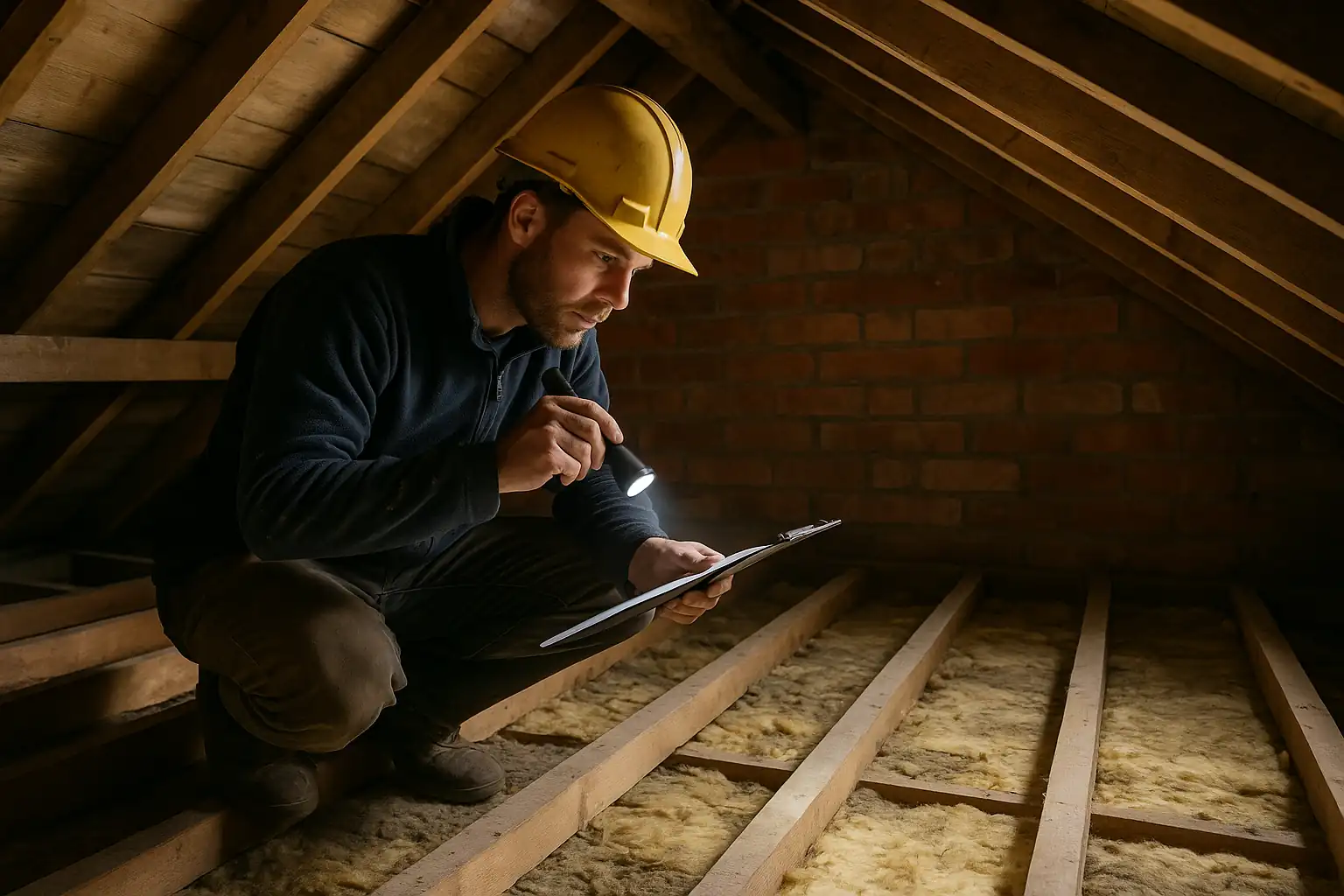
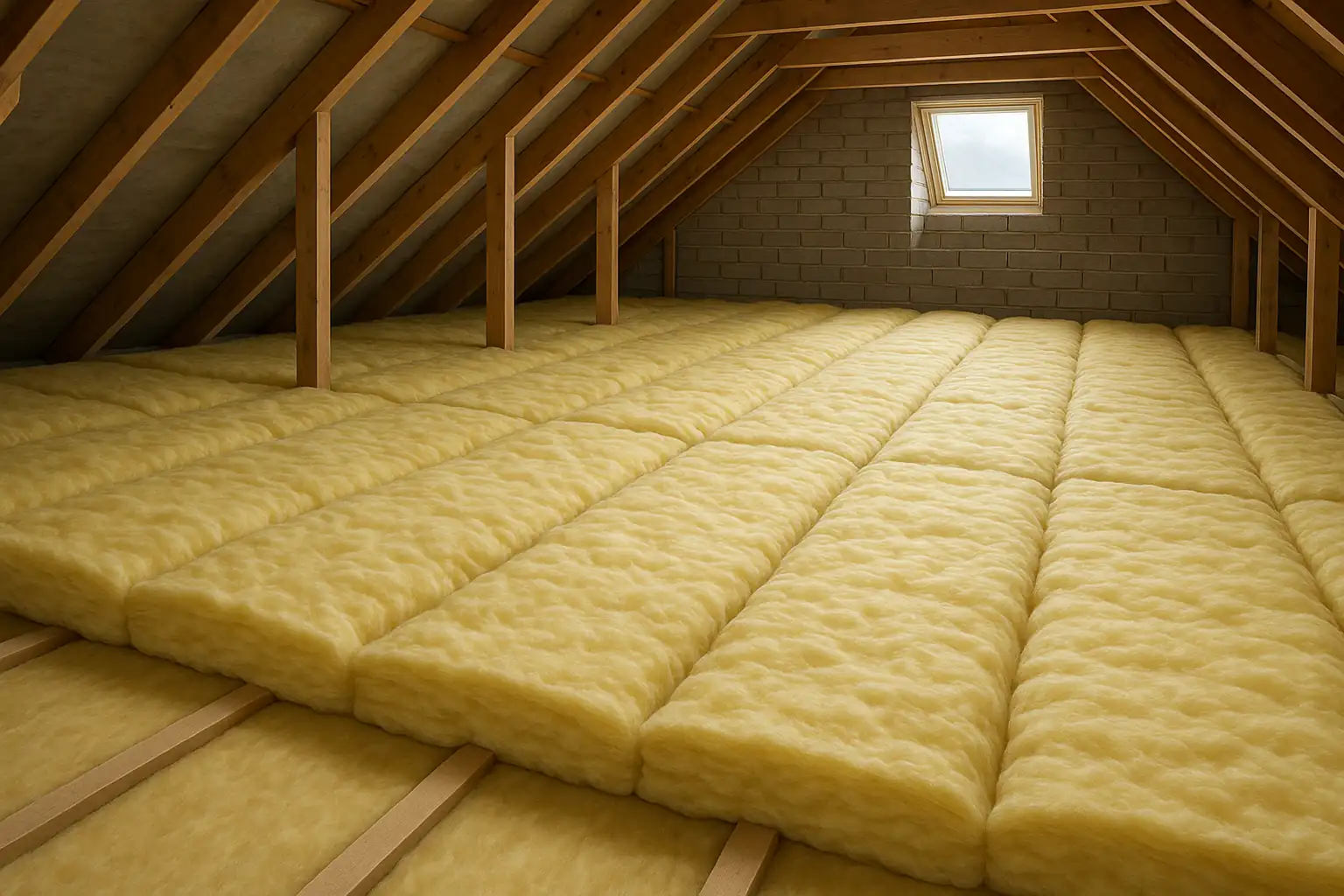
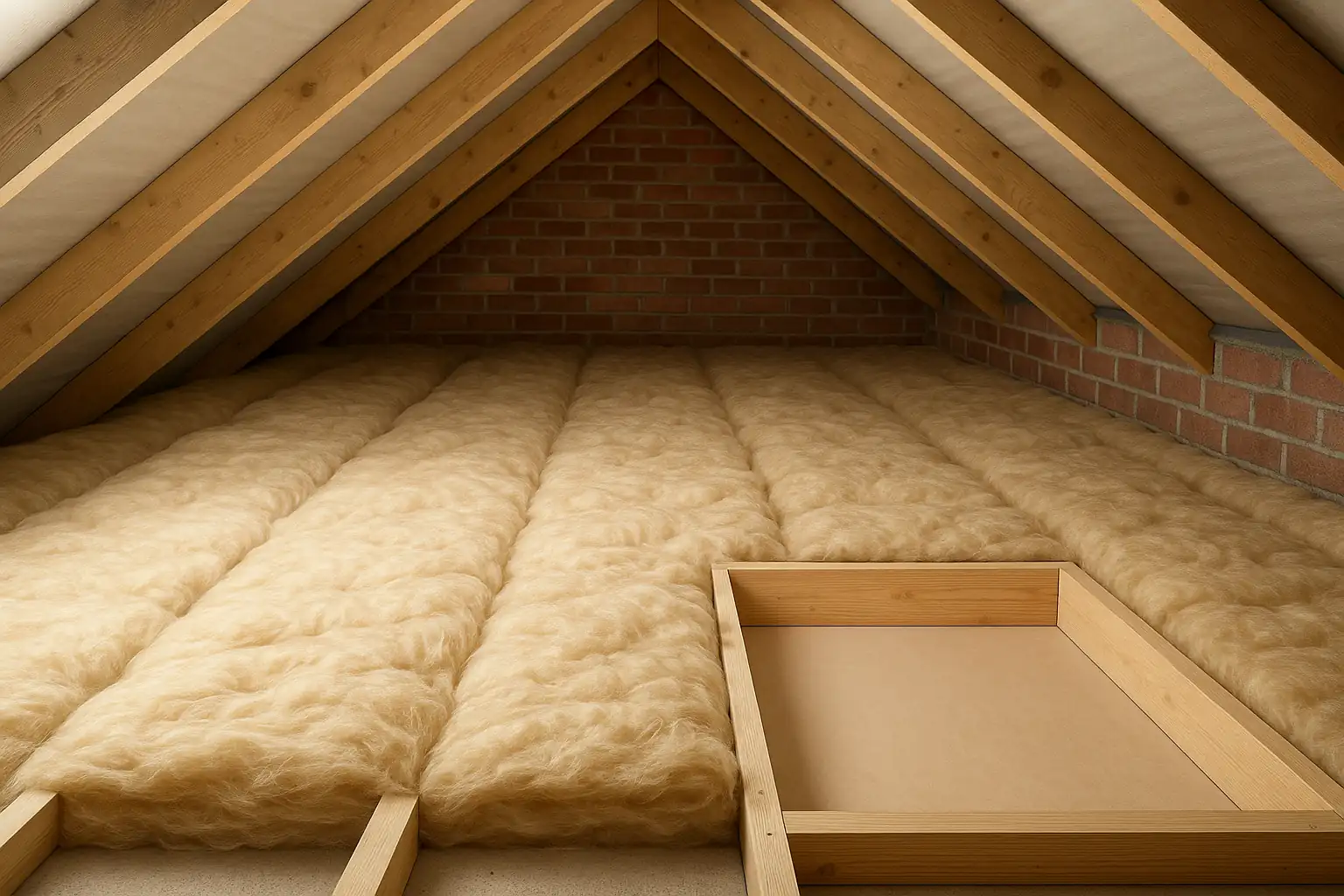
Fiberglass loft insulation can be a practical way to improve a cold or under-insulated roof space, but the result depends on more than simply adding rolls. We check the existing insulation, access, ventilation routes, storage use and thermal weak points before recommending a clear specification.
Available in covered postcodes. We confirm access, suitability and the right specification before any work is booked.
COVERAGE CHECKER
Enter your postcode to confirm availability in your area. If we cover your postcode, you can continue to the insulation project check.
Clear advice and straightforward next steps.
A structured process from the first step.
PROJECT CHECK
Enter your postcode first so we can confirm coverage and show the right next step.
Postcode
Covered? Your insulation project check continues next.
Calculator unavailable
This estimate tool could not be loaded. Try another service or contact us for a quote.
Loft insulation options
Select the product that best matches your home.
Not sure? Choose the closest option — we’ll confirm suitability before installation.
Loft floor area (m²)
Is the loft boarded?
How easy is the loft to access?
Roof windows or awkward sections?
Solar, battery, or electrical systems in the loft
No questions could be shown for this step. Use Back to change earlier answers, or contact us for a quote.
*
Fixed plan
Fixed plan price
For the current infestation, based on the property type selected.
*Applies to the current infestation while agreed treatment and recommended proofing steps are followed, reasonable access is available, and the service is used fairly.

The plan covers the current infestation while agreed treatment steps are followed, reasonable access is available, and the service is used fairly. If proofing or structural closure is needed to prevent re-entry, we will explain this clearly before quoting separately.
This type of work needs a quick review before we can provide a guide price.
Your guide range (ex VAT)
Clear advice, straightforward next steps, and no surprises.
Grade A mineral wool / rock wool
Dense mineral-fibre products used in lofts for thermal resistance, noise reduction, and fire performance. We confirm the right specification for your roof and ventilation setup.
Fibreglass loft insulation
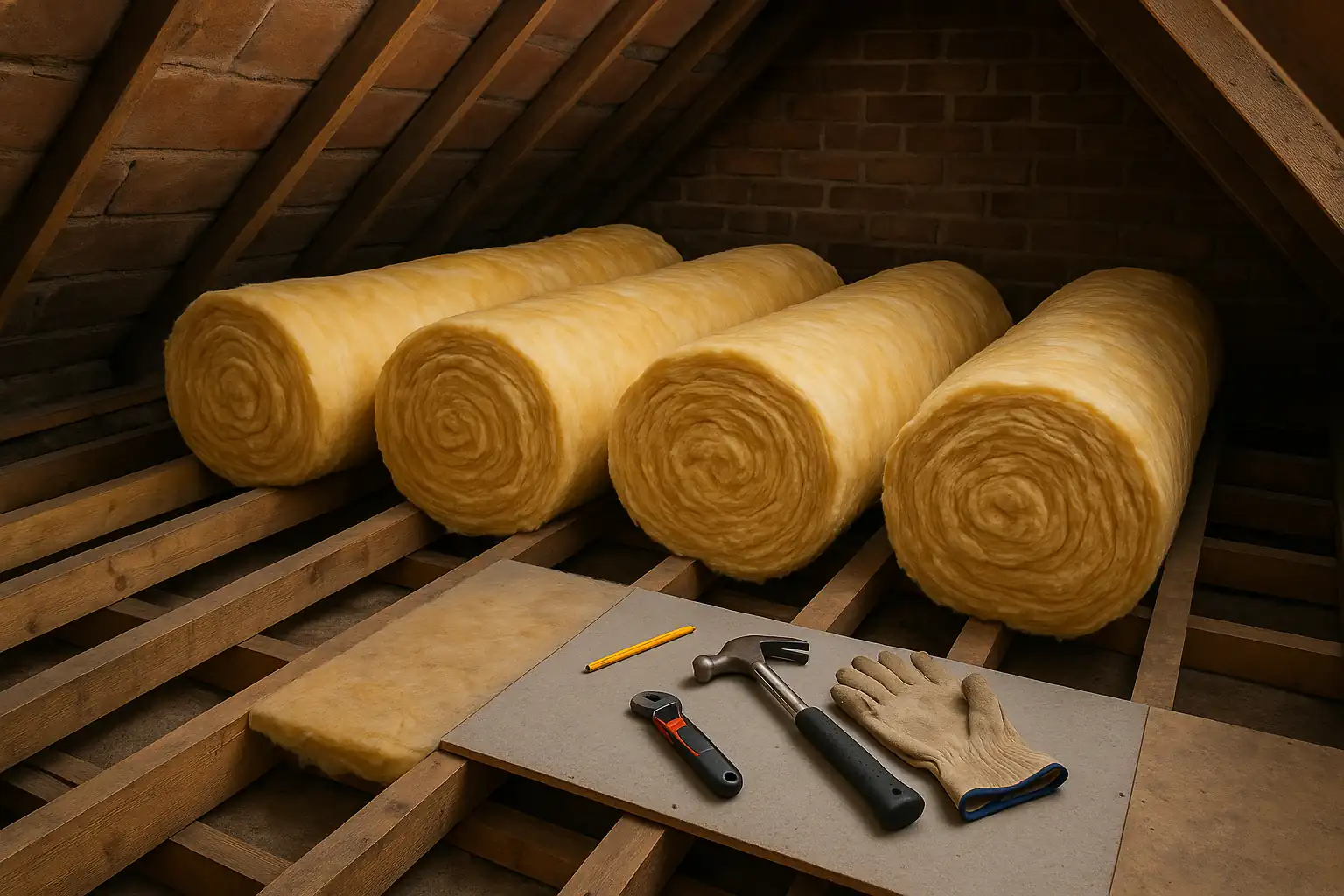
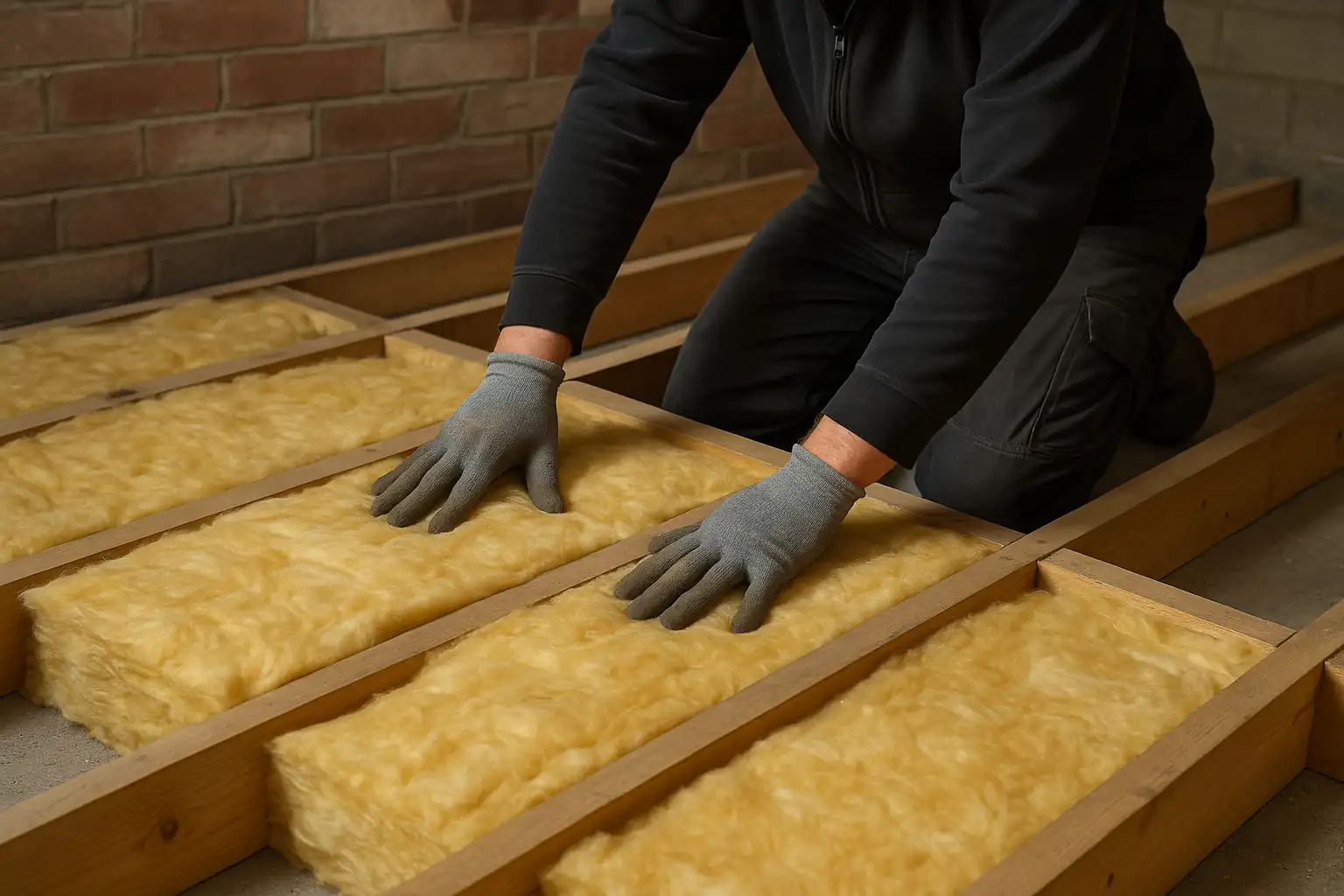
A widely used roll or batt solution for loft floors. Suited to straightforward upgrades where depth and coverage can be increased safely.
Sheep’s wool insulation
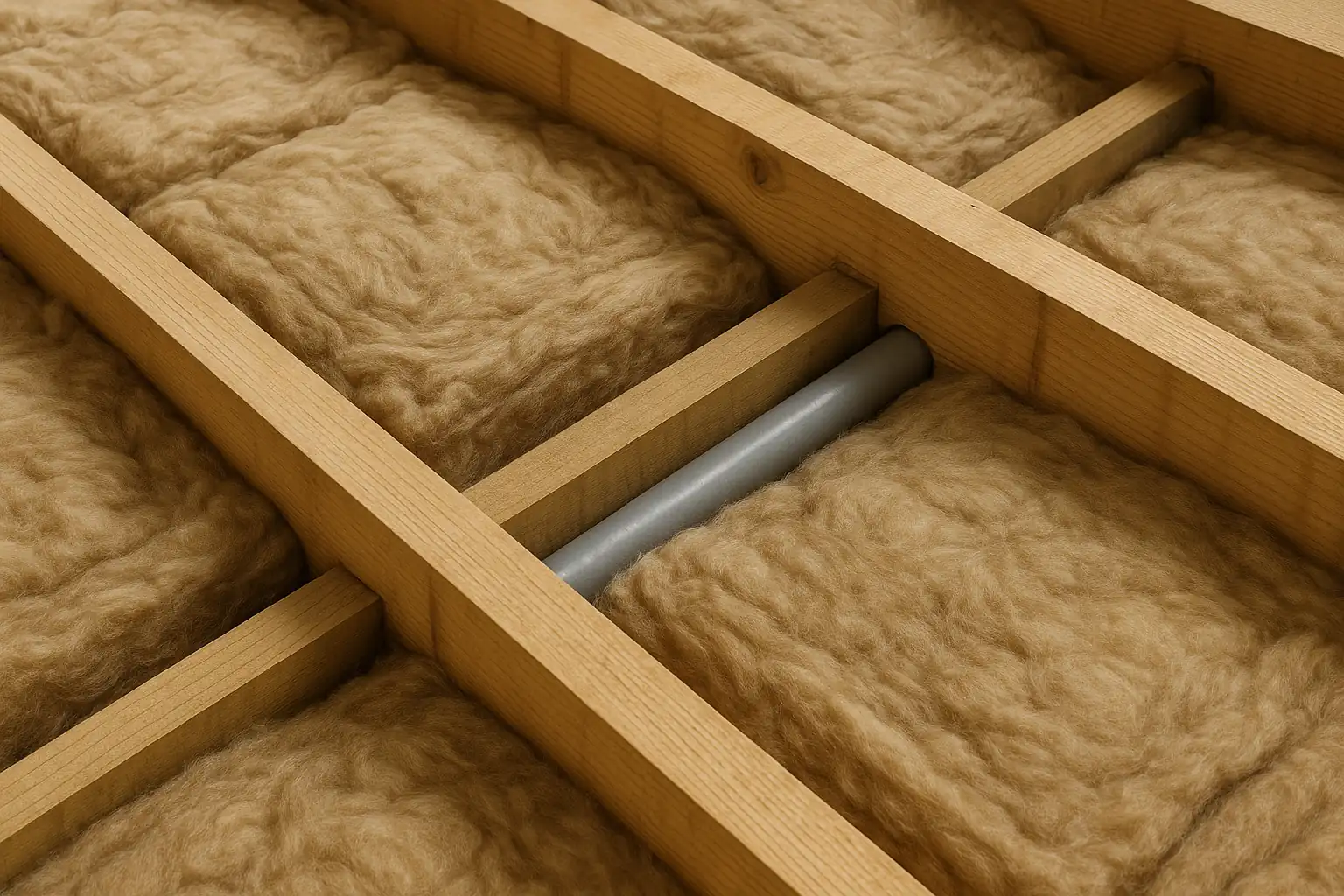
A natural fibre that can help moisture buffering in the loft. We confirm suitability with ventilation and breathable construction details on site.
Spray foam removal
Spray foam can affect surveys, mortgage lending, and roof ventilation. We review the situation, outline options, and agree next steps before any work is scheduled.
Save, email & visit request
Email my estimate
Save to My quotes
Next: create an account
Request a visit time
Choose a preferred date and time window. We’ll confirm availability before anything is booked.
We’ll review your preferred time and confirm the booking by email.
Choose a preferred date and time window. We’ll confirm availability before anything is booked.
House number or name and street address.
This type of work needs a quick review before we can provide a guide price.
Estimate ready
Based on the details provided, here is your estimated service plan and next step.
Clear advice, straightforward next steps, and no surprises.
A loft can look insulated while still losing heat through gaps, compressed material, exposed edges and poorly detailed junctions. Fiberglass insulation performs best when the loft is prepared and detailed properly, with airflow protected and insulation depth maintained across the right areas.
Many lofts have a mix of old quilt, DIY additions, disturbed sections, storage boards and exposed service routes. Adding more material without checking those details can leave the same cold spots in place, or create new problems around ventilation and moisture movement.
Our approach is to assess the roof space first, then specify the fiberglass insulation around the real conditions. That means looking at safe access, eaves airflow, loft hatch detailing, pipework, cables, downlights, tanks and any areas where insulation is likely to be damaged or compressed after installation.
When specified and installed correctly, fiberglass loft insulation can help reduce heat loss through the roof space and make rooms below feel more stable in use. It is a practical option for many accessible lofts, especially where the existing insulation is thin, uneven or has been disturbed over time.
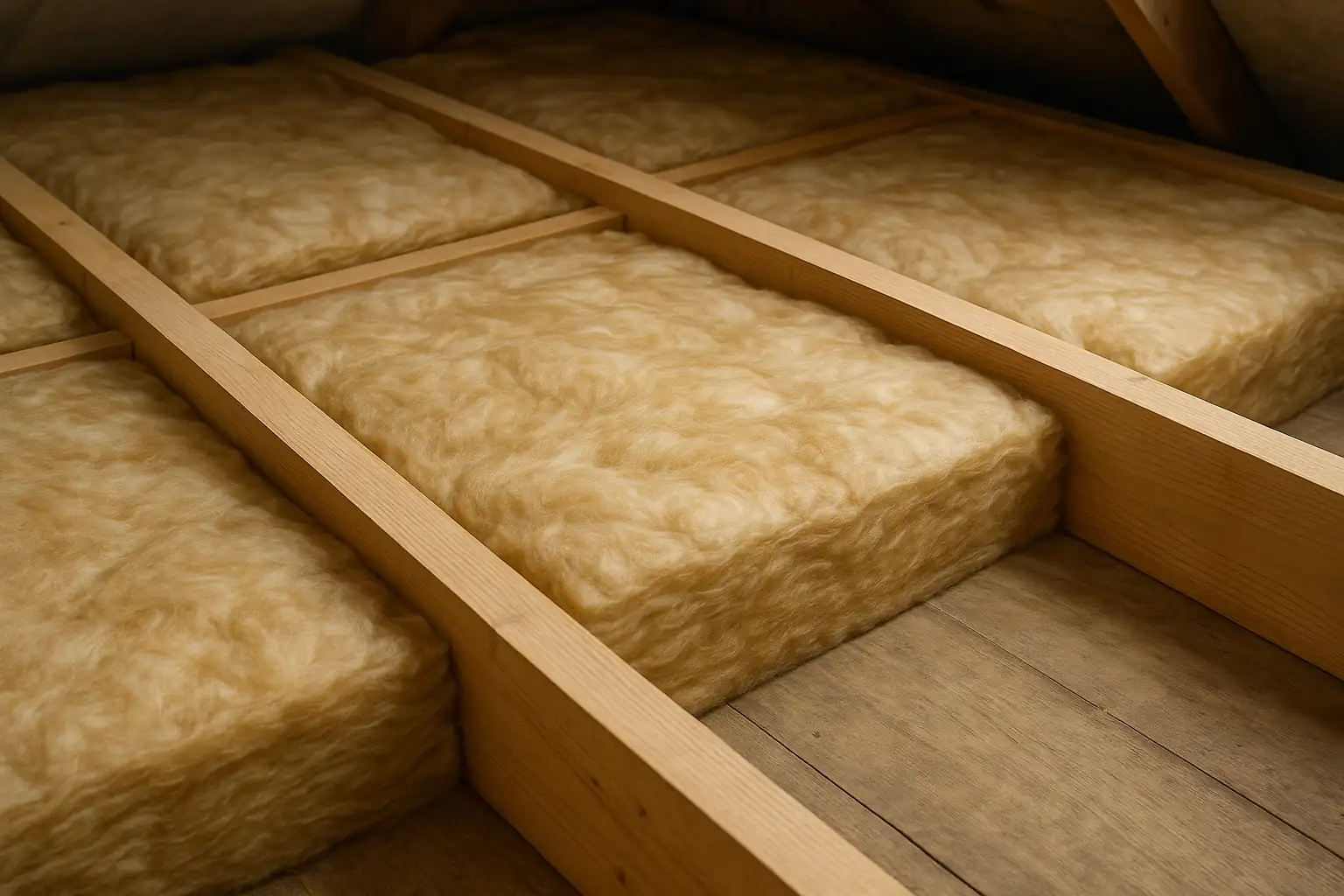
Better loft coverage can help rooms hold heat more consistently, especially where exposed joists, gaps or thin material have been allowing warmth to escape.
Fiberglass quilt can be a sensible option for straightforward loft floors where access, ventilation and storage requirements are clearly understood.
A survey-led specification focuses the budget on the areas that need attention rather than paying for a generic top-up that misses the real weak points.
Preparation, access routes and vulnerable details are planned before work starts, which helps avoid rushed decisions once materials are already in the loft.
Reducing avoidable heat loss through the loft can support lower energy demand, although actual savings depend on the property and how it is heated.
Aftercare guidance helps you avoid compressing insulation, blocking airflow or undoing the improvement with storage or later DIY work.
We keep the process simple for the customer but detailed behind the scenes. The aim is to understand the loft first, then give a clear recommendation and quote that reflects the real work required.
Fiberglass loft insulation can support better comfort and energy efficiency, but only when it is installed in the right place, to the right depth and around the right details. We avoid blanket savings claims and focus on what the property actually needs.
The best value often comes from fixing the obvious thermal weaknesses first: missing sections, compressed quilt, exposed edges, poor hatch detailing and areas where old insulation has been moved for storage or services.
The survey-led approach also helps avoid wasted spend. If ventilation, damp clues, access limitations or storage needs would affect the result, those issues are explained before you commit to the installation.
Fiberglass loft insulation is usually one of the most practical ways to improve an accessible roof space, but the real cost still depends on the loft rather than the roll itself. We check existing depth, access, storage use, ventilation routes, pipes, cables and any disturbed or compressed areas before giving a clear quote. That keeps the price tied to the work that will actually improve the property, not a generic square-metre promise.
For suitable accessible lofts where the existing area is ready for a straightforward fiberglass insulation installation. Final price depends on loft size, access, required depth and whether old material needs tidying or local correction.
We check access, existing insulation, ventilation, damp clues, stored items and thermal weak points before confirming the specification.
Patchy, compressed or badly disturbed material may need tidying, repositioning or partial removal before the new layer can perform properly.
Eaves, roof edges, pipes, cables and hatch areas are reviewed so insulation improves coverage without blocking airflow the loft still needs.
Hatch edges, safe access routes and working boards may need extra care so the installation remains practical and safe to use afterwards.
If the loft is used for storage, we explain how to avoid crushing the insulation and reducing the benefit of the work.
Where storage or a walkway is required, this is priced separately so the insulation depth is not compromised by boards laid directly on top.
Clearance is only priced where old insulation, debris or contamination would stop a clean installation from being completed properly.
You receive practical guidance on ventilation, storage, access and what to avoid after the fiberglass insulation has been installed.
Fiberglass Loft Insulation can work well in the right setting, but suitability depends on the roof space, existing insulation, access, ventilation and how the loft is used. We treat property type as a starting point, not a guarantee.
The process is designed to feel controlled from the first enquiry through to completion. We check the practical details early, explain what the property needs, and only then move into a clear quotation and installation plan.
A good insulation job is not just material rolled into a loft. It is the combination of access, preparation, specification, ventilation, workmanship and aftercare. That is why we build the service around the property rather than around a generic product list.
We confirm your postcode, the type of insulation service needed and the basic property details before arranging the next step.
The loft hatch, working space, stored items, safe routes and any restrictions are checked so the job can be planned properly.
We look at current insulation, gaps, compression, debris, damp clues, ventilation routes and any features that may affect the specification.
The recommended material, depth, preparation and finishing details are explained in plain language before a quote is prepared.
You receive a quote based on the agreed scope, not a vague estimate that ignores access, preparation or ventilation details.
The insulation service is completed to the planned scope, with care taken around edges, services, access routes and vulnerable details.
The finished area is reviewed so coverage, access points, ventilation zones and agreed details are checked before the job is closed.
We explain how to use the loft afterwards, what not to compress, and any further improvements or checks worth considering.
Clear answers before you request a quote, so you know what the survey is checking, why specification matters and what can affect the final scope.
No. Fiberglass can be a practical choice for many accessible loft floors, but suitability depends on access, current insulation, ventilation, moisture signs, storage use and the condition of the roof space. That is why we check the property before recommending it.
We can discuss the likely service route, but a proper quote should be based on the loft conditions. Depth, preparation, access, old insulation, tanks, downlights, pipework and storage can all change the scope.
Not always. Some lofts need a top-up over suitable existing material, while others need clearance or local removal first. We explain which applies after checking the condition and whether the old material is damp, damaged, contaminated or badly compressed.
Yes, ventilation is part of the check. Fiberglass insulation should not be pushed into areas where airflow is needed, and the quote should account for edge details that keep necessary ventilation routes clear.
Possibly, but storage needs planning. Heavy boxes or boards placed directly on insulation can compress it and reduce performance, so we will explain whether a raised storage solution or clear access route is needed.
Most loft insulation work is contained around the loft access, but disruption depends on access, stored items, preparation and the amount of material being installed. We explain any clearing or access requirements before booking.
It can help reduce avoidable heat loss where the property is suitable and the installation is detailed properly. Actual savings depend on the building, existing insulation, heating habits and other heat-loss routes.
Yes. We look for moisture clues and ventilation issues because adding insulation without understanding airflow can create avoidable problems in some properties.
The right depth depends on existing material, target improvement, access and current standards or recommendations at the time of survey. We explain the proposed specification instead of guessing from a distance.
Where a survey or quote is prepared, we outline the key findings, the recommended scope and any preparation or limitations that affect the job.
Yes, but it should be planned carefully. Boarding directly over insulation can compress it, so any storage or access route needs to be specified in a way that protects insulation depth.
The main factors are loft size, safe access, existing condition, insulation depth, preparation, ventilation details, storage needs and whether any old material requires removal or correction.
Tell us about the property and we will confirm whether Fiberglass Loft Insulation is the right route, what needs checking and what the next practical step should be. You will get a clear scope before work is booked, so the recommendation is based on the building rather than a generic product pitch.