F Y X W
Rodent Control

Squirrels in the Loft? Protect Your Property with the Right Approach

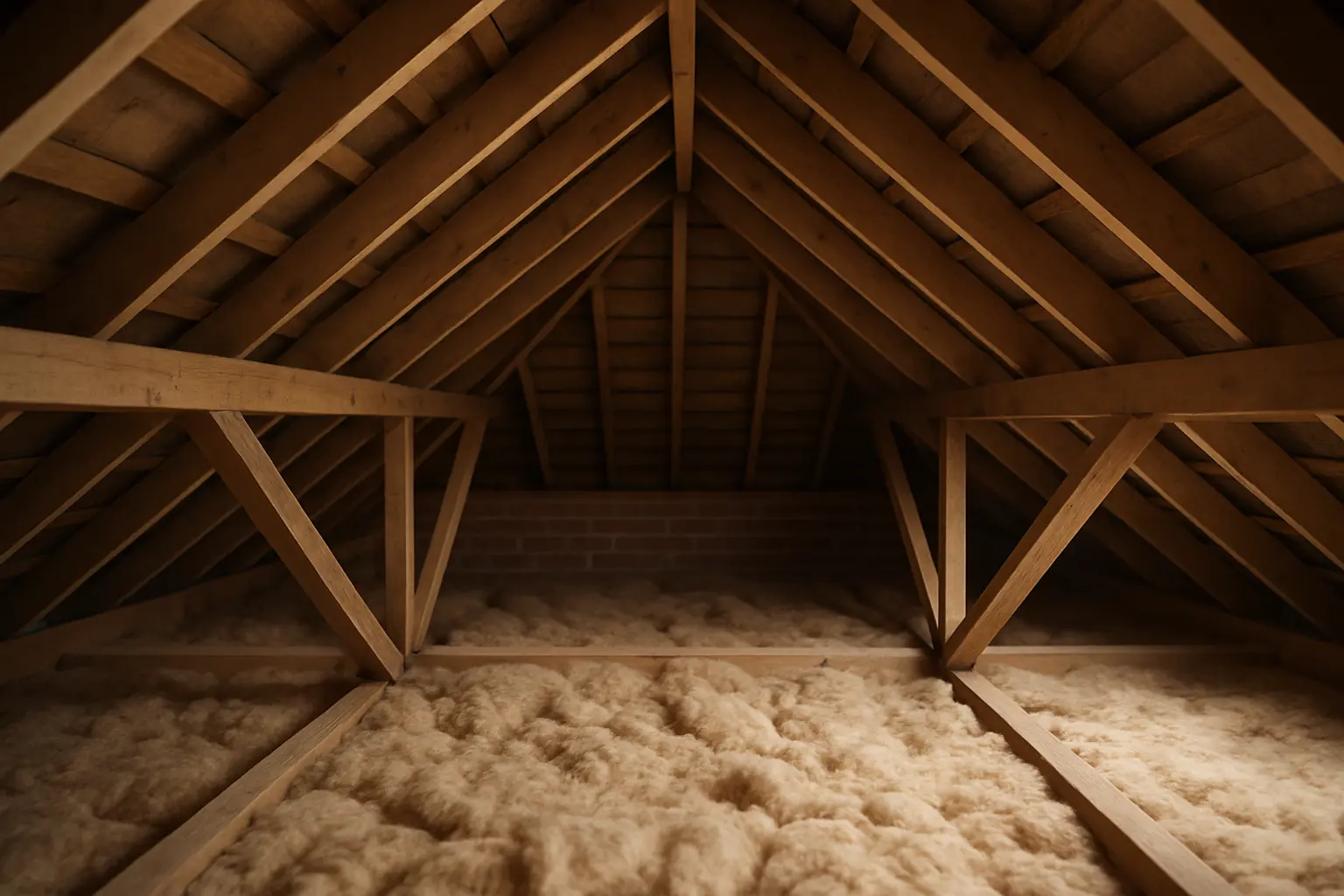
If you’re hearing consistent movement, particularly during the day in the loft, it may indicate squirrel activity. This can lead to damage over time, so early action is important. We assess the situation and carry out safe, effective removal.

From £249 =+ VAT i
Detailed loft and roof space assessment to understand access and damage Removal approach based on observed behaviour and entry points Advice on securing the property to help prevent re-entry

Covering selected UK areas

Coverage Checker

Check If We Cover Your Area

Enter your postcode to confirm whether this service is available in your area. If coverage is confirmed, you can move straight to booking or request a callback with clear next steps.

Premium UK property services
Professional workmanship and clear communication
Guaranteed work on qualifying services

Example: M33 2TB

×
Coverage unavailable
Why choose PCHI

We provide premium UK home improvement and property services built around clear recommendations, reliable workmanship, and a more professional customer experience from first enquiry through to completion.

Built on quality standards

Our focus is on doing the work properly - with practical advice, structured service delivery, and guaranteed workmanship on qualifying services where applicable.

Quick signs

Signs of squirrels

If you notice any of the signs below, there is likely already active squirrel activity within the loft or roof space.

1 Daytime noise

Loud movement, banging or scratching during the day often indicates squirrels in the loft.

2 Loft damage

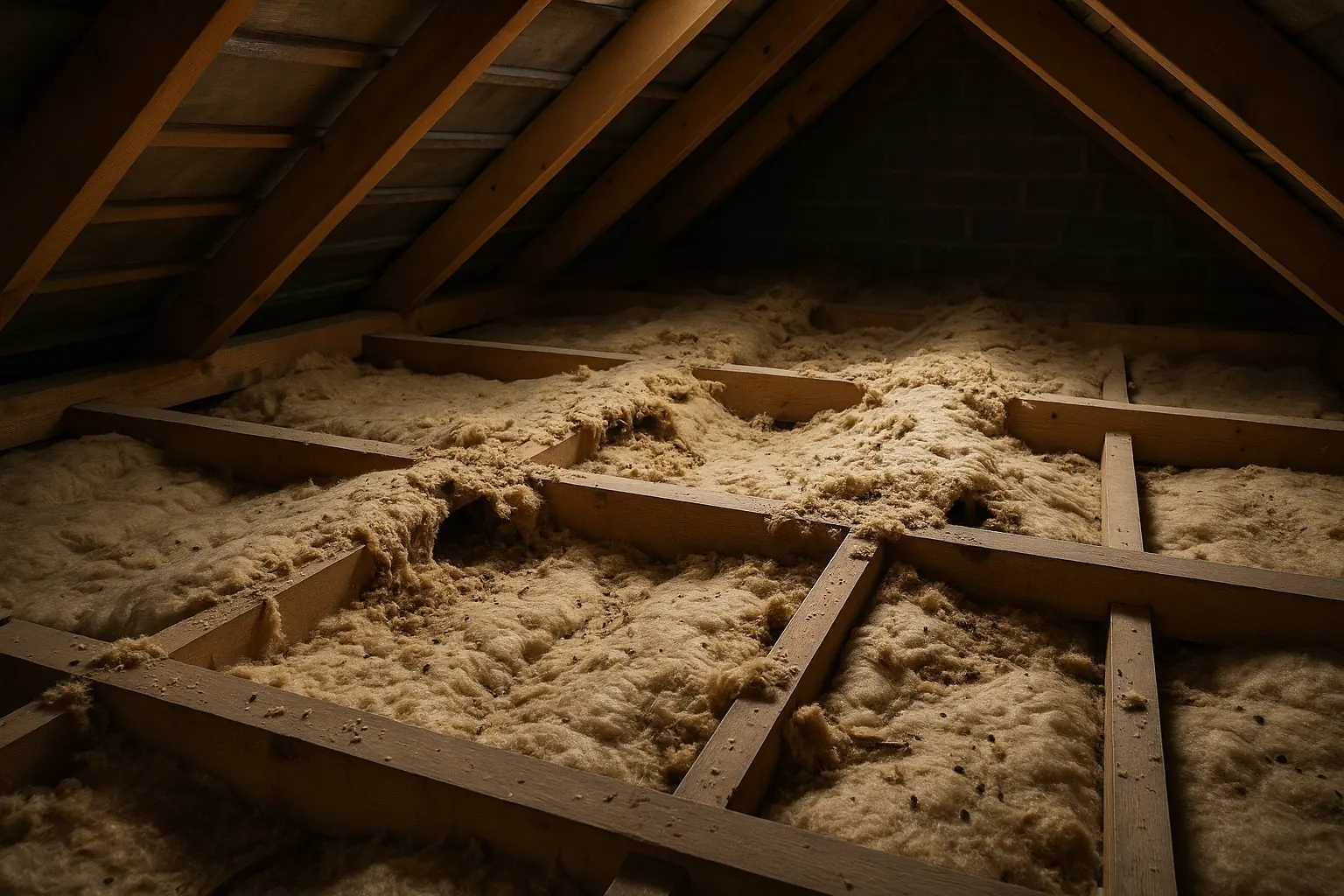
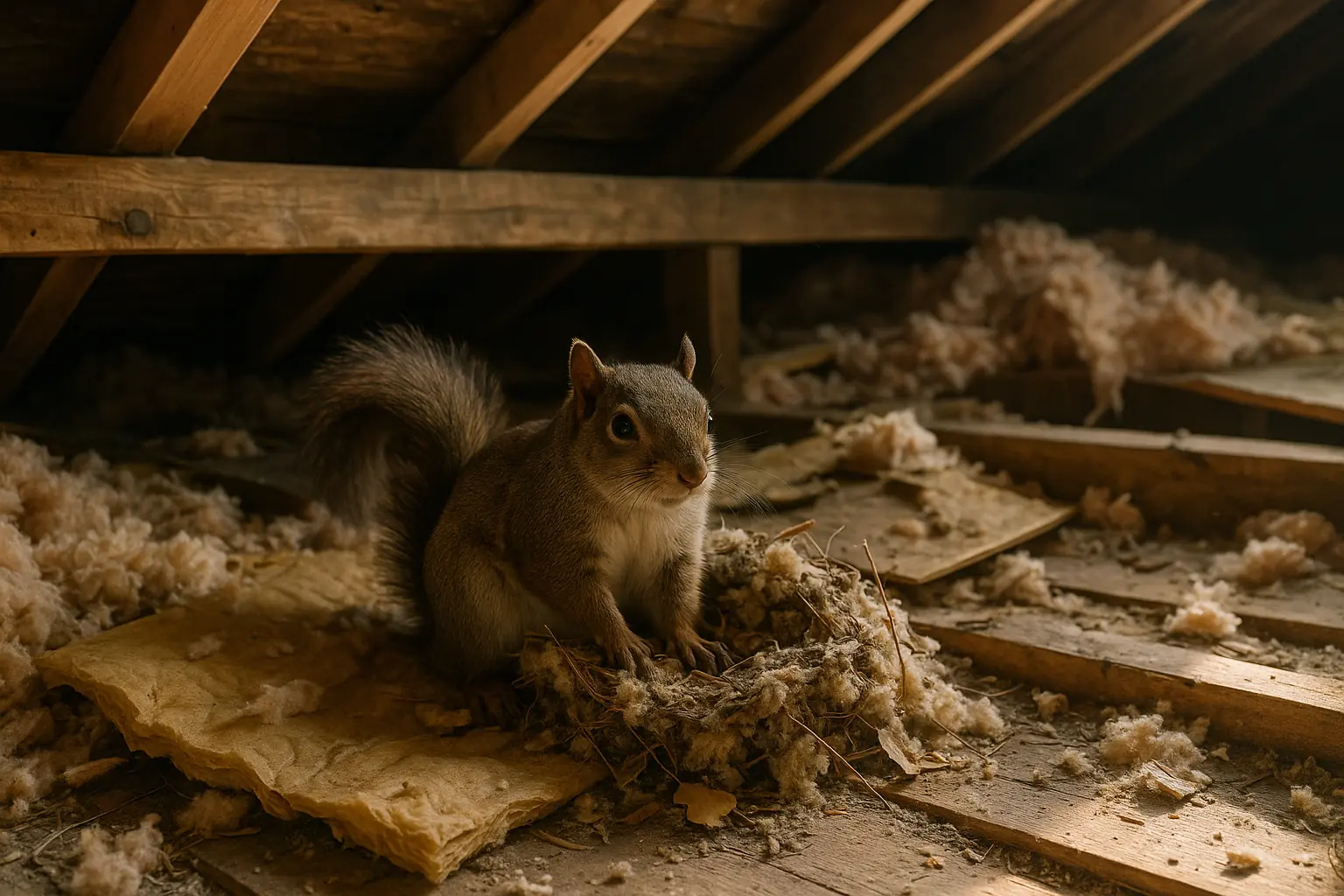
Damage to insulation, loft boards or stored items can indicate nesting and movement.

3 Nesting material

Visible nesting material or debris can suggest squirrels have settled within the roof space.

4 Roof entry damage

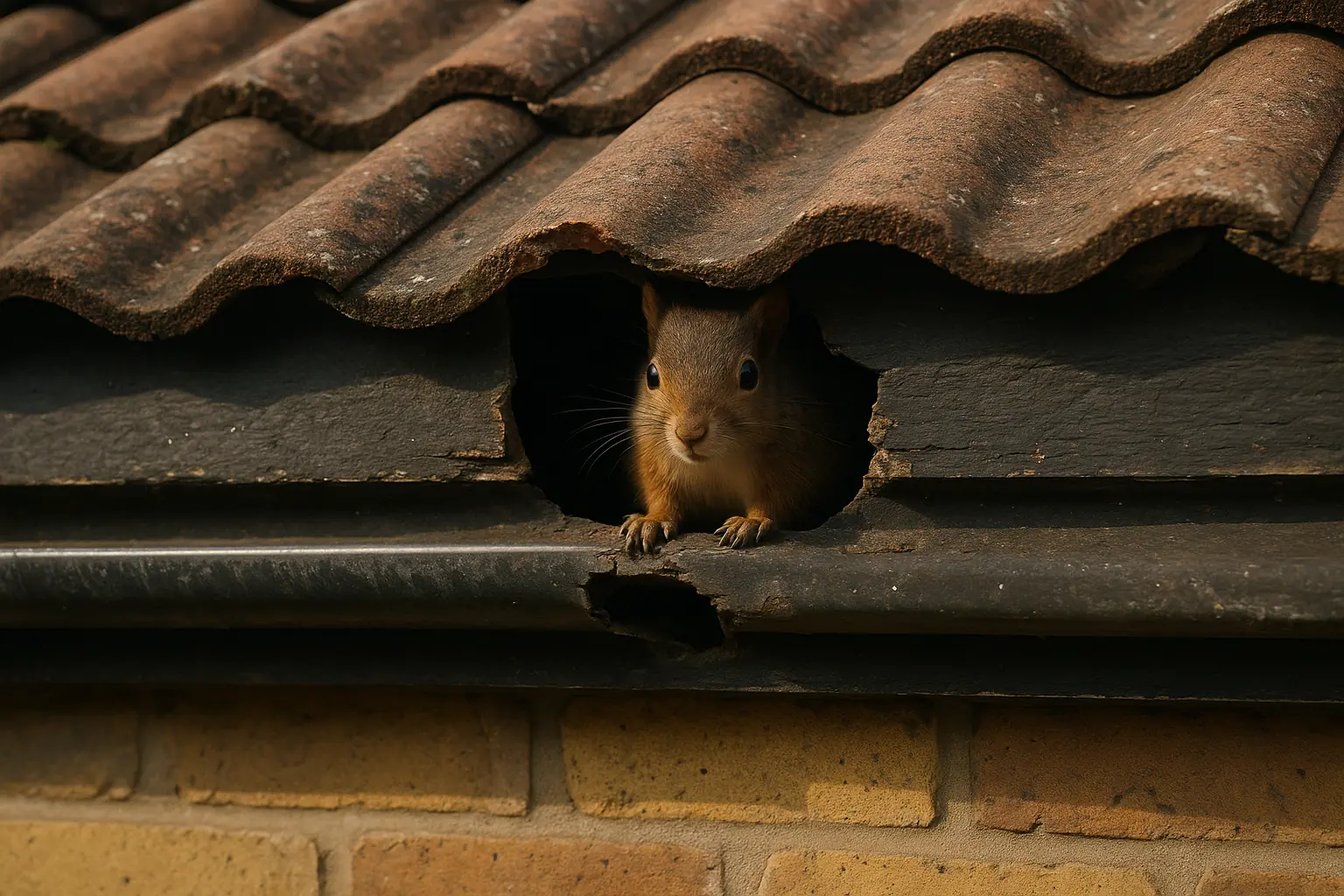
Damage around roof edges, vents or gaps can indicate where squirrels are getting in.

5 Structural damage

Chewed wiring or timbers can indicate ongoing activity and potential risk to the property.

6 Repeated activity

Increased daytime activity and repeated noise patterns often confirm squirrels rather than other pests.

Squirrel identification

Types of squirrels

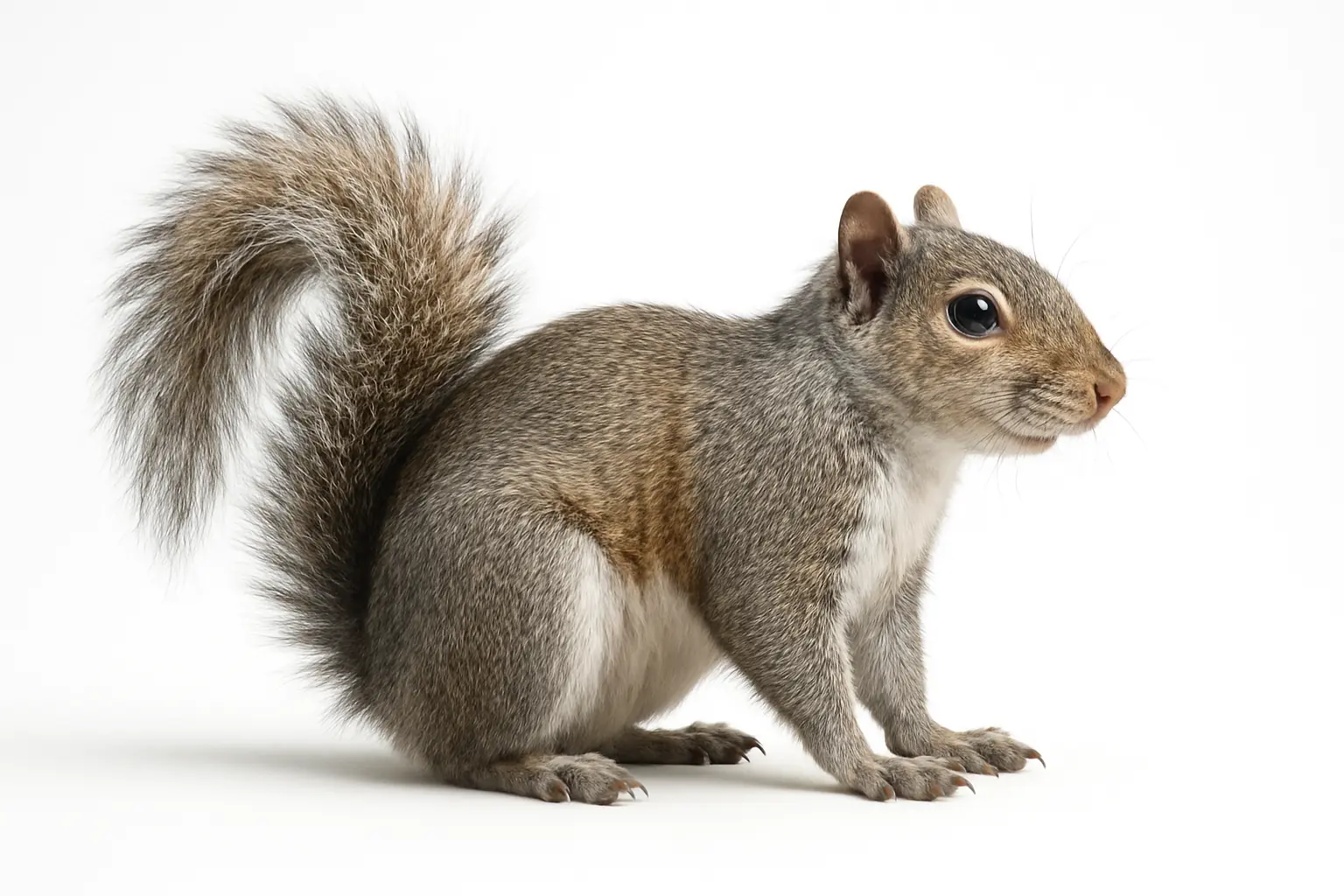
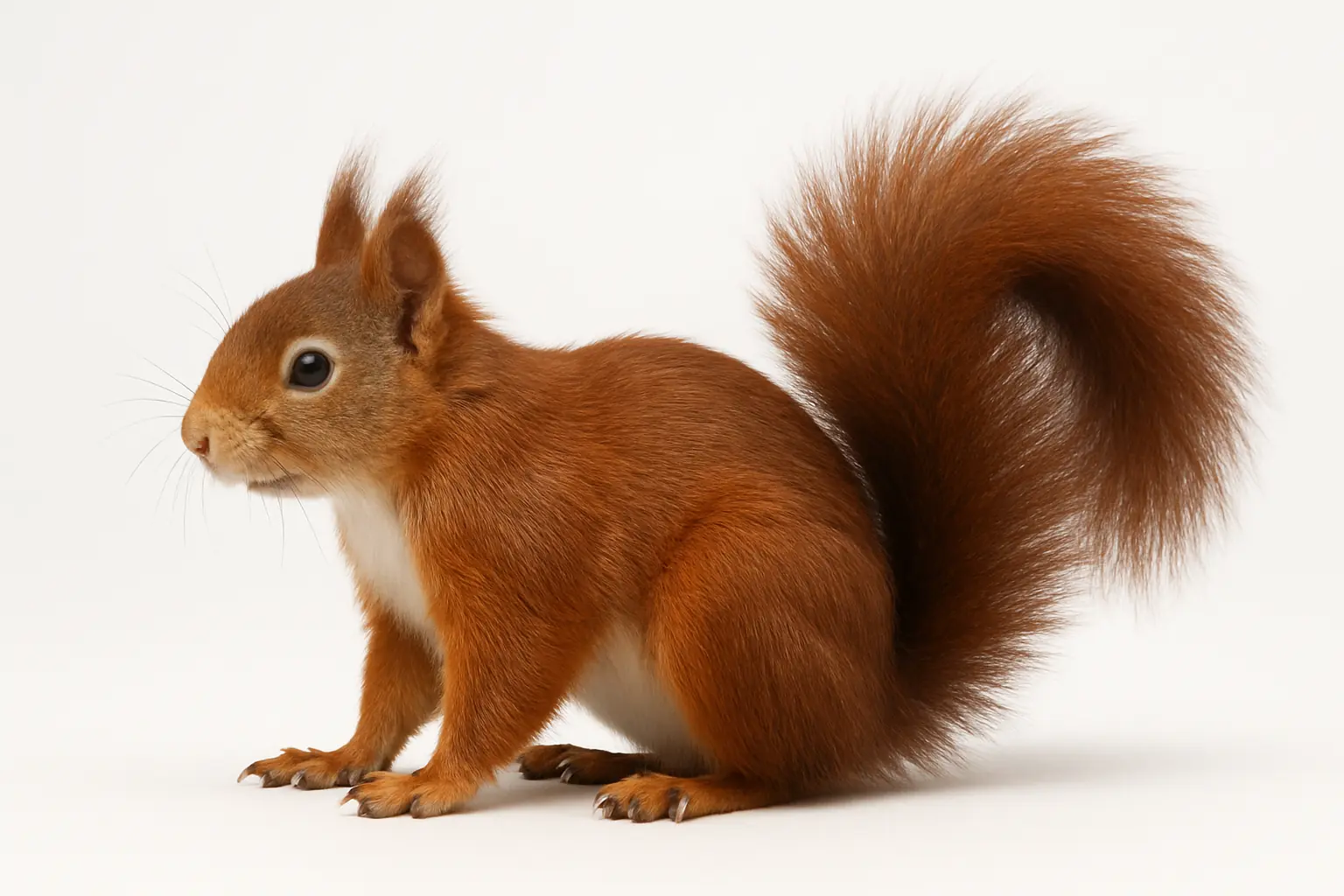
Correct identification is essential. Red squirrels are a protected species and cannot be treated or removed, so confirming the species ensures the appropriate and lawful approach is taken.

Grey squirrel side profile for identification

Grey squirrel

Latin name: Sciurus carolinensis
Common names: Grey squirrel

Identification

  • Medium-sized body with strong climbing ability
  • Easily accesses roofs via nearby trees, fences, or structures
  • Often nests within lofts, causing ongoing disturbance and damage

Health and property risks

  • Can cause structural damage to timber and roof areas
  • Chewing of wiring creates potential fire risk
  • Damages insulation and loft materials
Red squirrel side profile for identification

Red squirrel

Latin name: Sciurus vulgaris
Common names: Red squirrel

Identification

  • Smaller and more delicate in appearance
  • Typically found in woodland environments rather than homes
  • Rarely enters residential properties or loft spaces

Health and property risks

  • Legally protected under UK law
  • Control or removal is not permitted
  • Must not be disturbed or handled without proper authority
We focus on removing the infestation and showing you exactly what needs to be secured to stop squirrels returning.
Why the problem returns

Why squirrels return

Squirrel problems often return when access routes are left open. Identifying and securing these points is essential to protecting the property long-term.

Roof access points

Squirrels will often return to the same loft or roof space if access points remain open, even after removal has taken place.

Accessible rooflines

Nearby trees, gutters, and roof structures can provide easy routes back into the property if not properly addressed.

Sheltered nesting areas

Lofts provide warm, sheltered environments where squirrels can remain active and continue causing damage over time.

Surface-level removal

Removal without identifying how squirrels are entering the property often results in repeated activity shortly after.

Squirrel damage to loft insulation and wiring Loft damage example
Squirrel access point in roofline Roof entry example
Squirrel nest in loft space Nesting example
Key risk factors

Why squirrels come back

If access points are not identified and secured, squirrels are likely to return to the same area.

  • Entry points
  • Nesting areas
  • Structural damage
  • Roof access
  • Gaps in roofline
  • Damaged vents
Inspection

What our squirrel removal inspection includes

We assess how squirrels are accessing the property, where they are active and what damage may already have occurred within the loft or roof space.

icon
Activity assessment

We assess activity levels, noise patterns, nesting behaviour and likely movement routes within the loft or roof structure.

icon
Entry points

We identify roofline gaps, broken vents, lifted tiles and other access points squirrels may be using to enter the property.

icon
Risk factors

We assess damage to insulation, timbers, wiring and surrounding loft materials caused by ongoing squirrel activity.

icon
Recommendations

We provide clear guidance on safe removal, securing access points and reducing the risk of squirrels returning.

Squirrel inspection showing loft damage and roof access points Inspection helps identify how squirrels are entering the roof space and what needs securing after removal.
WHY IT MATTERS

Access points must be secured after removal

If the roofline access remains open, squirrels can return to the same loft space. Inspection helps identify the exact areas that need attention.

Treatment

Squirrel removal approach

Squirrel activity in lofts can escalate quickly. The process focuses on identifying how they are accessing the property, removing them safely, and helping prevent further entry.

Treatment summary

This process removes the infestation while helping prevent further damage to the roof or loft space.

  • Safe and controlled removal
  • Protection of the structure
  • Prevention of re-entry
1
Inspection and assessment

We assess where squirrels are active, how they are accessing the loft, and any visible damage to insulation, wiring, or roof structures.

2
Identifying contributing factors

We identify access points such as roof gaps, vents, and structural weaknesses that are allowing entry into the property.

3
Structured removal plan

A structured removal approach is carried out using the most appropriate and safe method for the situation.

4
Follow-up and next steps

Activity is brought under control and guidance is provided on securing access points to help prevent squirrels returning.

Pricing

Squirrel Removal Costs

This service includes assessing access points, carrying out safe removal, and helping protect the property from further damage.

Complete removal service

£249

Full loft and roof assessment with removal

Completion support

Included

Follow-up support included where required to ensure the issue is properly resolved

Optional works

Quoted

Repair or proofing work is only required in some cases and will be quoted separately if needed

How it works

Process overview

Once booked, we assess the loft and roof structure to understand how squirrels are accessing the property, carry out safe removal, and help protect against further damage.

1

Book your appointment

Choose a suitable time and book your appointment. Squirrel activity can escalate quickly, so addressing it early helps limit potential damage to the property.

2

Understand the problem

We carry out a detailed assessment of the loft and roof space, identifying access points, nesting areas, and any damage already caused. This allows us to plan the correct approach.

3

Carry out removal

We carry out safe and effective removal based on how the squirrels are accessing and using the space. The method used is tailored to the specific situation.

4

Bring the issue under control

We ensure the activity is under control and explain clearly what has been done, along with any immediate steps required to protect the property.

5

Prevent recurrence

We provide guidance or carry out follow-up work to secure access points and reduce the likelihood of squirrels returning in the future.

Every property is different, so the approach is based on actual findings rather than assumptions or generic treatments.
Helpful information

FAQs

Clear answers so you know exactly what to expect before booking.

How quickly can you attend?

If you are dealing with squirrels right now, we will prioritise getting an inspection booked in as quickly as possible based on your location and availability.

Will one visit solve the problem?

Squirrel infestations often require more than one visit because they can access roof spaces easily and move through loft areas quickly.

Is the treatment safe?

Yes, work is carried out safely and professionally, with clear guidance on what is being done, why it is required and what to expect at each stage.

Do you provide proofing advice?

Yes, we identify how squirrels are getting into the roof and explain what needs to be secured to reduce the chance of them returning.

What affects the cost?

The cost depends on how severe the infestation is, how accessible the roof or loft space is and whether follow-up or proofing work is required.

Do squirrels come back?

Squirrels will return if roof access points are not secured properly, which is why identifying and fixing entry points is critical.

Take the next step

Protect your property from ongoing squirrel damage

If you are dealing with squirrels in your loft or roof space, the next step is a quick booking or enquiry so we can assess the situation, confirm availability and explain what is required to remove them properly.

Inspection of loft and roof access points Removal plan based on actual activity and damage Clear advice to secure the property properly
Book Now Check Coverage Contact Us
Serving selected UK areas. Availability depends on location, access and severity of infestation.